LEADER 01852naaa22200301 a04500
001 600064
003 TR_AnAIT
005 20250627133402
006 a||||e |||| 001 0
007 ta
008 220323s2017 xxu||||e |||| 001 0 eng c
020 |a9781785334320|q(hardback : alk. paper)
040 |aTTK
041 |aeng
049 |aTürk Tarih Kurumu Kütüphanesi
090 |aA.IX/3508
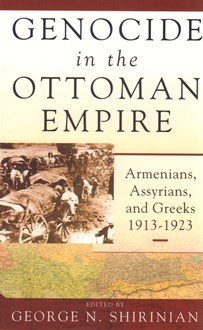
245 00|aGenocide in the Ottoman Empire :|bArmenians, Assyrians, and Greeks, 1913-1923 /|cedited by George N. Shirinian.
260 |aNew York ;|aOxford :|bBerghahn Books,|c2017.
300 |aix, 433 sayfa ;|c24 cm
500 |aİndeks s. [427]-433.
504 |aBibliyografya makale sonlarındadır.
520 |a“The final years of the Ottoman Empire were catastrophic ones for its non-Turkish, non-Muslim minorities. From 1913 to 1923, its rulers deported, killed, or otherwise persecuted staggering numbers of citizens in an attempt to preserve “Turkey for the Turks,“ setting a modern precedent for how a regime can commit genocide in pursuit of political ends while largely escaping accountability. While this brutal history is most widely known in the case of the Armenian genocide, few appreciate the extent to which the Empire's Assyrian and Greek subjects suffered and died under similar policies. This definitive volume is the first to comprehensively examine the genocides of the Armenians, Assyrians, and Greeks in comparative fashion, analyzing the similarities and differences among them and giving crucial context to present-day calls for recognition.“ --|cYayıncı.
650 4|aErmeniler|zTürkiye|xTarih|y20. yy.
650 4|aSüryaniler|zTürkiye|xTarih|y20. yy.
650 4|aRumlar|zTürkiye|xTarih|y20. yy.
651 4|aTürkiye|xYönetim ve politikalar|y20. yy.
700 1 |aShirinian, George,|d1949-|eeditör.