

The invention of Byzantium in early modern Europe / edited by Nathanael Aschenbrenner and Jake Ransohoff.
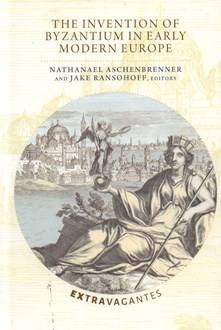
Yer Numarası
A.IX/3534
ISBN
9780884024842 (hardcover)
Dil Kodu
İngilizce
Kütüphane
Türk Tarih Kurumu Kütüphanesi
Yayın Bilgisi
Washington, DC : Dumbarton Oaks Research Library and Collection, ©2021.
Fiziksel Niteleme
xviii, 457 sayfa : resim (renkli), harita, şema, tıpkıbasım ; 24 cm.
Dizi
Extravagantes
Genel Not
İndeks s. 435-457.
Bibliyografi, vb. Notu
Bibliyografik bilgi içerir.
İçindekiler Notu
Introduction : The invention of Byzantium in early modern Europe / Nathanael Aschenbrenner and Jake Ransohoff -- Greek identity and ideas of decline in fifteenth-century Byzantium : Gemistos Pletho and Bessarion / Fabio Pagani -- Making the Roman past(s) come alive : Manuel Chrysoloras, Cyriac of Ancona, and Andrea Mantegna's Triumphs of Caesar / Elena Boeck -- Western humanists and Byzantine historians / Anthony Grafton -- Martin Crusius's lost Byzantine legacy / Richard Calis -- Editing, lexicography, and history under Louis XIV : Charles Du Cange and La byzantine du Louvre / Teresa Shawcross -- The eighteenth-century reinvention of Du Cange as the French nation's historian / Teresa Shawcross -- Performing Byzantium in early modern theater / Przemysław Marciniak -- The lexicography of Byzantine Greek - from Anna Notaras to Johannes Meursius / John Considine -- Erudition, documentation, and organization in the making of early modern Byzantine studies : the case of Martin Hanke's De Byzantinarum rerum scriptoribus Graecis liber (1677) / William North -- Montfaucon's Byzantium / Shane Bobrycki -- Hagiography, erudition, and the emergence of Byzantinisme (sixteenth-nineteenth centuries) / Xavier Lequeux ; translated by Nathanael Aschenbrenner and Jake Ransohoff -- From the rise of Constantine to the fall of Constantinople : defining Byzantium and the “Middle Age“ in early modern scholarship / Frederic Clark -- From “empire of the Greeks“ to “Byzantium“ : the politics of a modern paradigm shift / Anthony Kaldellis -- Conclusion : Byzance avant Byzance : toward a new history of Byzantine scholarship / Nathanael Aschenbrenner and Jake Ransohoff.
Özet, vb.
“A gulf of centuries separates the “Byzantine Empire“ from the academic field of “Byzantine studies.“ This book offers a new approach to the history of Byzantine scholarship, focusing on the attraction that Byzantium held for Early Modern Europeans and challenging the stereotype that they dismissed the Byzantine Empire as an object of contempt. The authors in this book focus on how and why the Byzantine past was used in Early Modern Europe: to diagnose cultural decline, to excavate the beliefs and practices of early Christians, to defend absolutism or denounce tyranny, and to write strategic ethnography against the Ottomans. By tracing Byzantium's profound impact on everything from politics to painting, this book shows that the empire and its legacy remained relevant to generations of Western writers, artists, statesmen, and intellectuals as they grappled with the most pressing issues of their day. Refuting reductive narratives of absence or progress, this book shows how “Byzantium“ underwent multiple overlapping and often discordant reinventions before the institutionalization of “Byzantine studies“ as an academic discipline. As this book suggests, it was precisely Byzantium's ambiguity-as both Greek and Roman, ancient and medieval, familiar and foreign-that made it such a vibrant and vital part of the Early Modern European imagination.“ -- Yayıncı.
Konu
Emeği Geçenler
Aschenbrenner, Nathanael, 1978- editör.
Ransohoff, Jake, 1989- editör.
Ransohoff, Jake, 1989- editör.
Eseri Alıntıla
Referansları kullanmadan önce gözden geçirmeniz ve varsa gerekli düzeltmeleri yapmanız önerilir.
Dijital Kaynak
MARC Görünümü
LEADER 04262naaa22200337 a04500
001 600123
003 TR_AnAIT
005 20250627133107
006 aob||e |||| 001 0
007 ta
008 220329s2021 wauob||e |||| 001 0 eng c
020 |a9780884024842|q(hardcover)
040 |aTTK
041 |aeng
049 |aTürk Tarih Kurumu Kütüphanesi
090 |aA.IX/3534
245 04|aThe invention of Byzantium in early modern Europe /|cedited by Nathanael Aschenbrenner and Jake Ransohoff.
260 |aWashington, DC :|bDumbarton Oaks Research Library and Collection,|c©2021.
300 |axviii, 457 sayfa :|bresim (renkli), harita, şema, tıpkıbasım ;|c24 cm.
490 0 |aExtravagantes
500 |aİndeks s. 435-457.
504 |aBibliyografik bilgi içerir.
505 |tIntroduction : The invention of Byzantium in early modern Europe /|rNathanael Aschenbrenner and Jake Ransohoff --|tGreek identity and ideas of decline in fifteenth-century Byzantium : Gemistos Pletho and Bessarion /|rFabio Pagani --|tMaking the Roman past(s) come alive : Manuel Chrysoloras, Cyriac of Ancona, and Andrea Mantegna's Triumphs of Caesar /|rElena Boeck --|tWestern humanists and Byzantine historians /|rAnthony Grafton --|tMartin Crusius's lost Byzantine legacy /|rRichard Calis --|tEditing, lexicography, and history under Louis XIV : Charles Du Cange and La byzantine du Louvre /|rTeresa Shawcross --|tThe eighteenth-century reinvention of Du Cange as the French nation's historian /|rTeresa Shawcross --|tPerforming Byzantium in early modern theater /|rPrzemysław Marciniak --|tThe lexicography of Byzantine Greek - from Anna Notaras to Johannes Meursius /|rJohn Considine --|tErudition, documentation, and organization in the making of early modern Byzantine studies : the case of Martin Hanke's De Byzantinarum rerum scriptoribus Graecis liber (1677) /|rWilliam North --|tMontfaucon's Byzantium /|rShane Bobrycki --|tHagiography, erudition, and the emergence of Byzantinisme (sixteenth-nineteenth centuries) /|rXavier Lequeux ; translated by Nathanael Aschenbrenner and Jake Ransohoff --|tFrom the rise of Constantine to the fall of Constantinople : defining Byzantium and the “Middle Age“ in early modern scholarship /|rFrederic Clark --|tFrom “empire of the Greeks“ to “Byzantium“ : the politics of a modern paradigm shift /|rAnthony Kaldellis --|tConclusion : Byzance avant Byzance : toward a new history of Byzantine scholarship /|rNathanael Aschenbrenner and Jake Ransohoff.
520 |a“A gulf of centuries separates the “Byzantine Empire“ from the academic field of “Byzantine studies.“ This book offers a new approach to the history of Byzantine scholarship, focusing on the attraction that Byzantium held for Early Modern Europeans and challenging the stereotype that they dismissed the Byzantine Empire as an object of contempt. The authors in this book focus on how and why the Byzantine past was used in Early Modern Europe: to diagnose cultural decline, to excavate the beliefs and practices of early Christians, to defend absolutism or denounce tyranny, and to write strategic ethnography against the Ottomans. By tracing Byzantium's profound impact on everything from politics to painting, this book shows that the empire and its legacy remained relevant to generations of Western writers, artists, statesmen, and intellectuals as they grappled with the most pressing issues of their day. Refuting reductive narratives of absence or progress, this book shows how “Byzantium“ underwent multiple overlapping and often discordant reinventions before the institutionalization of “Byzantine studies“ as an academic discipline. As this book suggests, it was precisely Byzantium's ambiguity-as both Greek and Roman, ancient and medieval, familiar and foreign-that made it such a vibrant and vital part of the Early Modern European imagination.“ --|cYayıncı.
651 4|aBizans İmparatorluğu|xTarih|vKaynaklar.
651 4|aBizans İmparatorluğu|xMedeniyet.
651 4|aBizans İmparatorluğu|xTarih yazıcılığı.
651 4|aBizans İmparatorluğu|xÖğretim|zAvrupa|xTarih.
700 1 |aAschenbrenner, Nathanael,|d1978-|eeditör.
700 1 |aRansohoff, Jake,|d1989-|eeditör.
001 600123
003 TR_AnAIT
005 20250627133107
006 aob||e |||| 001 0
007 ta
008 220329s2021 wauob||e |||| 001 0 eng c
020 |a9780884024842|q(hardcover)
040 |aTTK
041 |aeng
049 |aTürk Tarih Kurumu Kütüphanesi
090 |aA.IX/3534
245 04|aThe invention of Byzantium in early modern Europe /|cedited by Nathanael Aschenbrenner and Jake Ransohoff.
260 |aWashington, DC :|bDumbarton Oaks Research Library and Collection,|c©2021.
300 |axviii, 457 sayfa :|bresim (renkli), harita, şema, tıpkıbasım ;|c24 cm.
490 0 |aExtravagantes
500 |aİndeks s. 435-457.
504 |aBibliyografik bilgi içerir.
505 |tIntroduction : The invention of Byzantium in early modern Europe /|rNathanael Aschenbrenner and Jake Ransohoff --|tGreek identity and ideas of decline in fifteenth-century Byzantium : Gemistos Pletho and Bessarion /|rFabio Pagani --|tMaking the Roman past(s) come alive : Manuel Chrysoloras, Cyriac of Ancona, and Andrea Mantegna's Triumphs of Caesar /|rElena Boeck --|tWestern humanists and Byzantine historians /|rAnthony Grafton --|tMartin Crusius's lost Byzantine legacy /|rRichard Calis --|tEditing, lexicography, and history under Louis XIV : Charles Du Cange and La byzantine du Louvre /|rTeresa Shawcross --|tThe eighteenth-century reinvention of Du Cange as the French nation's historian /|rTeresa Shawcross --|tPerforming Byzantium in early modern theater /|rPrzemysław Marciniak --|tThe lexicography of Byzantine Greek - from Anna Notaras to Johannes Meursius /|rJohn Considine --|tErudition, documentation, and organization in the making of early modern Byzantine studies : the case of Martin Hanke's De Byzantinarum rerum scriptoribus Graecis liber (1677) /|rWilliam North --|tMontfaucon's Byzantium /|rShane Bobrycki --|tHagiography, erudition, and the emergence of Byzantinisme (sixteenth-nineteenth centuries) /|rXavier Lequeux ; translated by Nathanael Aschenbrenner and Jake Ransohoff --|tFrom the rise of Constantine to the fall of Constantinople : defining Byzantium and the “Middle Age“ in early modern scholarship /|rFrederic Clark --|tFrom “empire of the Greeks“ to “Byzantium“ : the politics of a modern paradigm shift /|rAnthony Kaldellis --|tConclusion : Byzance avant Byzance : toward a new history of Byzantine scholarship /|rNathanael Aschenbrenner and Jake Ransohoff.
520 |a“A gulf of centuries separates the “Byzantine Empire“ from the academic field of “Byzantine studies.“ This book offers a new approach to the history of Byzantine scholarship, focusing on the attraction that Byzantium held for Early Modern Europeans and challenging the stereotype that they dismissed the Byzantine Empire as an object of contempt. The authors in this book focus on how and why the Byzantine past was used in Early Modern Europe: to diagnose cultural decline, to excavate the beliefs and practices of early Christians, to defend absolutism or denounce tyranny, and to write strategic ethnography against the Ottomans. By tracing Byzantium's profound impact on everything from politics to painting, this book shows that the empire and its legacy remained relevant to generations of Western writers, artists, statesmen, and intellectuals as they grappled with the most pressing issues of their day. Refuting reductive narratives of absence or progress, this book shows how “Byzantium“ underwent multiple overlapping and often discordant reinventions before the institutionalization of “Byzantine studies“ as an academic discipline. As this book suggests, it was precisely Byzantium's ambiguity-as both Greek and Roman, ancient and medieval, familiar and foreign-that made it such a vibrant and vital part of the Early Modern European imagination.“ --|cYayıncı.
651 4|aBizans İmparatorluğu|xTarih|vKaynaklar.
651 4|aBizans İmparatorluğu|xMedeniyet.
651 4|aBizans İmparatorluğu|xTarih yazıcılığı.
651 4|aBizans İmparatorluğu|xÖğretim|zAvrupa|xTarih.
700 1 |aAschenbrenner, Nathanael,|d1978-|eeditör.
700 1 |aRansohoff, Jake,|d1989-|eeditör.
Materyaller
Depodan talep edilen materyal sadece kütüphane içerisinde kullanılmaktadır.
Materyal dışarıya ödünç verilmemektedir.
Materyal dışarıya ödünç verilmemektedir.
