LEADER 02296nama222003498a 4500
001 601841
003 TR_AnAIT
005 20250627121948
006 aobd|e |||| 000 0
007 ta
008 230411s2018 xxkobd|e |||| 000 0 eng c
020 |a9781784919641
020 |a9781784919658|q(e-Pdf)
041 |aeng
049 |aTürk Tarih Kurumu Kütüphanesi
090 |aB.I/9769
100 1 |aMelein, Martine Marieke.
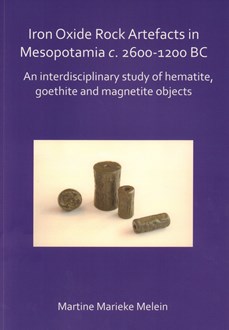
245 10|aIron Oxide Rock Artefacts in Mesopotamia c. 2600-1200 BC :|ban interdisciplinary study of hematite, goethite and magnetite objects /|cMartine Marieke Melein.
260 |aOxford :|bArchaeopress Publishing,|c2018.
300 |avi, 257 sayfa : resim (kimi renkli), harita, grafik, tıpkıbasım, tablo ;|c29 cm
490 0 |aArchaeopress archaeology
504 |aBibliyografya s. 114-122.
505 |tGeneral introduction --|tFormation, mineralogy and occurrence of iron oxide rocks --|tThe archaeological evidence - a qualitative approach --|tThe archaeological evidence a quantitative approach --|tHematite - the evidence from the cuneiform sources --|tMaterial Analyses --|tConclusions and synthesis --|tSummary --|tAppendix I: Overview of Syrian and Mesopotamian history, and cylinder seal styles ca. 3000-1200 BC --|tAppendix II: The Database --|tAppendix III: Reference numbers used in the database --|tAppendix IV: Concordance of artefacts from the De Liagre Böhl Collection --|tAppendix V: Medical-magical texts mentioning iron oxide rock --|tAppendix VI: Material analyses per artefact.
520 |a“The flourishing civilisations of Mesopotamia imported all kinds of materials from the surrounding regions. Iron oxide rock was very popular for weight stones and cylinder seals around 2000 BC. This research aims to determine the region of origin for the raw material, what made people start using iron oxide rock, and what led them to stop using it“ --|cYayıncı.
546 |aİngilizce ve Arapça özet içerir (s. 123-127).
650 4|aArkeolojik kazılar|zIrak.
650 4|aMedeniyet|zMezopotamya.
650 4|aSilindir mühürler|zMezopotamya|yMÖ 2000.
650 4|aHematit|xÇivi yazılı kaynaklar.
650 4|aGötit|xÇivi yazılı kaynaklar.
650 4|aManyetit|xÇivi yazılı kaynaklar.
651 4|aIrak|xEski eserler.