LEADER 02338nam 22003378a 4500
001 601866
003 TR_AnAIT
005 20250627121845
020 |a9781910400845
020 |a9781910400852|q(ebook)
041 |aeng
049 |aTürk Tarih Kurumu Kütüphanesi
090 |aA.IX/5161
100 |aDyer, Gwynne,|d1946-
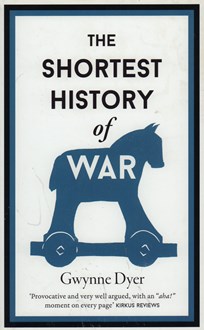
245 10|aThe shortest history of war /|cGwynne Dyer ; illustrations by James Nunn.
260 |aExeter :|bOld Street Publishing,|c2021.
300 |a241, [2] sayfa :|bresim, portre, çizim, şekil, grafik, tablo ;|c22 cm
504 |aBibliyografik notlar s. [233]-239.
505 |tOrigins --|tHow combat works --|tThe evolution of battle, 3500-1500BC --|tClassical war, 1500BC-1400AD --|tAbsolute monarchs and limited war, 1400-1790 --|tMass warfare, 1790-1900 --|tTotal war --|tA short history of nuclear war, 1945-1990 --|tTrifurcation: nuclear conventional, terrorist --|tThe end of war|tEndnotes --|tImage credits.
520 |a“In this addition to the bestselling ‘shortest history’ series, acclaimed historian and military expert Gwynne Dyer tells the story of war from its prehistoric – perhaps pre-human – origins up to the present age of algorithms and atom bombs.
Dyer chronicles the spread of warfare in the world’s first cities; the seemingly inexorable rise of inequality and tyranny as human societies expand; the millennium-long ‘classical age’ of combat ended by the firearm and the carnage of the Thirty Years’ War; the brief ensuing interlude of ‘limited war’ before the popular revolutions of the 18th century ushered in an era of total war – itself abruptly halted by Hiroshima.
The final chapters deal with the precarious equilibrium of the past 75 years – the longest period of peace between major powers in modern history – and with the looming threats of nuclear proliferation, superpower rivalry and climate change“ --|cYayıncı.
650 4|aAskeri tarih.
650 4|aSavaş|xTarih.
650 4|aSavaş|xTarih|yMÖ 3500-1500.
650 4|aSavaş|xTarih|yMÖ 1500-MS 1400.
650 4|aSavaş|xTarih|y1400-1790.
650 4|aSavaş|xTarih|y1790-1900.
650 4|aNükleer savaş|xTarih|y1945-1990.
650 4|aGerilla savaşı|xTarih.
650 4|aAskeri sanat ve bilim|xTarih.
700 1 |aNunn, James,|eresimleyen.