LEADER 02227naaa22200325 a 4500
001 602008
003 TR_AnAIT
005 20250627120936
006 aob||e |||| 001 0
007 ta
008 221221s2017 xxkob||e |||| 001 0 eng c
020 |a9781474274487|q(HB)
020 |a9781474274494|q(PB)
020 |a9781474274517|q(ePDF)
020 |a9781474274524|q(ePub)
040 |aTTK
041 |aeng
049 |aTürk Tarih Kurumu Kütüphanesi
090 |aA.IX/5025
100 1 |aAhmad, Ahmad Atif.
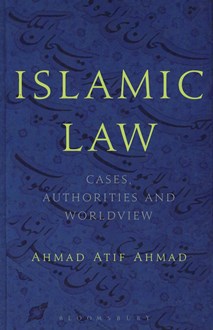
245 10|aIslamic law :|bcases, authorities and worldview /|cAhmad Atif Ahmad.
250 |aFirst published [1. baskı].
260 |aLondon ;|aNew York :|bBloomsbury Academic,|c2017.
300 |axv, 202 sayfa :|bresim, harita, grafik, tıpkıbasım ;|c25 cm
500 |aİndeks s. [201]-202.
505 |tThree cases --|tMadhhabs --|tTheorizing the Shari'a --|tThe social Shari'a --|tThe personal Shari'a --|tThe national Shari'as --|tThe transnational Shari'a --|tThe triangle of society, law, and government.
520 |a“Introducing undergraduate students to Islamic law, this accessible textbook does not presume legal or technical knowledge. Drawing on a comparative approach, it encourages students to think through the issues of the application of Islamic law where Muslims live as a majority and where they live as a minority, including the USA, Saudia Arabia, Egypt, Pakistan.
The book surveys the historical development as well as the contemporary contexts of Islamic law. In distilling the history of Islamic law for non-specialists, the author covers important topics such as the development and transformation of Islamic institutions before and after colonialism. Coverage of Islamic law across contemporary contexts draws on real case material, and allows for discussion of Islam as a legal and a moral code that is activated both inside and outside the court.
Readers will learn about rituals, dietary restrictions, family, contracts and property, lawful and unlawful gain, criminal law and punishments, and what makes a government legitimate in the eyes of Muslim individuals and authorities“ --|cYayıncı.
650 4|aİslam hukuku.
650 4|aİslam hukuku|xTarih.