LEADER 02166naaa22200361 a 4500
001 602009
003 TR_AnAIT
005 20250627120933
006 aod||e |||| 001 0
007 ta
008 221221s2021 xxkod||e |||| 001 0 tur c
020 |a9781250141346|q(HB)
020 |a9781350141353|q(ePDF)
020 |a9781350141360|q(eBook)
040 |aTTK
041 |aeng
049 |aTürk Tarih Kurumu Kütüphanesi
090 |aA.IX/5023
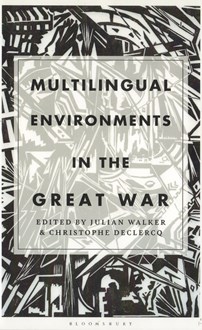
245 00|aMultilingual environments in the Great War /|cedited by Julian Walker, Christophe Declercq.
250 |aFirst published [1. baskı].
260 |aLondon ;|aNew York :|bBloomsbury Academic,|c2021.
300 |axxviii, 255 sayfa :|bresim, tıpkıbasım, tablo ;|c24 cm
500 |aİndeks s. [249]-255.
504 |aBibliyografya makale sonlarındadır.
520 |a“This book explores the differing ways in which language has been used to try to make sense of the First World War. Offering further developments in an innovative approach to the study of the conflict, it develops a transnational viewpoint of the experience of war to reveal less expected areas of language use during the conflict.
Taking the study of the First World War far beyond the Western Front, chapters examine experiences in many regions, including Africa, Armenia, post-war Australia, Russia and Estonia, and a variety of contexts, from prisoner-of-war and internment camps, to food queues and post-war barracks. Drawing upon a wide variety of languages, such as Esperanto, Flemish, Italian, Kiswahili, Portuguese, Romanian and Turkish, Multilingual Environments in the Great War brings together language experiences of conflict from both combatants and the home front, connecting language and literature with linguistic analysis of the immediacy of communication“ --|cYayıncı.
650 4|aSavaş ve toplum.
650 4|aKarşılaştırmalı dilbilim.
650 4|aDil ve diller|xSiyasi yönler.
650 4|aDünya Savaşı, 1914-1918|xDil.
650 4|aDünya Savaşı, 1914-1918|xSosyal yönler.
700 1 |aWalker, Julian,|d1954-|eeditör.
700 1 |aDeclercq, Christophe,|d1971-|eeditör.