LEADER 02203naaa22200313 a 4500
001 602013
003 TR_AnAIT
005 20250627120923
006 aob||e |||| 001 0
007 ta
008 221222s2013 xxkob||e |||| 001 0 eng c
020 |a9781107014084|q(hardback)
020 |a9781107529854 (paperback)
040 |aTTK
041 |aeng
049 |aTürk Tarih Kurumu Kütüphanesi
090 |aA.IX/5029
100 1 |aSavant, Sarah Bowen.
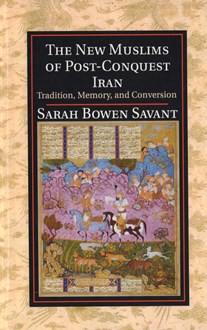
245 10|aThe new Muslims of post-conquest Iran :|btradition, memory and conversion /|cSarah Bowen Savant, Aga Khan University, Institute fort he Study of Muslim Civilisations.
260 |aCambridge ;|aNew York :|bCambridge University Press,|c2013.
300 |axvii, 277 sayfa :|bresim, harita, tıpkıbasım ;|c24 cm.
490 0 |aCambridge studies in Islamic civilization
500 |aİndeks s. 269-277
504 |aBibliyografya s. 237-267.
505 |tPrior connections to Islam --|tMuhammad's Persian companion, Salmān al-Fārisī --|tFinding meaning in the past --|tReforming Iranians' memories of pre-Islamic times --|tThe unhappy prophet --|tAsserting the end of the past.
520 |a“How do converts to a religion come to feel an attachment to it? The New Muslims of Post-Conquest Iran answers this important question for Iran by focusing on the role of memory and its revision and erasure in the ninth to eleventh centuries. During this period, the descendants of the Persian imperial, religious and historiographical traditions not only wrote themselves into starkly different early Arabic and Islamic accounts of the past but also systematically suppressed much knowledge about pre-Islamic history. The result was both a new 'Persian' ethnic identity and the pairing of Islam with other loyalties and affiliations, including family, locale and sect. This pioneering study examines revisions to memory in a wide range of cases, from Iran's imperial and administrative heritage to the Prophet Muhammad's stalwart Persian companion, Salman al-Farisi, and to memory of Iranian scholars, soldiers and rulers in the mid-seventh century“ --|cYayıncı.
650 4|aİslam|zİran|xTarih.
651 4|aDin değiştirme|xİslam dini.