LEADER 02294naaa22200313 a 4500
001 602016
003 TR_AnAIT
005 20250627120914
006 a||||e |||| 001 0
007 ta
008 221222s2015 xxu||||e |||| 001 0 eng c
020 |a9781107094246|q(hardback)
040 |aTTK
041 |aeng
049 |aTürk Tarih Kurumu Kütüphanesi
090 |aA.IX/5031
100 1 |aAzam, Hina,|d1970-
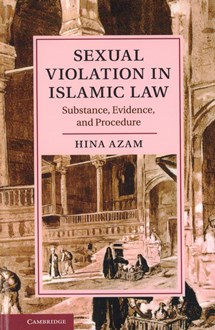
245 10|aSexual violation in islamic law :|bsubstance, evidence, and procedure /|cHina Azam, University of Texas at Austin.
260 |aNew York, NY :|bCambridge University Press,|c2015.
300 |axi, 270 sayfa ;|c24 cm.
490 0 |aCambridge studies in Islamic civilization
500 |aİndeks s. 261-270.
504 |aBibliyografya s. 249-260.
505 |g1.|tSexual violation in the Late Antique Near East --|g2.|tTracing rape in early Islamic law --|g3.|tRape as a property crime: the Mālikī approach --|g4.|tRape as a moral transgression: the Hanafī approach --|g5.|tProving rape in Hanafī law: substance, evidence, procedure --|g6.|tProving rape in Mālikī law: evidence, procedure, penalty --|tConclusion.
520 |a“This book provides a detailed analysis of Islamic juristic writings on the topic of rape and argues that classical Islamic jurisprudence contained nuanced, substantially divergent doctrines of sexual violation as a punishable crime. The work centers on legal discourses of the first six centuries of Islam, the period during which these discourses reached their classical forms, and chronicles the juristic conflict over whether or not to provide monetary compensation to victims. Along with tracing the emergence and development of this conflict over time, Hina Azam explains evidentiary ramifications of each of the two competing positions, which are examined through debates between the Ḥanafī and Mālikī schools of law. This study examines several critical themes in Islamic law, such as the relationship between sexuality and property, the tension between divine rights and personal rights in sex crimes, and justifications of victim's rights afforded by the two competing doctrines“ --|cYayıncı.
650 |aCinsel suçlar|xİslam hukuku.
650 |aTecavüz|xİslam hukuku.