LEADER 01939naaa22200361 a 4500
001 602453
003 TR_AnAIT
005 20250627115038
006 ab|||e |||| 001 0
007 ta
008 230303s2020 xxub|||e |||| 001 0 eng c
020 |a9781503610682|q(cloth)
020 |a9781503611955|q(paperback)
020 |a9781503611962|q(epub)
040 |aTTK
041 |aeng
049 |aTürk Tarih Kurumu Kütüphanesi
090 |aA.IX/5431
100 1 |aKia, Mana.
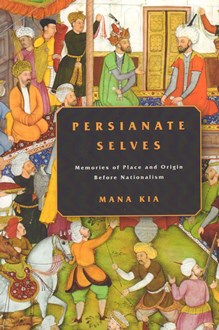
245 10|aPersianate selves :|bmemories of place and origin before nationalism /|cMana Kia.
260 |aStanford, California :|bStanford University Press,|c©2020.
300 |axxiv, 312 sayfa :|bharita ;|c24 cm.
500 |aİndeks s. [295]-312.
504 |aBibliyografik notlar s. [205]-264.
504 |aBibliyografya s. [265]-293.
505 |tLandscapes --|tRemembering, lamenting --|tPlace making and proximity --|tLineages and their places --|tKinship without ethnicity --|tNaming and its affiliations --|tCommemorating Persianate collectives, selves.
520 |a“Persianate Selves challenges accepted notions of what it meant to be Persian in the eighteenth century. Drawing on commemorative texts, this book reveals that to be Persian was not necessarily to be Iranian. Persians hailed from a variety of places across Central, South, and West Asia, and their sense of self was not tied to modern ideas of nationalism, religion, or race. Mana Kia explores the common education and cultural logic that connected Persians, before the concept of the nation, describing how place, origin, and memory created a sense of self unbounded by the limits of colonial modernity“ --|cYayıncı.
650 4|aMilliyetçilik|zİran|y18. yy.
650 4|aİranlılar|xEtnik kimlik|xTarih|y18. yy.
651 4|aAsya|xİran etkisi|y18. yy.
651 4|aİran|xYönetim ve politikalar|y1501-1736.
651 4|aİran|xTarih|y16.-18.yy.