LEADER 02285nama222003978a 4500
001 602699
003 TR_AnAIT
005 20250627114105
006 aoab|e |||| 001 0
007 ta
008 230324s2023 ne oab|e |||| 001 0 eng c
020 |a9789004526662|q(hardback)
020 |a9789004526679|q(e-book)
041 |aeng
049 |aTürk Tarih Kurumu Kütüphanesi
090 |aA.IX/5632
100 1 |aGheorghe, Adrian.
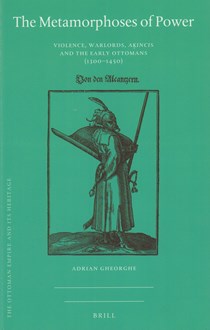
245 10|aThe metamorphoses of power :|bviolence, warlords, aḳıncıs and the early Ottomans, 1300-1450 /|cAdrian Gheorghe.
260 |aLeiden ;|aBoston :|bBrill, ©2023.
300 |axvi, 331 sayfa :|bresim (renkli), minyatür (renkli), şekil, harita (renkli), tıpkıbasım (renkli) ;|c24 cm.
490 1 |aThe Ottoman Empire and its heritage,|x1380-6076 ;|vvolume 76
500 |aSözlük s. [259]-282.
500 |aİndeks s. [319]- 331.
504 |aBibliyografya s. [283]-318.
505 |tThe Frames --|tThe Foundations --|tThe Infiltration --|tThe Transformation.
520 |a“Controversial scholarly debates around the beginnings of the Ottoman Empire in the last century are not only rooted in the scarcity or heterogeneity of sources, but also in the mentalities and ideologies that canonised thought paradigms. This book uses an interdisciplinary approach at the interface between Ottoman, Byzantine, Mediterranean and Southeast European studies. Unusual sources such as Western Anatolian numismatics and predominantly European documents met innovative methods from the study of violence and power networks. Making a case study around the military aḳıncı institution, the author re-evaluates the emergence of the Ottoman polity in dealing with various warlords and across multiple identities and political affiliations“ --|cYayıncı.
650 4|aAskeri tarih.
650 4|aSiyasi şiddet|zTürkiye|xTarih.
650 4|aAkıncı Ocağı|zOsmanlı İmparatorluğu|xTarih|y15-16. yy.
651 4|aTürkiye|xOrdu|xTarih.
651 4|aTürkiye|xOrdu|xSüvari.
651 4|aOsmanlı İmparatorluğu|xTarih, askeri|vKaynaklar.
651 4|aTürkiye|xYönetim ve politikalar|y1299-1453.
651 4|aTürkiye|xTarih|y1299-1453.
830 0|aThe Ottoman Empire and its heritage ;|vvolume 76.
830 0|aOEH ;|v76