LEADER 02855naa a2200397aa 4500
001 603504
003 TR_AnAIT
005 20250627110916
006 ab|||e |||| 001 0
007 ta
008 230607s2017 tu b|||e |||| 001 0 eng c
020 |a9786052380147
040 |aTTK
041 |aeng
049 |aTürk Tarih Kurumu Kütüphanesi
090 |aA.IX/5805
100 1 |aAkbulut, Mehmet Yılmaz,|d1990-
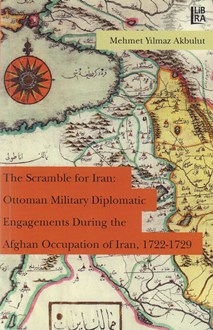
245 14|aThe scramble for Iran :|bOttoman military and diplomatic engagements during the Afghan occupation of Iran, 1722-1729 /|cMehmet Yılmaz Akbulut.
246 20|aOttoman military and diplomatic engagements during the Afghan occupation of Iran, 1722-1729
250 |a1st edition [1. baskı].
260 |aİstanbul :|bLibra,|c2017.
300 |a220 sayfa :|bharita ;|c21 cm.
490 1 |aLibra kitap ;|v211.|aHistory ;|v189.
500 |aİndeks s. 217-220.
504 |aBibliyografya s. 199-215.
520 |a“This book is a study of the Ottoman military and diplomatic involvements in Iran during the critical years that followed the collapse of the Safavid dynasty. Contrary to the image of an Empire that followed largely passive and defensive policies in the early eighteenth century, this study will reveal that the Ottoman Empire was remarkably proactive in this period. The Ottomans under the political leadership of Damat İbrahim Pasha (d. 1730) designed their Iranian policies during the 1720s with a distinct awareness of European international politics as well as of local Iranian politics and with the aim not just to protect but also to improve the position of the Empire in a changing global order. Diplomacy constituted an important dimension of the Ottomans’ engagements in Iran, culminating in the 1724 Partition Treaty with Russia, which arranged for the division of the Safavid territory between the Ottoman and Russian empires. War-making constituted the other facet of Ottoman engagements in Iran, and was motivated by complex military, strategic, administrative and economic calculations. Finally, their engagement in Iran brought the Ottomans in contact, and for a time, in conflict with another power, the Afghan invaders of Isfahan. In the religio-legal disputes with the Afghan ulama, the Ottoman side evoked a universalist understanding of the caliphate in anticipation of trends that historians have conventionally dated to the late nineteenth century“ --|cYayıncı.
651 4|aİran|xTarih|ySafevi Hanedanı, 1501-1736.
651 4|aAfganistan|xTarih|y18. yy.
651 4|aTürkiye|xDış ilişkiler|zAfganistan.
651 4|aAfganistan|xDış ilişkiler|zTürkiye.
651 4|aTürkiye|xDış ilişkiler|zİran.
651 4|aİran|xDış ilişkiler|zTürkiye.
830 0|aLibra kitap ;|v211.
830 0|aLibra kitap.|pHistory ;|v189.