LEADER 02300naaaa2200337aa54500
001 604592
003 TR_AnAIT
005 20250627102228
006 aoad|e |||| 001 0d
007 ta
008 231201s2010 enkoad|e |||| 001 0deng c
020 |a9780521171922|q(Paperback)
020 |a9780521513210|q(Hardback)
040 |aTTK
041 |aeng
049 |aTürk Tarih Kurumu Kütüphanesi
090 |aA.IX/7192
100 1 |aLangdon, Susan Helen.
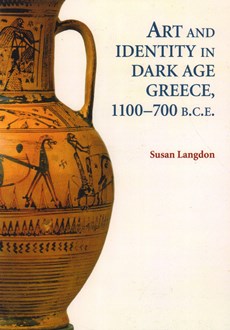
245 10|aArt and identity in dark age Greece, 1100-700 B.C.E. /|cSusan Helen Langdon.
250 |aFirst paperback edition.
260 |aCambridge :|bCambridge University Press,|c2010.
300 |axviii, 388 sayfa :|bresim, çizim, tablo ;|c25 cm
500 |aİndeks s. 381-388.
504 |aBibliyografya s. 343-380.
504 |aBibliyografik notlar s. 299-342.
505 |tIntroduction --|tArt made to order --|tGeometric art comes of age : an archaeology of maturation --|tVirgin territory : the construction of the maiden --|tMaiden, interrupted : the art of abduction --|tThe domestication of the warrior --|tEpilogue : back from the dark.
520 |a“This book explores how art and material culture were used to construct age, gender, and social identity in the Greek Early Iron Age, 1100-700 B.C.E. Coming between the collapse of the Bronze Age palaces and the creation of Archaic city-states, these four centuries witnessed fundamental cultural developments and political realignments. Whereas previous archaeological research has emphasized class-based aspects of change, this study offers a more comprehensive view of early Greece by recognizing the place of children and women in a warrior-focused society. Combining iconographic analysis, gender theory, mortuary analysis, typological study, and object biography, Susan Langdon explores how early figural art was used to mediate critical stages in the life-course of men and women. She shows how an understanding of the artistic and material contexts of social change clarifies the emergence of distinctive gender and class asymmetries that laid the basis for classical Greek society.” --|cArka kapak.
650 4|aSanat, Tarih Öncesi|zYunanistan.
650 4|aSanat ve toplum|zYunanistan.
651 4|aYunanistan|xMedeniyet|yMÖ 146’ya kadar.