LEADER 02100naaaa2200349aa54500
001 604597
003 TR_AnAIT
005 20250627102210
006 aoa||e |||| 001 0d
007 ta
008 240129s2013 enkoa||e |||| 001 0deng c
020 |a9780521760317|q(Hardback)
020 |a9780521756983|q(Paperback)
040 |aTTK
041 |aeng
049 |aTürk Tarih Kurumu Kütüphanesi
090 |aA.IX/7247
100 1 |aSpivey, Nigel Jonathan,|d1958-
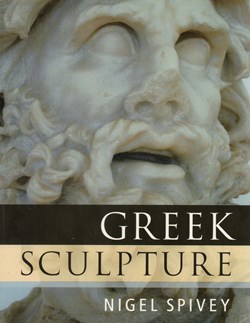
245 10|aGreek sculpture /|cNigel Spivey.
250 |aFirst published.
260 |aCambridge :|bCambridge University Press,|c2013.
300 |axxii, 329 sayfa :|bresim (kimi renkli), çizim ;|c25 cm
500 |aİndeks s. 324-329.
504 |aBibliyografya bölüm sonlarındadır.
505 |tIntroduction : the study of Greek sculpture --|tThe Greek revolution --|tDaedalus and the wings of technê --|tAnathêmata : gifts for the gods --|tHeroes apparent --|tTemple stories --|tIn search of Pheidias --|tRevealing Aphrodite --|tRoyal patronage --|tPortraits and personifications --|tGraecia capta --|tAfterlife.
520 |a“Ancient Greek sculpture seems to have a timeless quality - provoking reactions that may range from awe to alienation. Yet it was a particular product of its age: and to know how and why it was once created is to embark upon an understanding of its 'Classic' status. In this richly-illustrated and carefully-written survey, encompassing works from c. 700 BC to the end of antiquity, Nigel Spivey expounds not only the social function of Greek sculpture but also its aesthetic and technical achievement. Fresh approaches are reconciled with traditional modes of study as the connoisseurship of this art is sympathetically unravelled, while source material and historical narratives are woven into detailed explanations, putting the art into its proper context.” --|cYayıncı.
600 04|aPhidias, MÖ 490?-431.
650 4|aHeykel, Grek|xTarih.
650 4|aSanat ve din|zYunanistan.
650 4|aHeykel, Grek|xSiyasi yönler.
651 4|aYunanistan|xEski eserler.