

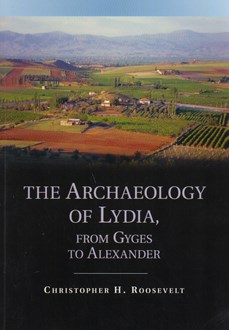
The archaeology of Lydia, from Gyges to Alexander / Christopher H. Roosevelt.
Yer Numarası
A.IX/7226
ISBN
9781107011250 (Hardback)
9781107629837 (Paperback)
9781107629837 (Paperback)
Dil Kodu
İngilizce
Kütüphane
Türk Tarih Kurumu Kütüphanesi
Basım Bildirimi
First paperback edition.
Yayın Bilgisi
Cambridge : Cambridge University Press, 2014.
Fiziksel Niteleme
xvii, 314 sayfa : resim, çizim, harita, plan, grafik, tablo ; 25 cm
Genel Not
İndeks s. 299-314.
Bibliyografi, vb. Notu
Bibliyografya s. 279-298.
Bibliyografik notlar s. 259-277.
Bibliyografik notlar s. 259-277.
İçindekiler Notu
1. Introduction. Regional Archaeology -- Material Culture and Cultural Change -- Overview of this Study -- 2. The cultural and historical framework. Lydian Origins, Language, and the Early Lydian Period (Through yhe Late Eighth Century) -- The Middle Lydian Period (Early Seventh through Mid-Sixth Centuries) -- The Late Lydian (or Achaemenid) Period (Mid-Sixth through Late Fourth Centuries) -- 3. Lydian geography and environment. The Natural Landscapes of Lydia -- Geology -- Climate and Vegetation -- Resources -- The Richness and Diversity of Lydian Lanscapes -- 4. Settlement and society at Sardis. The Geography and Development of Sardis -- Lydian Houses and Domestic Economy -- Small-Scale Craft Production and Exchange -- Large-Scale Craft Production and Exchange -- Royal, Administrative, and Public Buildings -- Cults and Cult Places -- Sardis and Lydian Society -- 5. Settlement and society in central and greater Lydia. Central Lydia, the Immediate Hinterland of Sardis -- Greater Lydia, the Distant Hinterland of Sardis -- Settlement Structure and Estates -- Settlement Concerns -- Sacred Landscapes and Cult Places -- Lydian Settlement Patterns and Regional Interaction -- 6. Burial and society. Regional Burial Types -- Graveside Markers and Funerary Imagery -- Grave Assemblages and Funeral Ceremonies -- Burial and Lydian Society -- 7. Conclusions : continuity and change at Sardis and beyond. Development in the Material Record -- Material and Historical Synthesis : Continuity and Change -- Some Final Conclusions and Prescriptions for the Future.
Özet, vb.
“In The Archaeology of Lydia, From Gyges to Alexander, Christopher H. Roosevelt provides the first overview of the regional archaeology of Lydia in western Turkey, including much previously unpublished evidence and a fresh synthesis of the archaeology of Sardis, the ancient capital of the region. Combining data from regional surveys, stylistic analyses of artifacts in local museums, ancient texts, and environmental studies, he presents a new perspective on the archaeology of this area. To assess the importance of Lydian landscapes under Lydian and Achaemenid rule, roughly between the seventh and fourth centuries BCE, Roosevelt situates the archaeological evidence within frameworks established by evidence for ancient geography, environmental conditions, and resource availability and exploitation. Drawing on detailed and copiously illustrated evidence presented in a regionally organized catalogue, this book considers the significance of evidence of settlement and burial at Sardis and beyond for understanding Lydian society as a whole and the continuity of cultural traditions across the transition from Lydian to Achaemenid hegemony.” -- Arka kapak.
Konu
Eseri Alıntıla
Referansları kullanmadan önce gözden geçirmeniz ve varsa gerekli düzeltmeleri yapmanız önerilir.
Dijital Kaynak
MARC Görünümü
LEADER 04138naaaa2200409aa54500
001 604649
003 TR_AnAIT
005 20250627101838
006 aoabee |||| 001 0d
007 ta
008 240119s2014 enkoabee |||| 001 0deng c
020 |a9781107011250|q(Hardback)
020 |a9781107629837|q(Paperback)
040 |aTTK
041 |aeng
049 |aTürk Tarih Kurumu Kütüphanesi
090 |aA.IX/7226
100 1 |aRoosevelt, Christopher H.
245 14|aThe archaeology of Lydia, from Gyges to Alexander /|cChristopher H. Roosevelt.
250 |aFirst paperback edition.
260 |aCambridge :|bCambridge University Press,|c2014.
300 |axvii, 314 sayfa :|bresim, çizim, harita, plan, grafik, tablo ;|c25 cm
500 |aİndeks s. 299-314.
504 |aBibliyografya s. 279-298.
504 |aBibliyografik notlar s. 259-277.
505 |g1.|tIntroduction.|tRegional Archaeology --|tMaterial Culture and Cultural Change --|tOverview of this Study --|g2.|tThe cultural and historical framework.|tLydian Origins, Language, and the Early Lydian Period (Through yhe Late Eighth Century) --|tThe Middle Lydian Period (Early Seventh through Mid-Sixth Centuries) --|tThe Late Lydian (or Achaemenid) Period (Mid-Sixth through Late Fourth Centuries) --|g3.|tLydian geography and environment.|tThe Natural Landscapes of Lydia --|tGeology --|tClimate and Vegetation --|tResources --|tThe Richness and Diversity of Lydian Lanscapes --|g4.|tSettlement and society at Sardis.|tThe Geography and Development of Sardis --|tLydian Houses and Domestic Economy --|tSmall-Scale Craft Production and Exchange --|tLarge-Scale Craft Production and Exchange --|tRoyal, Administrative, and Public Buildings --|tCults and Cult Places --|tSardis and Lydian Society --|g5.|tSettlement and society in central and greater Lydia.|tCentral Lydia, the Immediate Hinterland of Sardis --|tGreater Lydia, the Distant Hinterland of Sardis --|tSettlement Structure and Estates --|tSettlement Concerns --|tSacred Landscapes and Cult Places --|tLydian Settlement Patterns and Regional Interaction --|g6.|tBurial and society.|tRegional Burial Types --|tGraveside Markers and Funerary Imagery --|tGrave Assemblages and Funeral Ceremonies --|tBurial and Lydian Society --|g7.|tConclusions : continuity and change at Sardis and beyond.|tDevelopment in the Material Record --|tMaterial and Historical Synthesis : Continuity and Change --|tSome Final Conclusions and Prescriptions for the Future.
520 |a“In The Archaeology of Lydia, From Gyges to Alexander, Christopher H. Roosevelt provides the first overview of the regional archaeology of Lydia in western Turkey, including much previously unpublished evidence and a fresh synthesis of the archaeology of Sardis, the ancient capital of the region. Combining data from regional surveys, stylistic analyses of artifacts in local museums, ancient texts, and environmental studies, he presents a new perspective on the archaeology of this area. To assess the importance of Lydian landscapes under Lydian and Achaemenid rule, roughly between the seventh and fourth centuries BCE, Roosevelt situates the archaeological evidence within frameworks established by evidence for ancient geography, environmental conditions, and resource availability and exploitation. Drawing on detailed and copiously illustrated evidence presented in a regionally organized catalogue, this book considers the significance of evidence of settlement and burial at Sardis and beyond for understanding Lydian society as a whole and the continuity of cultural traditions across the transition from Lydian to Achaemenid hegemony.” --|cArka kapak.
650 4|aArkeolojik kazılar|zTürkiye|zLydia (Krallık)
650 4|aArkeolojik kazılar|zTürkiye|zSardis (antik kent)
650 4|aArkeolojik kazılar|zTürkiye.
650 4|aArazi yerleşimi|zTürkiye|zLidya Krallığı.
651 4|aLidya Krallığı|xTarih.
651 4|aLydia (Krallık)|xEski eserler.
651 4|aSardis (antik kent)|xEski eserler.
651 4|aSardis (antik kent)|xTarih.
651 4|aTürkiye|xEski eserler.
001 604649
003 TR_AnAIT
005 20250627101838
006 aoabee |||| 001 0d
007 ta
008 240119s2014 enkoabee |||| 001 0deng c
020 |a9781107011250|q(Hardback)
020 |a9781107629837|q(Paperback)
040 |aTTK
041 |aeng
049 |aTürk Tarih Kurumu Kütüphanesi
090 |aA.IX/7226
100 1 |aRoosevelt, Christopher H.
245 14|aThe archaeology of Lydia, from Gyges to Alexander /|cChristopher H. Roosevelt.
250 |aFirst paperback edition.
260 |aCambridge :|bCambridge University Press,|c2014.
300 |axvii, 314 sayfa :|bresim, çizim, harita, plan, grafik, tablo ;|c25 cm
500 |aİndeks s. 299-314.
504 |aBibliyografya s. 279-298.
504 |aBibliyografik notlar s. 259-277.
505 |g1.|tIntroduction.|tRegional Archaeology --|tMaterial Culture and Cultural Change --|tOverview of this Study --|g2.|tThe cultural and historical framework.|tLydian Origins, Language, and the Early Lydian Period (Through yhe Late Eighth Century) --|tThe Middle Lydian Period (Early Seventh through Mid-Sixth Centuries) --|tThe Late Lydian (or Achaemenid) Period (Mid-Sixth through Late Fourth Centuries) --|g3.|tLydian geography and environment.|tThe Natural Landscapes of Lydia --|tGeology --|tClimate and Vegetation --|tResources --|tThe Richness and Diversity of Lydian Lanscapes --|g4.|tSettlement and society at Sardis.|tThe Geography and Development of Sardis --|tLydian Houses and Domestic Economy --|tSmall-Scale Craft Production and Exchange --|tLarge-Scale Craft Production and Exchange --|tRoyal, Administrative, and Public Buildings --|tCults and Cult Places --|tSardis and Lydian Society --|g5.|tSettlement and society in central and greater Lydia.|tCentral Lydia, the Immediate Hinterland of Sardis --|tGreater Lydia, the Distant Hinterland of Sardis --|tSettlement Structure and Estates --|tSettlement Concerns --|tSacred Landscapes and Cult Places --|tLydian Settlement Patterns and Regional Interaction --|g6.|tBurial and society.|tRegional Burial Types --|tGraveside Markers and Funerary Imagery --|tGrave Assemblages and Funeral Ceremonies --|tBurial and Lydian Society --|g7.|tConclusions : continuity and change at Sardis and beyond.|tDevelopment in the Material Record --|tMaterial and Historical Synthesis : Continuity and Change --|tSome Final Conclusions and Prescriptions for the Future.
520 |a“In The Archaeology of Lydia, From Gyges to Alexander, Christopher H. Roosevelt provides the first overview of the regional archaeology of Lydia in western Turkey, including much previously unpublished evidence and a fresh synthesis of the archaeology of Sardis, the ancient capital of the region. Combining data from regional surveys, stylistic analyses of artifacts in local museums, ancient texts, and environmental studies, he presents a new perspective on the archaeology of this area. To assess the importance of Lydian landscapes under Lydian and Achaemenid rule, roughly between the seventh and fourth centuries BCE, Roosevelt situates the archaeological evidence within frameworks established by evidence for ancient geography, environmental conditions, and resource availability and exploitation. Drawing on detailed and copiously illustrated evidence presented in a regionally organized catalogue, this book considers the significance of evidence of settlement and burial at Sardis and beyond for understanding Lydian society as a whole and the continuity of cultural traditions across the transition from Lydian to Achaemenid hegemony.” --|cArka kapak.
650 4|aArkeolojik kazılar|zTürkiye|zLydia (Krallık)
650 4|aArkeolojik kazılar|zTürkiye|zSardis (antik kent)
650 4|aArkeolojik kazılar|zTürkiye.
650 4|aArazi yerleşimi|zTürkiye|zLidya Krallığı.
651 4|aLidya Krallığı|xTarih.
651 4|aLydia (Krallık)|xEski eserler.
651 4|aSardis (antik kent)|xEski eserler.
651 4|aSardis (antik kent)|xTarih.
651 4|aTürkiye|xEski eserler.
Materyaller
Depodan talep edilen materyal sadece kütüphane içerisinde kullanılmaktadır.
Materyal dışarıya ödünç verilmemektedir.
Materyal dışarıya ödünç verilmemektedir.
