LEADER 02086naaaa2200325aa54500
001 604660
003 TR_AnAIT
005 20250627101759
006 aoabee |||| 001 0d
007 ta
008 240806s2020 enkoabee |||| 001 0deng c
020 |a9781108493192|q(hardback)
040 |aTTK
041 |aeng
049 |aTürk Tarih Kurumu Kütüphanesi
090 |aA.IX/7868
100 1 |aCousins, Eleri H.,|d1987-
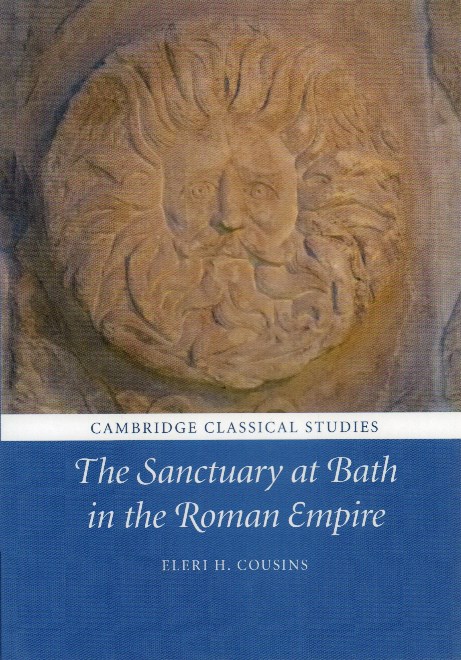
245 10|aThe sanctuary at Bath in the Roman Empire /|cEleri H. Cousins.
250 |aFirst published.
260 |aCambridge, UK :|bCambridge University Press,|c2020.
300 |ax, 228 sayfa :|bresim, çizim, harita, plan, tıpkıbasım, tablo ;|c25 cm.
490 0 |aCambridge classical studies
500 |aİndeks s. 226-228.
504 |aBibliyografya s. 201-225.
505 |tDiscovering Roman Bath --|tFrom Bath to Aquae Sulis --|tExperiencing Aquae Sulis --|tAquae Sulis and Empire --|tWater from the Earth --|tThe Local Writ Large --|tFrom Aquae Sulis to Bath.
520 |a“The Roman sanctuary at Bath has long been used in scholarship as an example par excellence of religious and artistic syncretisms in Roman Britain. With its monumental temple, baths, and hot springs, its status as one of the most significant Roman sites in the province is unquestioned. But our academic narratives about Roman Bath are also rooted in the narratives of our more recent past. This book begins by exploring how Georgian and Victorian antiquaries developed our modern story of a healing sanctuary at Roman Bath. It shows that a curative function for the sanctuary is in fact unsupported by the archaeological evidence. It then re-tells the story of Roman Bath by focusing on three interlinked aspects: the entanglement of the sanctuary with Roman imperialism, the role of the hot springs in the lives of worshipers, and Bath's place within the wider world of the western Roman Empire“ --|cYayıncı.
650 4|aArkeolojik kazılar|zİngiltere|zBath.
650 4|aArkeoloji ve din|zİngiltere.
651 4|aBath (İngiltere)|xAntikalar, Roma.