LEADER 02315naaaa2200325aa54500
001 604662
003 TR_AnAIT
005 20250627101755
006 aoaede |||| 001 0d
007 ta
008 231201s2022 enkoaede |||| 001 0deng c
020 |a9781108499477|q(hardback)
020 |a9781108730723|q(paperback)
020 |a9781108583046|q(ebook)
040 |aTTK
041 |aeng
049 |aTürk Tarih Kurumu Kütüphanesi
090 |aB.II/0025
100 1 |aPierattini, Alessandro.
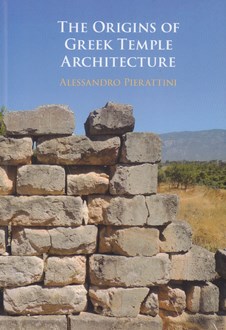
245 14|aThe origins of Greek temple architecture /|cAlessandro Pierattini, University of Notre Dame.
250 |aFirst published.
260 |aCambridge :|bCambridge University Press,|c2022.
300 |axix, 330 sayfa :|bresim, çizim, plan, tablo ;|c26 cm
500 |aİndeks s. 325-330.
504 |aBibliyografya s. 283-324.
505 |tIntroduction --|tOrigins and legacies. Early Iron Age temples and the question of function --|tThe rise of monumental temples : eighth to mid-seventh centuries BC --|tTechnological innovation and permanence : first half of the seventh century --|tConclusion --|tAppendices.
520 |a“In this book, Alessandro Pierattini offers a comprehensive study of the evolution of pre-Archaic Greek temple architecture from the eleventh to the mid-seventh century BC. Demystifying the formative stages of Greek architecture, he traces how temples were transformed from unassuming shrines made of perishable materials into large stone and terracotta monuments. Grounded in archaeological evidence, the volume analyzes the design, function, construction, and aesthetic of the Greek temple. While the book's primary focus is architectural, it also draws on nonarchitectural material culture, ancient cult practice, and social history, which also defined the context that fostered the Greek temple's initial development. In reconstituting this early history, Pierattini also draws attention to new developments as well as legacies from previous eras. Ultimately, he reveals why the temple's pre-Archaic development is not only of interest in itself but also a key to the origins of the Greek monumental architecture of the Archaic period.” --|cYayıncı.
650 4|aTapınaklar|zYunanistan.
650 4|aMimarlık ve toplum|zYunanistan|xTarih|y1500’e kadar.