

Bioarchaeology : an introduction to the archaeology and anthropology of the dead / Mark Q. Sutton.
Yer Numarası
A.IX/7246
ISBN
9781138481039 (hbk)
9781138481060 (pbk)
9781351061117 (ebk)
9781138481060 (pbk)
9781351061117 (ebk)
Dil Kodu
İngilizce
Kütüphane
Türk Tarih Kurumu Kütüphanesi
Yazar
Basım Bildirimi
First published.
Yayın Bilgisi
Abingdon, Oxon ; New York, NY : Routledge, 2021.
Fiziksel Niteleme
xiv, 295 sayfa : resim, çizim, harita, şema, tablo ; 25 cm
Genel Not
Sözlük s. [270]-279.
İndeks s. [283]-295.
İndeks s. [283]-295.
Bibliyografi, vb. Notu
Bibliyografya s. [210]-269.
Özet, vb.
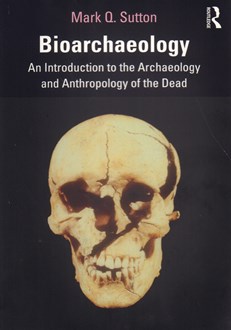
“Bioarchaeology covers the history and general theory of the field plus the recovery and laboratory treatment of human remains. Bioarchaeology is the study of human remains in context from an archaeological and anthropological perspective. The book explores, through numerous case studies, how a society deals with their dead can reveal a great deal about that society, including religion, political, economic, and social organizations. It details recovery methods and how, once recovered, human remains can be analysed to reveal details about the funerary system of the subject society and inform on a variety of other issues, such as health, demography, disease, workloads, mobility, sex and gender, and migration. Finally, the book highlights how bioarchaeological techniques can be used in contemporary forensic settings and in the investigations of genocide and war crimes. In Bioarchaeology, theories, principles and scientific techniques are laid out in a clear, understandable way and students of archaeology at undergraduate and graduate levels will find this an excellent guide to the field.” -- Yayıncı.
