LEADER 02556naaaa2200337aa54500
001 604676
003 TR_AnAIT
005 20250627101710
006 aobd|e |||| 001 0d
007 ta
008 240805s2023 enkobd|e |||| 001 0deng c
020 |a9781316510933|q(hardback)
040 |aTTK
041 |aeng
049 |aTürk Tarih Kurumu Kütüphanesi
090 |aB.II/0186
100 1 |aMurray, Sarah C.
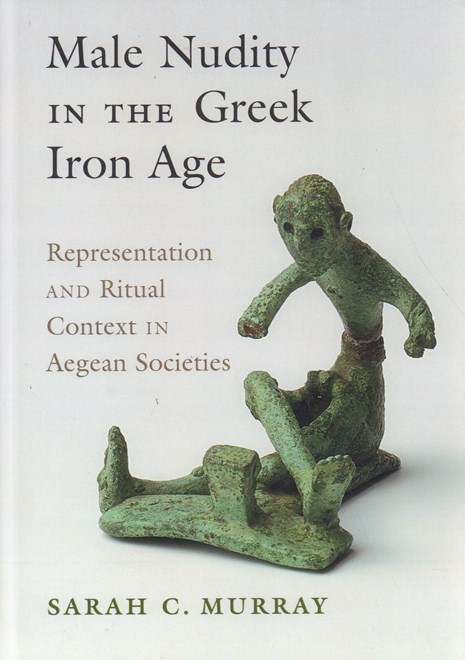
245 10|aMale nudity in the Greek Iron age :|brepresentation and ritual context in Aegean societies /|cSarah C. Murray.
250 |aReprinted.
260 |aCambridge :|bCambridge University Press,|c2023.
300 |axxv, 322 sayfa, [12] sayfa resim :|bresim (çoğu renkli), harita, tablo ;|c26 cm
500 |aİndeks s. 319-322.
504 |aBibliyografya s. 275-317.
505 |tIntroduction --|tNaked Male Figurines in the EIA Aegean --|tIconographic and Regional Patterns in EIA Bronze Figurines and the History of Ritual Action --|tThe Lost Wax Method of Production and EIA Bronze Figurines --|tBronze Figurines, Transformative Processes, and Ritual Power --|tEIA Nudity and Ritual in Historical Perspective --|tMethod and Approach in the Archaeology of the EIA Aegean.
520 |a“Why did the male nude come to occupy such an important place in ancient Greek culture? Despite extended debate, the answer to this question remains obscure. In this book, Sarah Murray demonstrates that evidence from the Early Iron Age Aegean has much to add to the discussion. Her research shows that aesthetics and practices involving male nudity in the Aegean had a complicated origin in prehistory. Murray offers a close analysis of the earliest male nudes from the late Bronze and Early Iron Ages, which mostly take the form of small bronze votive figurines deposited in rural sanctuaries. Datable to the end of the second millennium BCE, these figurines, she argues, enlighten the ritual and material contexts in which nude athletics originated, complicating the rationalizing accounts present in the earliest textual evidence for such practices. Murray's book breaks new ground by reconstructing a scenario for the ritual and ideological origins of nudity in Greek art and culture“ --|cArka kapak.
650 4|aErkek, sanatta|zTürkiye ve Yunanistan|zEge Adaları.
650 4|aBronz heykelcikler|zTürkiye ve Yunanistan|zEge Adaları.
650 4|aRitüeller|zTürkiye ve Yunanistan|zEge Adaları|yTarih öncesi.
650 4|aDemir Çağı|zTürkiye ve Yunanistan|zEge Adaları.
651 4|aAntik Yunan|xMedeniyet.