LEADER 03023namaa22003018a44500
001 604719
003 TR_AnAIT
005 20250627101459
006 aobd|e |||| 001 0
007 ta
008 241107s2024 xxkobd|e |||| 001 0 eng c
020 |a9781803273303
020 |a9781803273310|q(e-Pdf)
041 |aeng
049 |aTürk Tarih Kurumu Kütüphanesi
090 |aB.II/0284
100 1 |aVelentza, Katerina.
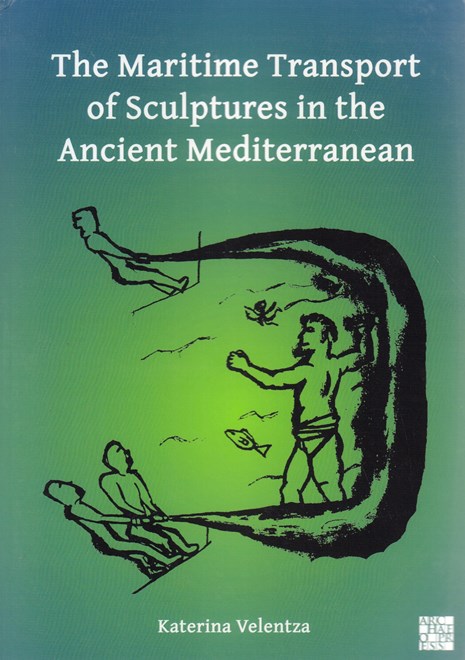
245 14|aThe maritime transport of sculptures in the ancient Mediterranean /|cKaterina Velentza.
260 |aSummertown, Oxford :|bArchaeopress Archaeology,|c2022.
300 |avi, 155 sayfa :|bresim (renkli), harita (renkli), grafik, tablo ;|c29 cm
500 |aİndeks s. 154-155.
504 |aBibliyografya s. 141-152.
505 |tPrimary sources and literature review --|tMethodology of the research --|tThe database for the maritime transport of sculptures in the ancient Mediterranean --|tRevisiting the Porticello shipwreck --|tThe Favaritx shipwreck and the maritime transport of bronze sculptures as scrap --|tThe Mahdia shipwreck: reconsidering old data, making new observations.
520 |a“The Maritime Transport of Sculptures in the Ancient Mediterranean examines where, when, why and how sculptures were transported on the Mediterranean Sea during Classical Antiquity through the lenses of both maritime and classical archaeology. From the 16th century onwards numerous ancient sculptures have been discovered in the Mediterranean from the context of surveyed shipwrecks, unrecorded potential shipwrecks or as isolated finds. Scholars so far have analysed those sculptural artefacts from an art historical perspective, with interpretation of their maritime transportation remaining conjectural due to the problematic recording and the remoteness of their underwater context.
With a focus on the underwater context of already retrieved sculptures, this book aims at comprehending in detail the various circumstances under which ancient sculptural artefacts were carried on board ancient merchant ships and were consequently deposited underwater. Through the creation of an extensive Mediterranean-wide database, with more than 100 known incidents of ancient sculptures found underwater, and the in-depth analysis of three case studies, the Porticello, Mahdia and Favaritx shipwrecks, a new interpretation is presented for this maritime activity. Thereby, new details for the maritime transport and distribution of sculptures during the period of Classical Antiquity are revealed. Finally, the volume demonstrates the importance of the thorough recording of underwater archaeological evidence in the hope of raising awareness and eliminating the salvage of ancient sculptures out of their underwater context, a practice that has been encouraging the illicit trade of such antiquities“ --|cYayıncı.
650 4|aHeykeller|xDeniz taşımacılığı|xTarih.
650 4|aUlaşım|zAkdeniz|xTarih.
650 4|aSualtı arkeolojisi|zAkdeniz
650 4|aDenizcilik|xTarih|yAntik Yunan.