LEADER 02979naaaa2200361aa54500
001 604818
003 TR_AnAIT
005 20250627100807
006 aoabee |||| 100 0d
007 ta
008 240201s2022 be oabee |||| 100 0deng c
020 |a9789042947320
020 |a9789042947337|q(eISBN)
040 |aTTK
041 |aeng
049 |aTürk Tarih Kurumu Kütüphanesi
090 |aB.II/0065
111 2 |aPolitical Geographies of the Bronze Age Aegean (Workshop)|d(2019 :|cAthens, Yunanistan)
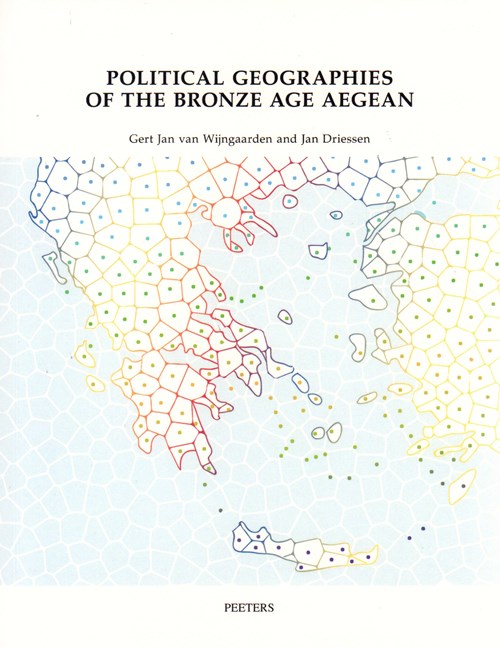
245 10|aPolitical geographies of the Bronze Age Aegean :|bproceedings of the joint workshop by the Belgian School at Athens (EBSA) and the Netherlands Institute at Athens (NIA), May 28 to 31, 2019 /|cedited by Gert Jan van Wijngaarden and Jan Driessen.
260 |aLeuven ;|aParis ;|aBristol, CT :|bPeeters,|c2022.
300 |avii, 260 sayfa :|bresim (kimi renkli), çizim, harita (çoğu renkli), plan, grafik, tablo ;|c28 cm.
490 1 |aBabesch.|aSupplement ;|v43
504 |aBibliyografya bildiri sonlarındadır.
520 |a“Even though the demise of the Minoan and Mycenaean palaces happened more than three millennia ago, opinions on the political geography of the Aegean during the Bronze Age (2500-1100 BC) have seen remarkable changes over the last century and discussions continue. Since the Early Bronze Age, both Crete and the Helladic Mainland witnessed the development of complex societies. The ways in which these were structured and how power was executed, however, remain debated. In this volume, which represents the proceedings of a three-day workshop that took place in Athens from May 29 to 31, 2019, leading scholars in the field of Aegean Archaeology continue these debates on the basis of theoretically informed views that incorporate the latest archaeological developments, derived from both surveys and excavations. The volume is structured around three themes: 1. Territories. Can political or other meaningful spatial organisations be recognised in our data? And how did territories relate to one another? What about boundaries? How can we integrate our data into a discussion of intra-and inter-territorial relationships? 2. Authority display. Can we recognise different levels or scales in visual representation of authority? Were Aegean societies faceless? 3. Forms of power. How was power exercised and how can we recognise this? What types of control (military, economic, religious, social, technological?) can be distinguished and to what extent was power individualised, concentrated, hereditary, institutionalised, corporate?” --|cYayıncı.
650 4|aMinoslular.
650 4|aTunç Çağı|zYunanistan|zGirit.
651 4|aGirit (Yunanistan)|xMedeniyet.
651 4|aGirit (Yunanistan)|xEski eserler.
651 4|aYunanistan|xEski eserler, Miken.
700 1 |aWijngaarden, Gert Jan van,|d19??-|eeditör.
700 1 |aDriessen, Jan,|d1958-|eeditör.
830 0|aBabesch.|pSupplement ;|v43.