

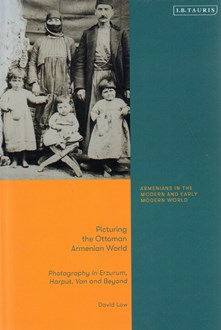
Picturing the Ottoman Armenian world : photography in Erzurum, Harput, Van and beyond / David Low.
Yer Numarası
A.IX/7268
ISBN
9780755600397 (HB)
9780755600380 (paperback)
9780755600410 (ePDF)
9780755600403 (eBook)
9780755600380 (paperback)
9780755600410 (ePDF)
9780755600403 (eBook)
Dil Kodu
İngilizce
Kütüphane
Türk Tarih Kurumu Kütüphanesi
Yazar
Basım Bildirimi
First published in Great Britain.
Yayın Bilgisi
London : I.B. Tauris, 2022.
Fiziksel Niteleme
xvi, 250 sayfa : resim, portre, tıpkıbasım ; 24 cm.
Dizi
Armenians in the modern and early modern world
Genel Not
İndeks s. [246]-250.
Bibliyografi, vb. Notu
Bibliyografya s. [228]-245.
Bibliyografik notlar s. [190]-227.
Bibliyografik notlar s. [190]-227.
İçindekiler Notu
List of figures -- Acknowledgements -- Notes on names and transliteration -- Prelude : The Unfixed World -- Escaping Constantinople, or a little history of photography in the Ottoman Empire -- Approaching the provinces, via Trebizond -- Beginning in Erzurum -- Leaving Harput -- Returning to Van -- Looking forward, looking back -- Sailing away from a conclusion -- Notes -- Bibliography -- Index.
Özet, vb.
“The Armenian contribution to Ottoman photography is supposedly well known, with histories documenting the famous Ottoman Armenian-run studios of the imperial capital that produced Orientalist visions for tourists and images of modernity for a domestic elite. Neglected, however, have been the practitioners of the eastern provinces where the majority of Ottoman Armenians were to be found, with the result that their role in the medium has been obscured and wider Armenian history and experience distorted. Photography in the Ottoman East was grounded in very different concerns, with the work of studios rooted in the seismic social, political and cultural shifts that reshaped the region and Armenian lives during the empire's last decades. The first study of its kind, this book examines photographic activity in three sites on the Armenian plateau: Erzurum, Harput and Van. Arguing that local photographic practices were marked by the dominant activities and movements of these places, it describes a medium bound up in educational endeavours, mass migration and revolutionary politics. The camera both responded to and became the instrument of these phenomena. Light is shone on previously unknown practitioners and, more vitally, a perspective gained on the communities that they served. The book suggests that by contemplating the ways in which photographs were made, used, circulated and seen, we might form a picture of the Ottoman Armenian world.” -- Yayıncı.
