LEADER 02786naaaa2200373aa54500
001 604838
003 TR_AnAIT
005 20250627100708
006 aocbde |||| 001 0d
007 ta
008 231212s2023 enkocbde |||| 001 0deng c
020 |a9780755649747|q(HB)
020 |a9780755649754|q(ePDF)
020 |a9780755649761|q(eBook)
040 |aTTK
041 |aeng
049 |aTürk Tarih Kurumu Kütüphanesi
090 |aA.IX/7204
100 1 |aNeyzi, Mehmet Ali.
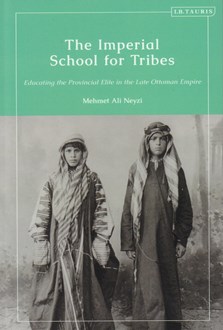
245 14|aThe Imperial School for Tribes :|beducating the provincial elite in the Late Ottoman Empire /|cMehmet Ali Neyzi.
250 |aFirst published.
260 |aLondon ;|aNew York :|bI. B. Tauris,|c2023.
300 |axv, 218 sayfa :|bresim, portre, harita, tıpkıbasım, tablo ;|c24 cm.
500 |aİndeks s. [216]-218.
504 |aBibliyografya s. [201]-215.
504 |aBibliyografik notlar s. [177]-200.
505 |tIntroduction --|tThe school for tribes : a chronology --|tRecruitment and placement --|tEducators and curriculum --|tLifestories : Greater Syria --|tLifestories : Libya --|tLifestories : Iraq --|tConclusion.
520 |a“Founded in the waning years of the Ottoman Empire, the Imperial School for Tribes (Asiret Mektebi) was an initiative by Sultan Abdulhamid II to bring the sons of prominent Arab tribal leaders to Istanbul for a world-class education and transform them into loyal Ottoman future military and governmental leaders. Utilizing a plethora of new documents recently made available in the Ottoman archives as well as Ottoman newspaper collections in Istanbul and Beirut, this is the first book to shed light on the School for Tribes. It provides a detailed analysis of the origins and families of the over 500 graduates of the school, as well as the recruitment and placement processes developed by the administration. The further careers and allegiances of the graduates are examined, allowing us to better understand relations between Turks and Arabs both during the last years of the Empire as well as in the following decades. The book shows that many graduates who became prominent leaders in their newly formed countries, including Abdulmuhsin al-Sadoun (Prime Minister of Iraq), Omar Mansour and Orhan Kologlu (Prime Ministers of Cyrenaica-Libya), and Ramadan al-Shallash (Lebanon) availed of their Ottoman training and preserved their imperial loyalties even as rifts that occurred between the Republic of Turkey and the Arab states widened.” --|cYayıncı.
600 04|aAbdülmuhsin el-Sadun, 1879-1928.
650 4|aAşiret okulu|zTürkiye|zİstanbul|xTarih.
650 4|aAraplar|xEğitim|zTürkiye|zİstanbul|xTarih.
650 4|aOkullar|zTürkiye|zİstanbul|xTarih.
650 4|aEğitim ve devlet|zTürkiye|xTarih.