LEADER 02769naaaa2200385aa54500
001 604846
003 TR_AnAIT
005 20250627100635
006 a||||e |||| 001 0d
007 ta
008 240131s2023 enk||||e |||| 001 0deng c
020 |a9781350180543|q(HB)
020 |a9781350323919|q(paperback)
020 |a9781350180550|q(ePDF)
020 |a9781350180567|q(eBook)
040 |aTTK
041 |aeng
049 |aTürk Tarih Kurumu Kütüphanesi
090 |aA.IX/7269
100 1 |aTekgül, Nil.
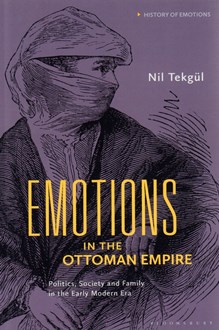
245 10|aEmotions in the Ottoman Empire :|bpolitics, society, and family in the early modern era /|cNil Tekgül.
250 |aFirst published in Great Britain.
260 |aLondon :|bBloomsbury Academic,|c2023.
300 |axi, 169 sayfa :|bşema ;|c24 cm.
490 0 |aHistory of emotions
500 |aİndeks s. [163]-169.
504 |aBibliyografya s. [152]-162.
505 |tA note on transliteration and translation --|tAcknowledgements --|tIntroduction : Emotion and the concept of protection --|tEmotion knowledge --|tOttoman politics of emotion --|tEmotions in intracommunal relations : Rıza and Şükran --|tRegulating communities by an emotion : shame --|tEmotions in the Ottoman family --|tChanging meanings of protection and transformation of emotions --|tConclusion --|tBibliography --|tIndex.
520 |a“Exploring the political, social and familial ties in early modern Ottoman society, this book is a timely contribution to both the history of emotions and the study of the Ottoman Empire. Spanning compassion in political discourse and shame in judicial courts, to affection in the home, and hate in divorce cases, Emotions in the Ottoman Empire considers the role of emotions in both micro and macro settings. Drawing on Ottoman primary sources such as advice manuals, judicial court records and imperial decrees, this book argues that emotions in early modern Ottoman society were not just linguistic expressions of inner feelings but acted as tools for social and political communication. Using emotions it also reveals the experiences of everyday, ordinary people; why shame was always expressed by men, why gratitude played such an important role in local guilds and why Ottoman women used public baths as emotional refuges. Highlighting a culture that has so far been neglected in the history of emotions, this book looks to globalise the field and think more deeply about Ottoman society in the early modern period.” --|cYayıncı.
650 4|aDuygular|zTürkiye|xTarih.
650 4|aDuygular|zOsmanlı İmparatorluğu|xTarih.
651 4|aTürkiye|xTarih|zOsmanlı İmparatorluğu, 1299-1918.
651 4|aTürkiye|xSosyal durum|y1299-1918.
651 4|aTürkiye|xMedeniyet|y1299-1918.