LEADER 03446naaaa2200385aa54500
001 604863
003 TR_AnAIT
005 20250627100552
006 aobd|e |||| 001 0d
007 ta
008 240202s2023 cauobd|e |||| 001 0deng c
020 |a9781503634688|q(cloth)
020 |a9781503635937|q(ebook)
040 |aTTK
041 |aeng
049 |aTürk Tarih Kurumu Kütüphanesi
090 |aA.IX/7272
100 1 |aWilliams, Elizabeth Rachel.
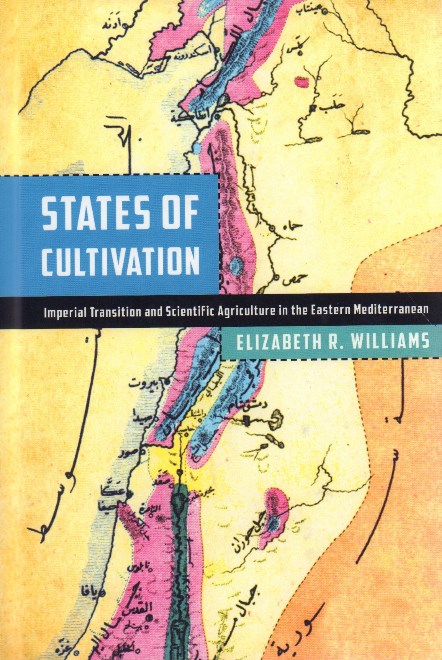
245 10|aStates of cultivation :|bimperial transition and scientific agriculture in the eastern Mediterranean /|cElizabeth R. Williams.
260 |aStanford, California :|bStanford University Press,|c©2023.
300 |axii, 425 sayfa :|bresim, harita, tıpkıbasım, tablo ;|c24 cm
500 |aİndeks s. 407-425.
504 |aBibliyografya s. 379-405.
504 |aBibliyografik notlar s. 283-378.
505 |tIntroduction --|tProvincial legibility and ecologies of extraction : agrarian networks and the making of late Ottoman rural state space --|t“Agriculture from a book” : “scientific” agriculture in the Ottoman eastern Mediterranean --|tThe trials and tribulations of tractors : from Ottoman provinces to French mandate states --|tThe politics of agricultural expertise and education : exerting rural influence under the French mandate --|tOf mice, Sunn bugs, drought, and taxation : the pests of mandate rural administration and the crisis of the 1930s.
520 |a“The final decades of the Ottoman Empire and the period of the French mandate in Syria and Lebanon coincided with a critical period of transformation in agricultural technologies and administration. Chemical fertilizers and mechanized equipment inspired model farms while government officials and technocratic elites pursued new land tenure, credit-lending, and tax collection policies to maximize revenue. These policies transformed rural communities and environments and were central to projects of reform and colonial control--as well as to resistance of that control. States of Cultivation examines the processes and effects of agrarian transformation over more than a century as Ottoman, Syrian, Lebanese, and French officials grappled with these new technologies, albeit with different end goals. Elizabeth Williams investigates the increasingly fragmented natures produced by these contrasting priorities and the results of their intersection with regional environmental limits. Not only did post-World War I policies realign the economic space of the mandate states, but they shaped an agricultural legacy that continued to impact Syria and Lebanon post-independence. With this book, Williams offers the first comprehensive account of the shared technocratic ideals that animated these policies and the divergent imperial goals that not only reshaped the region's agrarian institutions, but produced representations of the region with repercussions well beyond the mandate's end” --|cYayıncı.
650 4|aTarım ve devlet|zSuriye|xTarih|y20. yy.
650 4|aTarım ve devlet|zLübnan|xTarih|y20. yy.
650 4|aTarımsal yenilikler|zSuriye|xTarih|y20. yy.
650 4|aTarımsal yenilikler|zLübnan|xTarih|y20. yy.
650 4|aEmperyalizm ve bilim|zSuriye|xTarih|y20. yy.
650 4|aEmperyalizm ve bilim|zLübnan|xTarih|y20. yy.
651 4|aSuriye|xTarih|xFransız işgali, 1918-1946.
651 4|aLübnan|xTarih|xFransız işgali, 1918-1946.