LEADER 02468nam a22004698i 4500
001 605505
003 TR_AnAIT
005 20250627093435
006 m d
007 cr un uuuua
008 220630t20222023ne sb 001 0 eng d
020 |a9789004525139|q(electronic book)
020 |a9789004525122|q(print)
024 7 |a10.1163/9789004525139|2DOI
035 |z(OCoLC)1330688224
040 |aNL-LeKB|cNL-LeKB|erda
041 |aeng
049 |aTürk Tarih Kurumu Kütüphanesi
050 4|aPA27
072 7|aHIS|x039000|2bisacsh
082 04|a880.09|223
090 |aDK/0737
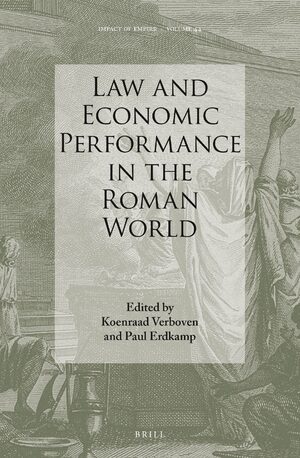
245 00|aLaw and Economic Performance in the Roman World /|cedited by Koenraad Verboven and Paul Erdkamp.
264 4|c©2023
300 |a1 online resource.
336 |atext|btxt|2rdacontent
337 |acomputer|bc|2rdamedia
338 |aonline resource|2rdacarrier
490 1 |aImpact of Empire ;|v44
504 |aIncludes bibliographical references and index.
520 3 |aWere legal systems in the Roman empire conducive to economic growth and development? Were legal rules and procedure changed in response to economic needs? This book offers detailed studies to provide some answers to these basic questions.
520 |aThis book offers critical analyses of the dynamic relation between legal regulations, institutions and economic performance in the Roman world. It studies how law and legal thought affected economic development, and vice versa. Inspired by New Institutional Economics scholars the past decades used ancient law to explain economic growth. There was, however, no natural selection process directing legal changes towards macro-economic efficiency. Ancient rulers and jurists modified institutions to serve or safeguard particular interests—political, social, or economic. Nevertheless both economic performance and legal scholarship peaked at unprecedented levels. These were momentous historical developments. How were they related?
588 |aDescription based on print version record.
650 0|aAncient History.
650 0|aClassical Studies.
650 0|aEconomic History.
650 0|aHistory.
700 1 |aErdkamp, Paul,|eeditor.
700 1 |aVerboven, Koenraad,|eeditor.
776 08|iPrint version:|tLaw and Economic Performance in the Roman World.|dLeiden ; Boston : Brill, 2022.|z9789004525122
830 0|aImpact of Empire ;|v44.
856 4 |zDOI:|uhttp://dx.doi.org/10.1163/9789004525139