

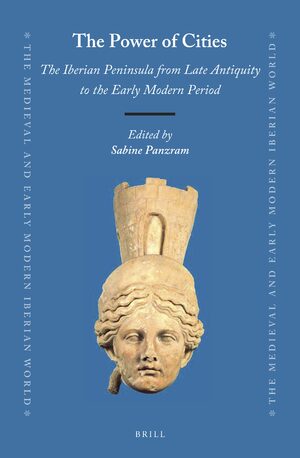
The power of cities : the Iberian peninsula from late antiquity to the early modern period / edited by Sabine Panzram.
Erişim Adresi
ISBN
9789004399693 (electronic book)
9789004399686 (print)
9789004399686 (print)
Dil Kodu
İngilizce
Yer Numarası
DK/0995
Yayın Bilgisi
Leiden Boston : BRILL, 2019.
Fiziksel Niteleme
1 online resource.
Dizi
The Medieval and Early Modern Iberian World; volume70
Genel Not
Includes index.
İçindekiler Notu
Front Matter -- Copyright Page -- Preface and Acknowledgments -- Maps and Figures -- Notes on Contributors -- Maps -- Urban History on the Iberian Peninsula—Current Perspectives / Sabine Panzram -- The City in Spania (4th to 7th Centuries) -- The Transformation of the City in Hispania between the 4th and the 6th Centuries / Gisela Ripoll -- The Late Antique City in Spania—Toledo and Recópolis / Javier Arce -- The City in al-Andalus (8th to 11th Centuries) -- Ornament of the World: Urban Change in Early Islamic Qurṭuba / Isabel Toral-Niehoff and Alberto León Muñoz -- The Impact of the Arab Conquest on the Planning of the Iberian Cities: Toledo inside Walls / Fernando Valdés Fernández -- The City in the Territories of the “Reconquista” (11th to 15th Centuries) -- Conquered Cities: Continuity and Transformation of Urban Structures in the Castilian “Reconquista” Territories (11th–14th Centuries)—Toledo and Seville / Matthias Maser -- The City in the Image/Images of the City: The Lost Tapestry of Valladolid / María Asenjo González -- The City in the Hispaniae (15th to 18th Centuries) -- Characteristics of Castilian Cities in the 16th and 17th Centuries / Antonio Irigoyen López -- Ports to “New Worlds”: Lisbon, Seville, Cádiz (15th–18th Centuries) / Klaus Weber and Torsten dos Santos Arnold -- The Power of Cities—Rewriting the History of the Iberian Peninsula / Sabine Panzram -- Back Matter -- Index of Places, Names and Subjects.
Özet, vb.
The Power of Cities focuses on Iberian cities during the lengthy transition from the late Roman to the early modern period, with a particular interest in the change from early Christianity to the Islamic period, and on to the restoration of Christianity. Drawing on case studies from cities such as Toledo, Cordoba, and Seville, it collects for the first time recent research in urban studies using both archaeological and historical sources. Against the common portrayal of these cities characterized by discontinuities due to decadence, decline and invasions, it is instead continuity – that is, a gradual transformation – which emerges as the defining characteristic. The volume argues for a fresh interpretation of Iberian cities across this period, seen as a continuum of structural changes across time, and proposes a new history of the Iberian Peninsula, written from the perspective of the cities. Contributors are Javier Arce, María Asenjo González, Antonio Irigoyen López, Alberto León Muñoz, Matthias Maser, Sabine Panzram, Gisela Ripoll, Torsten dos Santos Arnold, Isabel Toral-Niehoff, Fernando Valdés Fernández, and Klaus Weber.
Konu
Cities and towns __ Spain __ History.
Cities and towns __ Growth.
Urban archaeology __ Iberian Peninsula.
Spain __ Buildings, structures, etc. __ History.
Cities and towns __ Growth.
Urban archaeology __ Iberian Peninsula.
Spain __ Buildings, structures, etc. __ History.
Diğer Yazarlar
Eseri Alıntıla
Referansları kullanmadan önce gözden geçirmeniz ve varsa gerekli düzeltmeleri yapmanız önerilir.
Dijital Kaynak
MARC Görünümü
LEADER 04278cam a22004578i 4500
001 605764
003 TR_AnAIT
005 20250627092434
006 m d
007 cr un uuuua
008 190701s2019 mau 001 0 eng
020 |a9789004399693|q(electronic book)
020 |z9789004399686|q(print)
024 7 |a10.1163/9789004399693|2DOI
035 |a(OCoLC)1108789394
040 |aNL-LeKB|cNL-LeKB|erda
041 |aeng
043 |ae-sp---
049 |aTürk Tarih Kurumu Kütüphanesi
050 00|aHT145.S6|bP69 2019
072 7|aHIS|x000000|2bisacsh
082 00|a307.760946|223
090 |aDK/0995
245 04|aThe power of cities :|bthe Iberian peninsula from late antiquity to the early modern period /|cedited by Sabine Panzram.
264 1|aLeiden Boston :|bBRILL,|c2019.
300 |a1 online resource.
336 |atext|btxt|2rdacontent
337 |acomputer|bc|2rdamedia
338 |aonline resource|2rdacarrier
490 1 |aThe Medieval and Early Modern Iberian World;|vvolume70
500 |aIncludes index.
505 00|tFront Matter -- Copyright Page -- Preface and Acknowledgments -- Maps and Figures -- Notes on Contributors -- Maps -- Urban History on the Iberian Peninsula—Current Perspectives /|rSabine Panzram -- The City in Spania (4th to 7th Centuries) -- The Transformation of the City in Hispania between the 4th and the 6th Centuries /|rGisela Ripoll -- The Late Antique City in Spania—Toledo and Recópolis /|rJavier Arce -- The City in al-Andalus (8th to 11th Centuries) -- Ornament of the World: Urban Change in Early Islamic Qurṭuba /|rIsabel Toral-Niehoff and Alberto León Muñoz -- The Impact of the Arab Conquest on the Planning of the Iberian Cities: Toledo inside Walls /|rFernando Valdés Fernández -- The City in the Territories of the “Reconquista” (11th to 15th Centuries) -- Conquered Cities: Continuity and Transformation of Urban Structures in the Castilian “Reconquista” Territories (11th–14th Centuries)—Toledo and Seville /|rMatthias Maser -- The City in the Image/Images of the City: The Lost Tapestry of Valladolid /|rMaría Asenjo González -- The City in the Hispaniae (15th to 18th Centuries) -- Characteristics of Castilian Cities in the 16th and 17th Centuries /|rAntonio Irigoyen López -- Ports to “New Worlds”: Lisbon, Seville, Cádiz (15th–18th Centuries) /|rKlaus Weber and Torsten dos Santos Arnold -- The Power of Cities—Rewriting the History of the Iberian Peninsula /|rSabine Panzram -- Back Matter -- Index of Places, Names and Subjects.
520 |aThe Power of Cities focuses on Iberian cities during the lengthy transition from the late Roman to the early modern period, with a particular interest in the change from early Christianity to the Islamic period, and on to the restoration of Christianity. Drawing on case studies from cities such as Toledo, Cordoba, and Seville, it collects for the first time recent research in urban studies using both archaeological and historical sources. Against the common portrayal of these cities characterized by discontinuities due to decadence, decline and invasions, it is instead continuity – that is, a gradual transformation – which emerges as the defining characteristic. The volume argues for a fresh interpretation of Iberian cities across this period, seen as a continuum of structural changes across time, and proposes a new history of the Iberian Peninsula, written from the perspective of the cities. Contributors are Javier Arce, María Asenjo González, Antonio Irigoyen López, Alberto León Muñoz, Matthias Maser, Sabine Panzram, Gisela Ripoll, Torsten dos Santos Arnold, Isabel Toral-Niehoff, Fernando Valdés Fernández, and Klaus Weber.
650 0|aCities and towns|zSpain|xHistory.
650 0|aCities and towns|xGrowth.
650 0|aUrban archaeology|zIberian Peninsula.
651 0|aSpain|xBuildings, structures, etc.|xHistory.
700 1 |aPanzram, Sabine,|eeditor.
776 08|iPrint version:|tThe power of cities: the Iberian peninsula from late antiquity to the early modern period,|dLeiden Boston: BRILL, 2019|w9789004399686
830 0|aThe Medieval and Early Modern Iberian World;|vvolume70.
856 4 |zDOI:|uhttp://dx.doi.org/10.1163/9789004399693
001 605764
003 TR_AnAIT
005 20250627092434
006 m d
007 cr un uuuua
008 190701s2019 mau 001 0 eng
020 |a9789004399693|q(electronic book)
020 |z9789004399686|q(print)
024 7 |a10.1163/9789004399693|2DOI
035 |a(OCoLC)1108789394
040 |aNL-LeKB|cNL-LeKB|erda
041 |aeng
043 |ae-sp---
049 |aTürk Tarih Kurumu Kütüphanesi
050 00|aHT145.S6|bP69 2019
072 7|aHIS|x000000|2bisacsh
082 00|a307.760946|223
090 |aDK/0995
245 04|aThe power of cities :|bthe Iberian peninsula from late antiquity to the early modern period /|cedited by Sabine Panzram.
264 1|aLeiden Boston :|bBRILL,|c2019.
300 |a1 online resource.
336 |atext|btxt|2rdacontent
337 |acomputer|bc|2rdamedia
338 |aonline resource|2rdacarrier
490 1 |aThe Medieval and Early Modern Iberian World;|vvolume70
500 |aIncludes index.
505 00|tFront Matter -- Copyright Page -- Preface and Acknowledgments -- Maps and Figures -- Notes on Contributors -- Maps -- Urban History on the Iberian Peninsula—Current Perspectives /|rSabine Panzram -- The City in Spania (4th to 7th Centuries) -- The Transformation of the City in Hispania between the 4th and the 6th Centuries /|rGisela Ripoll -- The Late Antique City in Spania—Toledo and Recópolis /|rJavier Arce -- The City in al-Andalus (8th to 11th Centuries) -- Ornament of the World: Urban Change in Early Islamic Qurṭuba /|rIsabel Toral-Niehoff and Alberto León Muñoz -- The Impact of the Arab Conquest on the Planning of the Iberian Cities: Toledo inside Walls /|rFernando Valdés Fernández -- The City in the Territories of the “Reconquista” (11th to 15th Centuries) -- Conquered Cities: Continuity and Transformation of Urban Structures in the Castilian “Reconquista” Territories (11th–14th Centuries)—Toledo and Seville /|rMatthias Maser -- The City in the Image/Images of the City: The Lost Tapestry of Valladolid /|rMaría Asenjo González -- The City in the Hispaniae (15th to 18th Centuries) -- Characteristics of Castilian Cities in the 16th and 17th Centuries /|rAntonio Irigoyen López -- Ports to “New Worlds”: Lisbon, Seville, Cádiz (15th–18th Centuries) /|rKlaus Weber and Torsten dos Santos Arnold -- The Power of Cities—Rewriting the History of the Iberian Peninsula /|rSabine Panzram -- Back Matter -- Index of Places, Names and Subjects.
520 |aThe Power of Cities focuses on Iberian cities during the lengthy transition from the late Roman to the early modern period, with a particular interest in the change from early Christianity to the Islamic period, and on to the restoration of Christianity. Drawing on case studies from cities such as Toledo, Cordoba, and Seville, it collects for the first time recent research in urban studies using both archaeological and historical sources. Against the common portrayal of these cities characterized by discontinuities due to decadence, decline and invasions, it is instead continuity – that is, a gradual transformation – which emerges as the defining characteristic. The volume argues for a fresh interpretation of Iberian cities across this period, seen as a continuum of structural changes across time, and proposes a new history of the Iberian Peninsula, written from the perspective of the cities. Contributors are Javier Arce, María Asenjo González, Antonio Irigoyen López, Alberto León Muñoz, Matthias Maser, Sabine Panzram, Gisela Ripoll, Torsten dos Santos Arnold, Isabel Toral-Niehoff, Fernando Valdés Fernández, and Klaus Weber.
650 0|aCities and towns|zSpain|xHistory.
650 0|aCities and towns|xGrowth.
650 0|aUrban archaeology|zIberian Peninsula.
651 0|aSpain|xBuildings, structures, etc.|xHistory.
700 1 |aPanzram, Sabine,|eeditor.
776 08|iPrint version:|tThe power of cities: the Iberian peninsula from late antiquity to the early modern period,|dLeiden Boston: BRILL, 2019|w9789004399686
830 0|aThe Medieval and Early Modern Iberian World;|vvolume70.
856 4 |zDOI:|uhttp://dx.doi.org/10.1163/9789004399693
Materyaller
Depodan talep edilen materyal sadece kütüphane içerisinde kullanılmaktadır.
Materyal dışarıya ödünç verilmemektedir.
Materyal dışarıya ödünç verilmemektedir.
