LEADER 02125naaaa2200361aa54500
001 606159
003 TR_AnAIT
005 20250627090636
006 a||||e |||| 001 0d
007 ta
008 240607s2024 enk||||e |||| 001 0deng c
020 |a9781108723213|q(paperback)
020 |a9781108481748|q(hardback)
020 |a9781108592734|q(epub)
040 |aTTK
041 |aeng
049 |aTürk Tarih Kurumu Kütüphanesi
090 |aA.IX/7644
100 1 |aToner, Jerry.
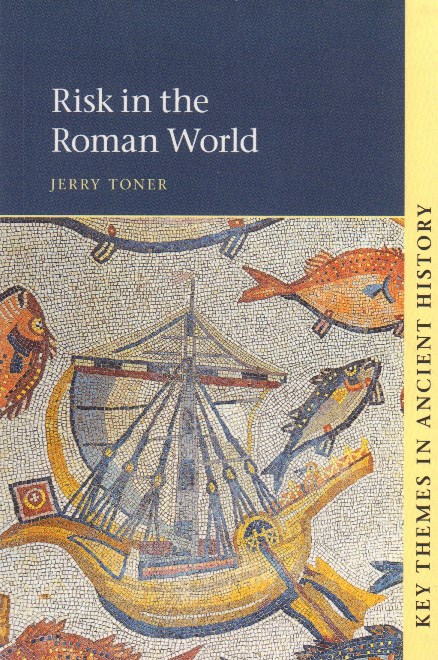
245 10|aRisk in the Roman world /|cJerry Toner.
250 |aFirst published.
260 |aCambridge, UK ;|aNew York, NY :|bCambridge University Press,|c2024.
300 |aviii, 147 sayfa ;|c23 cm.
490 0 |aKey themes in ancient history
500 |aİndeks s. 144-147.
504 |aBibliyografya s. 134-143.
504 |aOkuma listesi s. 130-133.
505 |aRisk and Uncertainty --|tA World Full of Risks --|tA Risk Culture --|tRisk Management --|tMoral Hazards : Constructing Risk --|tConclusion --|tFurther Reading --|tBibliography --|tIndex.
520 |a“Modern risk studies have viewed the inhabitants of the ancient world as being both dominated by fate and exposed to fewer risks, but this very readable and groundbreaking new book challenges these views. It shows that the Romans inhabited a world full of danger and also that they not only understood uncertainty but employed a variety of ways to help to affect future outcomes. The first section focuses on the range of cultural attitudes and traditional practices that served to help control risk, particularly among the non-elite population. The book also examines the increasingly sophisticated areas of expertise, such as the law, logistics and maritime loans, which served to limit uncertainty in a systematic manner. Religious expertise in the form of dream interpretation and oracles also developed new ways of dealing with the future and the implicit biases of these sources can reveal much about ancient attitudes to risk.” --|cArka kapak.
650 4|aRisk|zRoma.
650 4|aRisk yönetimi|zRoma.
650 4|aMedeniyet|zRoma.