LEADER 02171naaaa2200349aa54500
001 606404
003 TR_AnAIT
005 20250627085519
006 a||||e |||| 001 0d
007 ta
008 240614s2021 enk||||e |||| 001 0deng c
020 |a9780367694920
020 |a9781138354715|q(hbk)
020 |a9780429424601|q(ebk)
040 |aTTK
041 |aeng
049 |aTürk Tarih Kurumu Kütüphanesi
090 |aA.IX/7779
100 1 |aSuzuki, Yu.
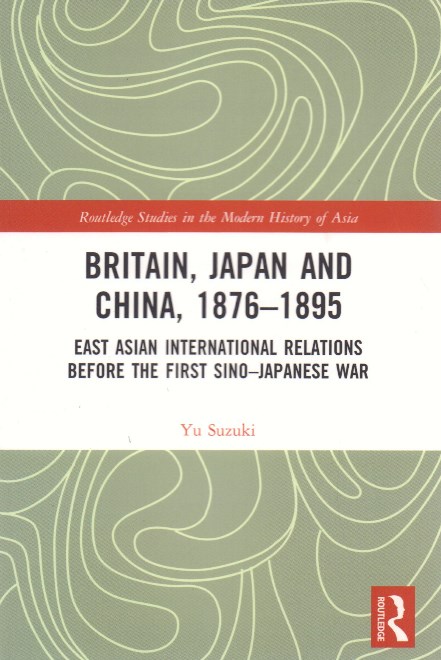
245 10|aBritain, Japan and China, 1876-1895 :|bEast Asian international relations before the first Sino-Japanese War /|cYu Suzuki.
250 |aFirst published.
260 |aAbingdon, Oxon ;|aNew York, NY :|bRoutledge,|c2021.
300 |axii, 222 sayfa ;|c23 cm.
490 0 |aRoutledge studies in the modern history of Asia ;|v158
500 |aİndeks s. [218]-222.
504 |aBibliyografya s. [201]-217.
520 |a“This book revises the conventional wisdom about the Anglo-Japanese relationship in the late nineteenth century that these two countries were bound by mutual sympathy and common interests, and therefore the common ground which led to the signing of the Anglo-Japanese Alliance in 1902 had already existed in the 1880s. Such understanding fails to take account of the fact that the Qing dynasty of China had emerged as the strongest regional power in East Asia by reasserting its influence as the traditional suzerain of the region in the years prior to the First Sino-Japanese War. The British and the Japanese governments clearly recognised that it would become difficult to maintain their interests in East Asia if they antagonised the Qing by challenging its claim of suzerainty over Korea. It was difficult for them to come to closer terms when their priority before 1894-5 was to maintain good relations with China, and when they were also experiencing numerous diplomatic difficulties with each other“--|cYayıncı.
650 4|aÇin-Japon Savaşı, 1894-1895.
651 4|aDoğu Asya|xYönetim ve politikalar.
651 4|aDoğu Asya|xDış ilişkiler|zBüyük Britanya|y19. yy.
651 4|aBüyük Britanya|xDış ilişkiler|zDoğu Asya|y19. yy.