LEADER 01772naaaa2200325aa54500
001 606842
003 TR_AnAIT
005 20250627083510
006 aal||e |||| 001 0d
007 ta
008 241009s2024 enk||||e |||| 001 0deng c
020 |a9781350297845|q(pb)
020 |a9781350297838|q(hb)
020 |a9781350297807|q(ePDF)
020 |a9781350297814|q(ebook)
040 |aTTK
041 |aeng
049 |aTürk Tarih Kurumu Kütüphanesi
090 |aA.IX/8472
100 1 |aFairfield, Paul,|d1966-
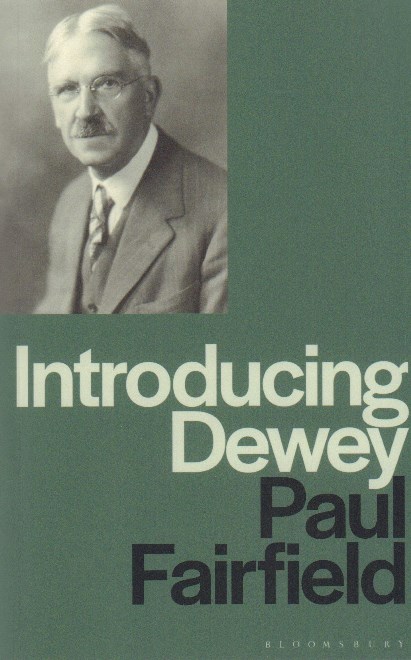
245 10|aIntroducing Dewey /|cPaul Fairfield.
260 |aLondon ; New York :|bBloomsbury Academic,|c© 2024.
300 |a228 sayfa ;|c22 cm
500 |aİndeks s. [226]-228.
504 |aBibliyografya s. [217]-225.
520 |a''This introduction to one of the most influential philosophers in American history examines every major dimension of John Dewey's philosophy, from his early post-Hegelian idealism to pragmatic experimentalism, as well as his views on ethics and political theory, philosophy of education, aesthetics, and philosophy of religion. It situates Dewey's thought in the context of his time (1859-1952) and personal biography while also discussing his considerable work as America's foremost public intellectual through the first half of the 20th century. With a particular focus on how Dewey's thought can be applied to real life and its particular relevance to the contemporary moment, Introducing Dewey is the ideal starting point for anyone with an interest in this seminal figure in American philosophy.'' --|cArka kapak.
600 14|aDewey, John, 1859-1952|vBiyografiler.
650 4|aFilozoflar|zAmerika Birleşik Devletleri|y20. yy.
650 4|aEntelektüeller|zAmerika Birleşik Devletleri|y20. yy.