LEADER 02393naaaa2200361aa54500
001 606849
003 TR_AnAIT
005 20250627083448
006 aoabee |||| 001 0d
007 ta
008 241115s2021 stkoabee |||| 001 0deng c
020 |a9781474452373|q(paperback)
020 |a9781474452366|q(hardback)
020 |a9781474452380|q(webready PDF)
020 |a9781474452397|q(epub)
040 |aTTK
041 |aeng
049 |aTürk Tarih Kurumu Kütüphanesi
090 |aA.IX/8816
100 1 |aColburn, Henry P.
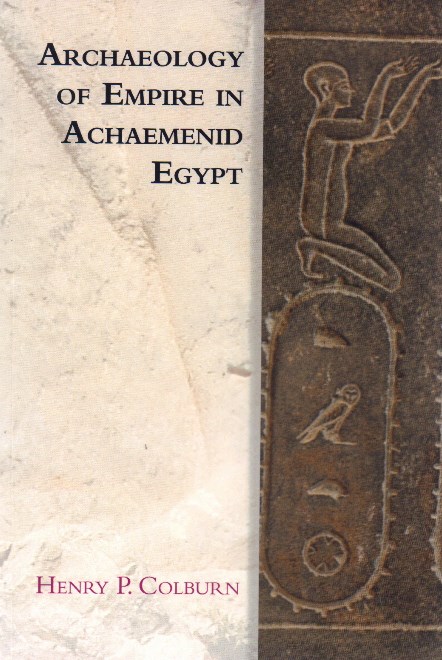
245 10|aArchaeology of Empire in Achaemenid Egypt /|cHenry P. Colburn.
260 |aEdinburgh :|bEdinburgh University Press,|c2021.
300 |axix, 318 sayfa, [2] sayfa harita :|bresim, çizim, harita, plan, kroki, grafik, tablo ;|c23 cm.
490 0 |aEdinburgh studies in ancient Persia
500 |aİndeks s. 313-318.
504 |aBibliyografya s. 259-312.
505 |tList of Figures --|tList of Tables --|tAcknowledgments --|tNote on Conventions and Abbreviations --|tSeries Editor’s Preface --|tThe Study of Achaemenid Egypt --|tUrban Experiences : Memphis --|tRural Experiences : The Western Desert --|tRepresentation and Identity --|tSocial Practices : Drinking Like a Persian --|tCoinage and the Egyptian Economy --|tExperiencing Achaemenid Egypt --|tBibliography --|tIndex.
520 |a“A study of the material culture of Egypt during the period of Achaemenid Persian rule, c. 526-404 BCE. Previous studies have characterised Achaemenid rule of Egypt either as ephemeral and weak or oppressive and harsh. These characterisations, however, are based on the perceived lack of evidence for this period, filtered through ancient and modern preconceptions about the Persians. Henry Colburn challenges these views by assembling and analyzing the archaeological remains from this period, including temples, tombs, irrigation works, statues, stelae, sealings, drinking vessels and coins. By looking at the decisions made about material culture - by Egyptians, Persians and others - it becomes possible to see both how the Persians integrated Egypt into their empire and the full range of experiences people had as a result.” --|cArka kapak.
650 4|aAhamenişler, MÖ 550-331.
650 4|aArkeolojik kazılar|zMısır|yMÖ 525-404.
651 4|aMısır|xTarih|yMÖ 525-404.
651 4|aİran|xTarih|yMÖ 550-330.