LEADER 01998naaaa2200301aa54500
001 606852
003 TR_AnAIT
005 20250627083438
006 aoa||e |||| 001 0d
007 ta
008 241120s2012 enkoa||e |||| 001 0deng c
020 |a9781780760261
040 |aTTK
041 |aeng
049 |aTürk Tarih Kurumu Kütüphanesi
090 |aA.IX/8823
100 1 |aİnce, Başak.
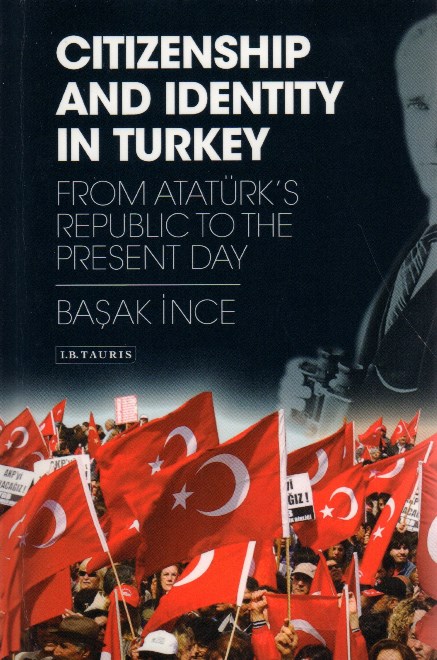
245 10|aCitizenship and identity in Turkey :|bfrom Atatürk's republic to the present day /|cBaşak İnce.
260 |aLondon ;|aNew York :|bI.B. Tauris,|c2012.
300 |axii, 292 sayfa :|bresim, çizim, tıpkıbasım ;|c22 cm.
490 0 |aLibrary of Modern Turkey ;|v5
500 |aİndeks s. [287]-292.
504 |aBibliyografya s. [257]-285.
504 |aBibliyografik notlar s. [207]-256.
520 |a“Is Turkish nationalism simply a product of Kemalist propaganda from the early Turkish Republic or an inevitable consequence of a firm and developing 'Turkish' identity? How do the politics of nationalism and identity limit Turkey's progression towards a fuller, more institutionalised democracy? Turkish citizenship is a vital aspect of today's Republic, and yet it has long been defined only through legal framework, neglecting its civil, political, and social implications. Here, Basak Ince seeks to rectify this, examining the identity facets of citizenship, and how this relates to nationalism, democracy and political participation in the modern Turkish republic. By tracing the development of the citizenship from the initial founding of the Republic to the immediate post-World War II period, and from the military interventions of the 1960s, 1970s and 1980s to the present day, she offers in-depth analysis of the interaction of state and society in modern Turkey, which holds wider implications for the study of the Middle East.” --|cYayıncı.
650 4|aVatandaşlık|zTürkiye|xTarih|y20-21. yy.
650 4|aMilliyetçilik|zTürkiye|xTarih|y20-21. yy.