

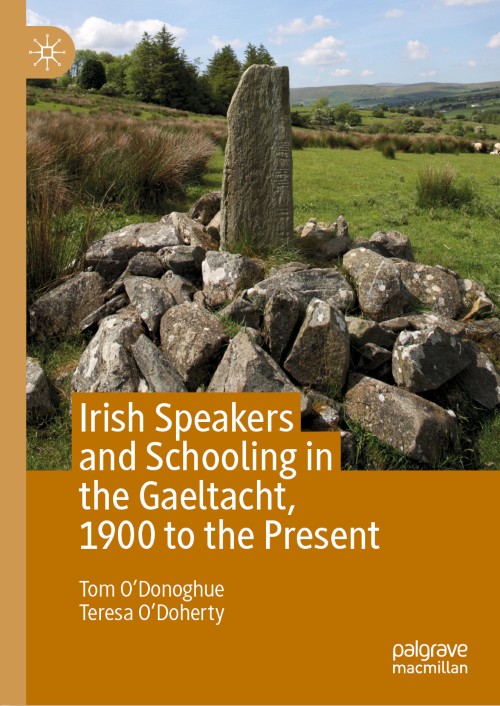
Irish Speakers and Schooling in the Gaeltacht, 1900 to the Present [electronic resource] / by Tom O'Donoghue, Teresa O'Doherty.
Erişim Adresi
ISBN
9783030260217
Dil Kodu
İngilizce
Yer Numarası
DK/1361
Yazar
Basım Bildirimi
1st ed. 2019.
Yayın Bilgisi
Cham : Springer International Publishing : Imprint: Palgrave Macmillan, 2019.
Fiziksel Niteleme
XXII, 265 p. online resource.
İçindekiler Notu
Prologue -- Chapter One - The Gaeltacht: Constructed, Located and Promoted -- Chapter Two - Education and the Irish Language in the Longue Durée -- Chapter Three - 'Saving the Child': The Gaelic League’s Campaign for Bilingual Education in Irish Speaking Districts -- Chapter Four - Shifting From ‘Saving the Child’ To Concern About ‘Saving the Language’, 1918-1926 -- Chapter Five - Schooling of Students from the Gaeltacht and the National Policy of ‘Saving of the Language’ through All Primary Schools, 1922-1965 -- Chapter Six - Marginalized Amongst the Marginalized: An Overview of Schooling in the Gaeltacht up to the Mid 1960s -- Chapter Seven - ‘You Don’t Want to be a Gaelic Dafty in This Town’: Memories of Gaeltacht Residents on their Schooling -- Chapter Eight - From Cultural Nationalism to Human Capital Production: Schooling in the Gaeltacht in a Changing Ireland, 1967-1988 -- Chapter Nine - A New Multilingual Ireland and Schooling in the Gaeltacht, 1998 to the Present -- Chapter Ten - Looking Backwards.
Özet, vb.
This book offers the first full-length study of the education of children living within the Gaeltacht, the Irish-speaking communities in Ireland, from 1900 to the present day. While Irish was once the most common language spoken in Ireland, by 1900 the areas in which native speakers of Irish were located contracted to such an extent that they became clearly identifiable from the majority English-speaking parts. In the mid-1920s, the new Irish Free State outlined the broad parameters of the boundaries of these areas under the title of ‘the Gaeltacht’. This book is concerned with the schooling of children there. The Irish Free State, from its establishment in 1922, eulogized the people of the Gaeltacht, maintaining they were pious, heroic and holders of the characteristics of an invented ancient Irish race. Simultaneously, successive governments did very little to try to regenerate the Gaeltacht or to ensure Gaeltacht children would enjoy equality of education opportunity. Furthermore, children in the Gaeltacht had to follow the same primary school curriculum as was prescribed for the majority English speaking population. The central theme elaborated on throughout the book is that this schooling was one of a number of forces that served to maintain the people of the Gaeltacht in a marginalized position in Irish society.
Konu
Great Britain __ History.
Education __ History.
Language policy.
Civilization __ History.
Collective memory.
History of Britain and Ireland.
History of Education.
Language Policy and Planning.
Cultural History.
Memory Studies.
Education __ History.
Language policy.
Civilization __ History.
Collective memory.
History of Britain and Ireland.
History of Education.
Language Policy and Planning.
Cultural History.
Memory Studies.
Diğer Yazarlar
Eseri Alıntıla
Referansları kullanmadan önce gözden geçirmeniz ve varsa gerekli düzeltmeleri yapmanız önerilir.
Dijital Kaynak
MARC Görünümü
LEADER 04327nam a22005535i 4500
001 608688
003 TR_AnAIT
005 20250627072450
007 cr nn 008mamaa
008 190802s2019 sz | s |||| 0|eng d
020 |a9783030260217|9978-3-030-26021-7
024 7 |a10.1007/978-3-030-26021-7|2doi
041 |aeng
049 |aTürk Tarih Kurumu Kütüphanesi
050 4|aDA1-995
072 7|aHBJD1|2bicssc
072 7|aHIS015000|2bisacsh
072 7|aNHD|x1DD|2thema
082 04|a941|223
090 |aDK/1361
100 1 |aO'Donoghue, Tom.|eauthor.|4aut|4http://id.loc.gov/vocabulary/relators/aut
245 10|aIrish Speakers and Schooling in the Gaeltacht, 1900 to the Present|h[electronic resource] /|cby Tom O'Donoghue, Teresa O'Doherty.
250 |a1st ed. 2019.
264 1|aCham :|bSpringer International Publishing :|bImprint: Palgrave Macmillan,|c2019.
300 |aXXII, 265 p.|bonline resource.
336 |atext|btxt|2rdacontent
337 |acomputer|bc|2rdamedia
338 |aonline resource|bcr|2rdacarrier
347 |atext file|bPDF|2rda
505 0 |aPrologue -- Chapter One - The Gaeltacht: Constructed, Located and Promoted -- Chapter Two - Education and the Irish Language in the Longue Durée -- Chapter Three - 'Saving the Child': The Gaelic League’s Campaign for Bilingual Education in Irish Speaking Districts -- Chapter Four - Shifting From ‘Saving the Child’ To Concern About ‘Saving the Language’, 1918-1926 -- Chapter Five - Schooling of Students from the Gaeltacht and the National Policy of ‘Saving of the Language’ through All Primary Schools, 1922-1965 -- Chapter Six - Marginalized Amongst the Marginalized: An Overview of Schooling in the Gaeltacht up to the Mid 1960s -- Chapter Seven - ‘You Don’t Want to be a Gaelic Dafty in This Town’: Memories of Gaeltacht Residents on their Schooling -- Chapter Eight - From Cultural Nationalism to Human Capital Production: Schooling in the Gaeltacht in a Changing Ireland, 1967-1988 -- Chapter Nine - A New Multilingual Ireland and Schooling in the Gaeltacht, 1998 to the Present -- Chapter Ten - Looking Backwards.
520 |aThis book offers the first full-length study of the education of children living within the Gaeltacht, the Irish-speaking communities in Ireland, from 1900 to the present day. While Irish was once the most common language spoken in Ireland, by 1900 the areas in which native speakers of Irish were located contracted to such an extent that they became clearly identifiable from the majority English-speaking parts. In the mid-1920s, the new Irish Free State outlined the broad parameters of the boundaries of these areas under the title of ‘the Gaeltacht’. This book is concerned with the schooling of children there. The Irish Free State, from its establishment in 1922, eulogized the people of the Gaeltacht, maintaining they were pious, heroic and holders of the characteristics of an invented ancient Irish race. Simultaneously, successive governments did very little to try to regenerate the Gaeltacht or to ensure Gaeltacht children would enjoy equality of education opportunity. Furthermore, children in the Gaeltacht had to follow the same primary school curriculum as was prescribed for the majority English speaking population. The central theme elaborated on throughout the book is that this schooling was one of a number of forces that served to maintain the people of the Gaeltacht in a marginalized position in Irish society.
650 0|aGreat Britain|xHistory.
650 0|aEducation|xHistory.
650 0|aLanguage policy.
650 0|aCivilization|xHistory.
650 0|aCollective memory.
650 14|aHistory of Britain and Ireland.
650 24|aHistory of Education.
650 24|aLanguage Policy and Planning.
650 24|aCultural History.
650 24|aMemory Studies.
700 1 |aO'Doherty, Teresa.|eauthor.|4aut|4http://id.loc.gov/vocabulary/relators/aut
773 0 |tSpringer Nature eBook
776 08|iPrinted edition:|z9783030260200
776 08|iPrinted edition:|z9783030260224
776 08|iPrinted edition:|z9783030260231
856 40|uhttps://doi.org/10.1007/978-3-030-26021-7
912 |aZDB-2-HTY
912 |aZDB-2-SXH
950 |aHistory (SpringerNature-41172)
950 |aHistory (R0) (SpringerNature-43722)
001 608688
003 TR_AnAIT
005 20250627072450
007 cr nn 008mamaa
008 190802s2019 sz | s |||| 0|eng d
020 |a9783030260217|9978-3-030-26021-7
024 7 |a10.1007/978-3-030-26021-7|2doi
041 |aeng
049 |aTürk Tarih Kurumu Kütüphanesi
050 4|aDA1-995
072 7|aHBJD1|2bicssc
072 7|aHIS015000|2bisacsh
072 7|aNHD|x1DD|2thema
082 04|a941|223
090 |aDK/1361
100 1 |aO'Donoghue, Tom.|eauthor.|4aut|4http://id.loc.gov/vocabulary/relators/aut
245 10|aIrish Speakers and Schooling in the Gaeltacht, 1900 to the Present|h[electronic resource] /|cby Tom O'Donoghue, Teresa O'Doherty.
250 |a1st ed. 2019.
264 1|aCham :|bSpringer International Publishing :|bImprint: Palgrave Macmillan,|c2019.
300 |aXXII, 265 p.|bonline resource.
336 |atext|btxt|2rdacontent
337 |acomputer|bc|2rdamedia
338 |aonline resource|bcr|2rdacarrier
347 |atext file|bPDF|2rda
505 0 |aPrologue -- Chapter One - The Gaeltacht: Constructed, Located and Promoted -- Chapter Two - Education and the Irish Language in the Longue Durée -- Chapter Three - 'Saving the Child': The Gaelic League’s Campaign for Bilingual Education in Irish Speaking Districts -- Chapter Four - Shifting From ‘Saving the Child’ To Concern About ‘Saving the Language’, 1918-1926 -- Chapter Five - Schooling of Students from the Gaeltacht and the National Policy of ‘Saving of the Language’ through All Primary Schools, 1922-1965 -- Chapter Six - Marginalized Amongst the Marginalized: An Overview of Schooling in the Gaeltacht up to the Mid 1960s -- Chapter Seven - ‘You Don’t Want to be a Gaelic Dafty in This Town’: Memories of Gaeltacht Residents on their Schooling -- Chapter Eight - From Cultural Nationalism to Human Capital Production: Schooling in the Gaeltacht in a Changing Ireland, 1967-1988 -- Chapter Nine - A New Multilingual Ireland and Schooling in the Gaeltacht, 1998 to the Present -- Chapter Ten - Looking Backwards.
520 |aThis book offers the first full-length study of the education of children living within the Gaeltacht, the Irish-speaking communities in Ireland, from 1900 to the present day. While Irish was once the most common language spoken in Ireland, by 1900 the areas in which native speakers of Irish were located contracted to such an extent that they became clearly identifiable from the majority English-speaking parts. In the mid-1920s, the new Irish Free State outlined the broad parameters of the boundaries of these areas under the title of ‘the Gaeltacht’. This book is concerned with the schooling of children there. The Irish Free State, from its establishment in 1922, eulogized the people of the Gaeltacht, maintaining they were pious, heroic and holders of the characteristics of an invented ancient Irish race. Simultaneously, successive governments did very little to try to regenerate the Gaeltacht or to ensure Gaeltacht children would enjoy equality of education opportunity. Furthermore, children in the Gaeltacht had to follow the same primary school curriculum as was prescribed for the majority English speaking population. The central theme elaborated on throughout the book is that this schooling was one of a number of forces that served to maintain the people of the Gaeltacht in a marginalized position in Irish society.
650 0|aGreat Britain|xHistory.
650 0|aEducation|xHistory.
650 0|aLanguage policy.
650 0|aCivilization|xHistory.
650 0|aCollective memory.
650 14|aHistory of Britain and Ireland.
650 24|aHistory of Education.
650 24|aLanguage Policy and Planning.
650 24|aCultural History.
650 24|aMemory Studies.
700 1 |aO'Doherty, Teresa.|eauthor.|4aut|4http://id.loc.gov/vocabulary/relators/aut
773 0 |tSpringer Nature eBook
776 08|iPrinted edition:|z9783030260200
776 08|iPrinted edition:|z9783030260224
776 08|iPrinted edition:|z9783030260231
856 40|uhttps://doi.org/10.1007/978-3-030-26021-7
912 |aZDB-2-HTY
912 |aZDB-2-SXH
950 |aHistory (SpringerNature-41172)
950 |aHistory (R0) (SpringerNature-43722)
Materyaller
Depodan talep edilen materyal sadece kütüphane içerisinde kullanılmaktadır.
Materyal dışarıya ödünç verilmemektedir.
Materyal dışarıya ödünç verilmemektedir.
