LEADER 03571nam a22006135i 4500
001 610254
003 TR_AnAIT
005 20250627063214
007 cr nn 008mamaa
008 200910s2020 sz | s |||| 0|eng d
020 |a9783030465346|9978-3-030-46534-6
024 7 |a10.1007/978-3-030-46534-6|2doi
041 |aeng
049 |aTürk Tarih Kurumu Kütüphanesi
050 4|aD1-2027
072 7|aHB|2bicssc
072 7|aHBAH|2bicssc
072 7|aHIS000000|2bisacsh
072 7|aNH|2thema
072 7|aNHAH|2thema
082 04|a900|223
090 |aDK/2926
100 1 |aCrawford, Paul.|eauthor.|4aut|4http://id.loc.gov/vocabulary/relators/aut
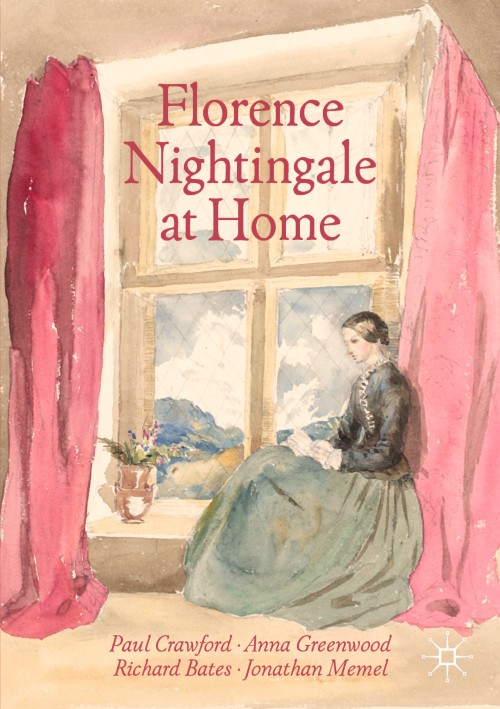
245 10|aFlorence Nightingale at Home|h[electronic resource] /|cby Paul Crawford, Anna Greenwood, Richard Bates, Jonathan Memel.
250 |a1st ed. 2020.
264 1|aCham :|bSpringer International Publishing :|bImprint: Palgrave Macmillan,|c2020.
300 |aXIX, 263 p. 24 illus., 14 illus. in color.|bonline resource.
336 |atext|btxt|2rdacontent
337 |acomputer|bc|2rdamedia
338 |aonline resource|bcr|2rdacarrier
347 |atext file|bPDF|2rda
505 0 |a1. Home Sweet Home? -- 2. Childhood Homes -- 3. Leaving Home -- 4. Health at Home -- 5. Homely Institutions -- 6. Home Front -- 7. Working from Home -- 8. Spiritual Home -- 9. Afterlife.
520 |aHomes can be both comforting and troubling places. This timely book proposes a new understanding of Florence Nightingale’s experiences of domestic life and how ideas of home influenced her writings and pioneering work. From her childhood homes in Derbyshire and Hampshire, she visited the poor sick in their cottages. As a young woman, feeling imprisoned at home, she broke free to become a woman of action, bringing home comforts to the soldiers in the Crimean War and advising the British population on the home front how to create healthier, contagion-free homes. Later, she created Nightingale Homes for nursing trainees and acted as mother-in-chief to her extended family of nurses. These efforts, inspired by her Christian faith and training in human care from religious houses, led to major changes in professional nursing and public health, as Nightingale strove for homely, compassionate care in Britain and around the world. Shedid most of this work from her bed after contracting the debilitating illness, brucellosis, in the Crimea, turning her various private homes into offices and ‘households of faith’. In the year of the bicentenary of her birth, she remains as relevant as ever, achieving an astonishing cultural afterlife.
650 0|aHistory.
650 0|aSocial history.
650 0|aMedicine|xHistory.
650 0|aSex.
650 0|aCivilization|xHistory.
650 0|aScience|xHistory.
650 14|aHistory.
650 24|aSocial History.
650 24|aHistory of Medicine.
650 24|aGender Studies.
650 24|aCultural History.
650 24|aHistory of Science.
700 1 |aGreenwood, Anna.|eauthor.|4aut|4http://id.loc.gov/vocabulary/relators/aut
700 1 |aBates, Richard.|eauthor.|4aut|4http://id.loc.gov/vocabulary/relators/aut
700 1 |aMemel, Jonathan.|eauthor.|4aut|4http://id.loc.gov/vocabulary/relators/aut
773 0 |tSpringer Nature eBook
776 08|iPrinted edition:|z9783030465339
776 08|iPrinted edition:|z9783030465353
856 40|uhttps://doi.org/10.1007/978-3-030-46534-6
912 |aZDB-2-HTY
912 |aZDB-2-SXH
950 |aHistory (SpringerNature-41172)
950 |aHistory (R0) (SpringerNature-43722)