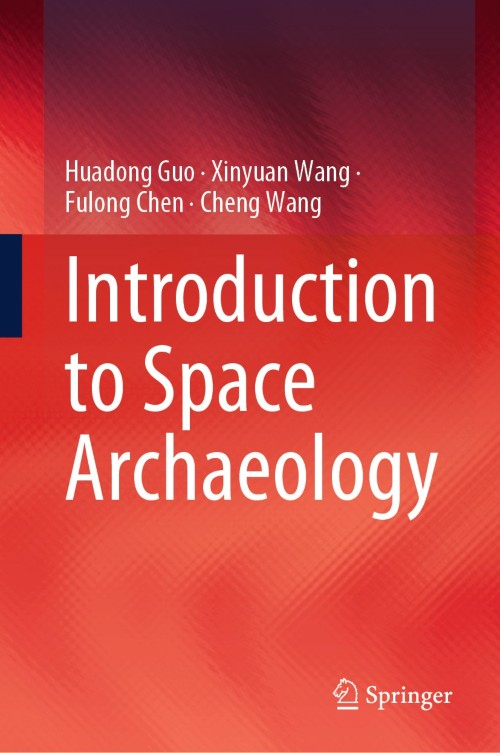
Introduction to Space Archaeology [electronic resource] / by Huadong Guo, Xinyuan Wang, Fulong Chen, Cheng Wang.
Erişim Adresi
ISBN
9789819969654
Dil Kodu
İngilizce
Yer Numarası
DK/2949
Yazar
Basım Bildirimi
1st ed. 2024.
Yayın Bilgisi
Singapore : Springer Nature Singapore : Imprint: Springer, 2024.
Fiziksel Niteleme
XIV, 403 p. 116 illus., 102 illus. in color. online resource.
İçindekiler Notu
Introduction -- Chapter 1. Earth Observation Technologies.-1. Remote sensing for Earth observation -- 2. Quantitative analysis of research literature on space observation of cultural heritage -- 3. Summary -- Chapter 2. Archaeology and Its Advances.-1. Origin of western archaeology.-2. Birth of archaeology in China.-3. Advances of archaeology in China -- 4. Basic techniques and methods in archaeology.-5. Theoretical developments of archaeology -- Chapter 3. Theory and Methods of Space Archaeology -- 1. Spatiotemporal features of archaeology.-2. Electromagnetic spectrum.-3. Applicability of space archaeology.-Chapter 4. Remote Sensing for Archaeological Survey.-1. Optical remote sensing for archaeological survey.-2. Microwave remote sensing for archaeological survey.-3. LiDAR remote sensing for archaeological survey.-Chapter 5. Integrated Technologies for Space Archaeology.-1. Geophysical technology.-2. Virtual reality.-technology.-3. Web technology.-4. Global navigation satellite system.-5. Geographical information system.-6. Big data.-Chapter 6. Interpretation of world cultural heritage sites from space.-1. Asia.-2. Europe.-3. Africa.-4. Americas -- Chapter 7. Interpretation of cultural heritage sites in China.-1. Silk Road.-2. Grand Canal.-3. Great Wall.-Chapter 8. Future of Space Archaeology.-1. Development of archaeology.-2. From archaeology to space archaeology.-3. Research agenda in space archaeology.-4. Disciplinary development and education in space archaeology.-5. Broad outlook of space archaeology for cultural heritage sites.-Appendix 1. International organizations on space archaeology.-Appendix 2. Major conferences on space archaeology.
Özet, vb.
This book presents the basic principles and the latest advances in space archaeology. Following general reviews of the state of the art of Earth observation technologies and archaeology, the book introduces the principles and methods of space archaeology, remote sensing methods for archaeological survey, and integrated archaeological survey methods including geophysics, virtual reality, web technologies, global positioning systems (GPS), geographical information systems (GIS), and big data. The book then presents two chapters on case studies of word heritage sites in Asia, Europe, Africa, and Americas, including three major world heritage sites in China: The Great Wall, Grand Canal, and Silk Road. The last chapter of the book discusses the future of space archaeology. This book has an interdisciplinary appeal and scholars with an interest in cultural heritage and remote sensing technologies for Earth value its contribution.
Konu
Cultural property.
Archaeology.
Biophysics.
Senses and sensation.
Archaeology __ Philosophy.
Building information modeling.
Archaeology and Heritage.
Sensory Systems.
Theoretical Archaeology.
Building Information Modeling.
Archaeology.
Biophysics.
Senses and sensation.
Archaeology __ Philosophy.
Building information modeling.
Archaeology and Heritage.
Sensory Systems.
Theoretical Archaeology.
Building Information Modeling.
Diğer Yazarlar

Eseri Alıntıla
Referansları kullanmadan önce gözden geçirmeniz ve varsa gerekli düzeltmeleri yapmanız önerilir.
Dijital Kaynak
MARC Görünümü
LEADER 04718nam a22005775i 4500
001 610277
003 TR_AnAIT
005 20250627063128
007 cr nn 008mamaa
008 240216s2024 si | s |||| 0|eng d
020 |a9789819969654|9978-981-99-6965-4
024 7 |a10.1007/978-981-99-6965-4|2doi
041 |aeng
049 |aTürk Tarih Kurumu Kütüphanesi
050 4|aCC135-137
072 7|aHD|2bicssc
072 7|aSOC003000|2bisacsh
072 7|aNK|2thema
082 04|a930.1|223
090 |aDK/2949
100 1 |aGuo, Huadong.|eauthor.|4aut|4http://id.loc.gov/vocabulary/relators/aut
245 10|aIntroduction to Space Archaeology|h[electronic resource] /|cby Huadong Guo, Xinyuan Wang, Fulong Chen, Cheng Wang.
250 |a1st ed. 2024.
264 1|aSingapore :|bSpringer Nature Singapore :|bImprint: Springer,|c2024.
300 |aXIV, 403 p. 116 illus., 102 illus. in color.|bonline resource.
336 |atext|btxt|2rdacontent
337 |acomputer|bc|2rdamedia
338 |aonline resource|bcr|2rdacarrier
347 |atext file|bPDF|2rda
505 0 |aIntroduction -- Chapter 1. Earth Observation Technologies.-1. Remote sensing for Earth observation -- 2. Quantitative analysis of research literature on space observation of cultural heritage -- 3. Summary -- Chapter 2. Archaeology and Its Advances.-1. Origin of western archaeology.-2. Birth of archaeology in China.-3. Advances of archaeology in China -- 4. Basic techniques and methods in archaeology.-5. Theoretical developments of archaeology -- Chapter 3. Theory and Methods of Space Archaeology -- 1. Spatiotemporal features of archaeology.-2. Electromagnetic spectrum.-3. Applicability of space archaeology.-Chapter 4. Remote Sensing for Archaeological Survey.-1. Optical remote sensing for archaeological survey.-2. Microwave remote sensing for archaeological survey.-3. LiDAR remote sensing for archaeological survey.-Chapter 5. Integrated Technologies for Space Archaeology.-1. Geophysical technology.-2. Virtual reality.-technology.-3. Web technology.-4. Global navigation satellite system.-5. Geographical information system.-6. Big data.-Chapter 6. Interpretation of world cultural heritage sites from space.-1. Asia.-2. Europe.-3. Africa.-4. Americas -- Chapter 7. Interpretation of cultural heritage sites in China.-1. Silk Road.-2. Grand Canal.-3. Great Wall.-Chapter 8. Future of Space Archaeology.-1. Development of archaeology.-2. From archaeology to space archaeology.-3. Research agenda in space archaeology.-4. Disciplinary development and education in space archaeology.-5. Broad outlook of space archaeology for cultural heritage sites.-Appendix 1. International organizations on space archaeology.-Appendix 2. Major conferences on space archaeology.
520 |aThis book presents the basic principles and the latest advances in space archaeology. Following general reviews of the state of the art of Earth observation technologies and archaeology, the book introduces the principles and methods of space archaeology, remote sensing methods for archaeological survey, and integrated archaeological survey methods including geophysics, virtual reality, web technologies, global positioning systems (GPS), geographical information systems (GIS), and big data. The book then presents two chapters on case studies of word heritage sites in Asia, Europe, Africa, and Americas, including three major world heritage sites in China: The Great Wall, Grand Canal, and Silk Road. The last chapter of the book discusses the future of space archaeology. This book has an interdisciplinary appeal and scholars with an interest in cultural heritage and remote sensing technologies for Earth value its contribution.
650 0|aCultural property.
650 0|aArchaeology.
650 0|aBiophysics.
650 0|aSenses and sensation.
650 0|aArchaeology|xPhilosophy.
650 0|aBuilding information modeling.
650 14|aArchaeology and Heritage.
650 24|aSensory Systems.
650 24|aTheoretical Archaeology.
650 24|aBuilding Information Modeling.
700 1 |aWang, Xinyuan.|eauthor.|4aut|4http://id.loc.gov/vocabulary/relators/aut
700 1 |aChen, Fulong.|eauthor.|4aut|4http://id.loc.gov/vocabulary/relators/aut
700 1 |aWang, Cheng.|eauthor.|4aut|4http://id.loc.gov/vocabulary/relators/aut
773 0 |tSpringer Nature eBook
776 08|iPrinted edition:|z9789819969647
776 08|iPrinted edition:|z9789819969661
776 08|iPrinted edition:|z9789819969678
856 40|uhttps://doi.org/10.1007/978-981-99-6965-4
912 |aZDB-2-HTY
912 |aZDB-2-SXH
950 |aHistory (SpringerNature-41172)
950 |aHistory (R0) (SpringerNature-43722)
001 610277
003 TR_AnAIT
005 20250627063128
007 cr nn 008mamaa
008 240216s2024 si | s |||| 0|eng d
020 |a9789819969654|9978-981-99-6965-4
024 7 |a10.1007/978-981-99-6965-4|2doi
041 |aeng
049 |aTürk Tarih Kurumu Kütüphanesi
050 4|aCC135-137
072 7|aHD|2bicssc
072 7|aSOC003000|2bisacsh
072 7|aNK|2thema
082 04|a930.1|223
090 |aDK/2949
100 1 |aGuo, Huadong.|eauthor.|4aut|4http://id.loc.gov/vocabulary/relators/aut
245 10|aIntroduction to Space Archaeology|h[electronic resource] /|cby Huadong Guo, Xinyuan Wang, Fulong Chen, Cheng Wang.
250 |a1st ed. 2024.
264 1|aSingapore :|bSpringer Nature Singapore :|bImprint: Springer,|c2024.
300 |aXIV, 403 p. 116 illus., 102 illus. in color.|bonline resource.
336 |atext|btxt|2rdacontent
337 |acomputer|bc|2rdamedia
338 |aonline resource|bcr|2rdacarrier
347 |atext file|bPDF|2rda
505 0 |aIntroduction -- Chapter 1. Earth Observation Technologies.-1. Remote sensing for Earth observation -- 2. Quantitative analysis of research literature on space observation of cultural heritage -- 3. Summary -- Chapter 2. Archaeology and Its Advances.-1. Origin of western archaeology.-2. Birth of archaeology in China.-3. Advances of archaeology in China -- 4. Basic techniques and methods in archaeology.-5. Theoretical developments of archaeology -- Chapter 3. Theory and Methods of Space Archaeology -- 1. Spatiotemporal features of archaeology.-2. Electromagnetic spectrum.-3. Applicability of space archaeology.-Chapter 4. Remote Sensing for Archaeological Survey.-1. Optical remote sensing for archaeological survey.-2. Microwave remote sensing for archaeological survey.-3. LiDAR remote sensing for archaeological survey.-Chapter 5. Integrated Technologies for Space Archaeology.-1. Geophysical technology.-2. Virtual reality.-technology.-3. Web technology.-4. Global navigation satellite system.-5. Geographical information system.-6. Big data.-Chapter 6. Interpretation of world cultural heritage sites from space.-1. Asia.-2. Europe.-3. Africa.-4. Americas -- Chapter 7. Interpretation of cultural heritage sites in China.-1. Silk Road.-2. Grand Canal.-3. Great Wall.-Chapter 8. Future of Space Archaeology.-1. Development of archaeology.-2. From archaeology to space archaeology.-3. Research agenda in space archaeology.-4. Disciplinary development and education in space archaeology.-5. Broad outlook of space archaeology for cultural heritage sites.-Appendix 1. International organizations on space archaeology.-Appendix 2. Major conferences on space archaeology.
520 |aThis book presents the basic principles and the latest advances in space archaeology. Following general reviews of the state of the art of Earth observation technologies and archaeology, the book introduces the principles and methods of space archaeology, remote sensing methods for archaeological survey, and integrated archaeological survey methods including geophysics, virtual reality, web technologies, global positioning systems (GPS), geographical information systems (GIS), and big data. The book then presents two chapters on case studies of word heritage sites in Asia, Europe, Africa, and Americas, including three major world heritage sites in China: The Great Wall, Grand Canal, and Silk Road. The last chapter of the book discusses the future of space archaeology. This book has an interdisciplinary appeal and scholars with an interest in cultural heritage and remote sensing technologies for Earth value its contribution.
650 0|aCultural property.
650 0|aArchaeology.
650 0|aBiophysics.
650 0|aSenses and sensation.
650 0|aArchaeology|xPhilosophy.
650 0|aBuilding information modeling.
650 14|aArchaeology and Heritage.
650 24|aSensory Systems.
650 24|aTheoretical Archaeology.
650 24|aBuilding Information Modeling.
700 1 |aWang, Xinyuan.|eauthor.|4aut|4http://id.loc.gov/vocabulary/relators/aut
700 1 |aChen, Fulong.|eauthor.|4aut|4http://id.loc.gov/vocabulary/relators/aut
700 1 |aWang, Cheng.|eauthor.|4aut|4http://id.loc.gov/vocabulary/relators/aut
773 0 |tSpringer Nature eBook
776 08|iPrinted edition:|z9789819969647
776 08|iPrinted edition:|z9789819969661
776 08|iPrinted edition:|z9789819969678
856 40|uhttps://doi.org/10.1007/978-981-99-6965-4
912 |aZDB-2-HTY
912 |aZDB-2-SXH
950 |aHistory (SpringerNature-41172)
950 |aHistory (R0) (SpringerNature-43722)
Materyaller
Depodan talep edilen materyal sadece kütüphane içerisinde kullanılmaktadır.
Materyal dışarıya ödünç verilmemektedir.
