LEADER 04193nam a22005775i 4500
001 610456
003 TR_AnAIT
005 20250627062538
007 cr nn 008mamaa
008 241101s2024 si | s |||| 0|eng d
020 |a9789819760121|9978-981-97-6012-1
024 7 |a10.1007/978-981-97-6012-1|2doi
041 |aeng
049 |aTürk Tarih Kurumu Kütüphanesi
050 4|aCB3-481
072 7|aHBTB|2bicssc
072 7|aHIS054000|2bisacsh
072 7|aNHTB|2thema
082 04|a306.09|223
090 |aDK/3128
100 1 |aLi, Ling.|eauthor.|4aut|4http://id.loc.gov/vocabulary/relators/aut
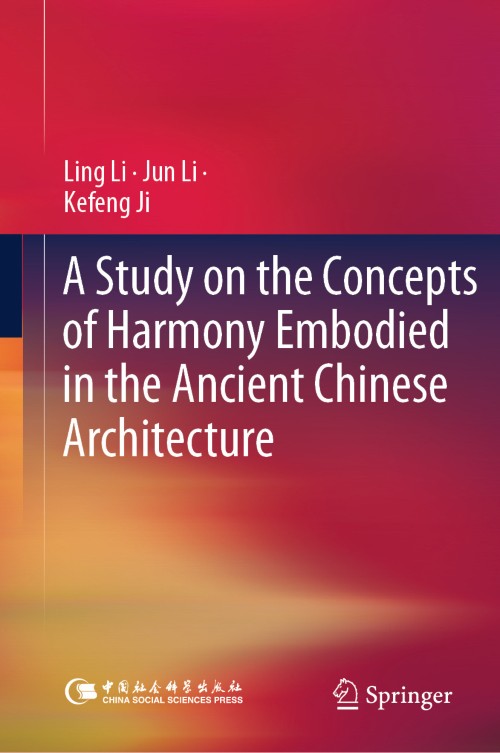
245 12|aA Study on the Concepts of Harmony Embodied in the Ancient Chinese Architecture|h[electronic resource] /|cby Ling Li, Jun Li, Kefeng Ji.
250 |a1st ed. 2024.
264 1|aSingapore :|bSpringer Nature Singapore :|bImprint: Springer,|c2024.
300 |aVII, 216 p. 31 illus., 3 illus. in color.|bonline resource.
336 |atext|btxt|2rdacontent
337 |acomputer|bc|2rdamedia
338 |aonline resource|bcr|2rdacarrier
347 |atext file|bPDF|2rda
505 0 |aIntroduction -- Chapter One Factors Contributing to the Formation of Concepts of Harmony -- Harmony Between Humans and Nature -- Harmony Between Humans and Society: Ethics and Orders -- Harmony Between Mind and Body: Integrated and Distilled Ideals -- Different Concepts of Harmony Between Ancient Chinese and Western Architecture -- Patterns to Establish the Concepts of Harmony in Modern Architecture.
520 |aThis book explores the core concept of Chinese ancient architecture from a multidisciplinary perspective. It aims to contribute to the development, inheritance, and protection of Chinese ancient architectural culture, while also benefiting the sustainable development of modern architecture. This book follows a main line of inquiry, exploring the rich and harmonious ideas present in Chinese ancient architecture. It combines the traditional Chinese culture and architectural ideas, and examines the original thought that forms the foundation of the traditional Chinese architectural culture of “harmony” from various aspects. Firstly, the book describes the Taoist theory of the harmony between man and nature, as expressed through different architectural elements. Secondly, it discuses the system of harmony among people influenced by Confucianism. Lastly, it explores the significance of Buddhism in Buddhist architecture. Finally, it also examines the difference in the emodiment of harmonious ideas between Chinese and Western architectures. This book studies and analyzes the type and characteristics of Chinese ancient architecture, the architectural objects, and the simple ecological environment views contained within the architectural concept. It not only analyzes the historical development context, but also provides physical examples of architectural types, and explores the influence of regional environmental factors. The target audience for this book includes scholars in universities and scientific research departments, particularly those studying architectural aesthetics, history and philosophy, it is also suitable for the ordinary readers who have interest in Chinese traditional architectural culture. .
650 0|aCivilization|xHistory.
650 0|aArchitecture|xHistory.
650 0|aCultural property.
650 0|aArchitecture.
650 0|aBuildings.
650 0|aPhilosophy, Chinese.
650 14|aCultural History.
650 24|aArchitectural History and Theory.
650 24|aCultural Heritage.
650 24|aBuilding Types and Functions.
650 24|aChinese Philosophy.
700 1 |aLi, Jun.|eauthor.|4aut|4http://id.loc.gov/vocabulary/relators/aut
700 1 |aJi, Kefeng.|eauthor.|4aut|4http://id.loc.gov/vocabulary/relators/aut
773 0 |tSpringer Nature eBook
776 08|iPrinted edition:|z9789819760114
776 08|iPrinted edition:|z9789819760138
776 08|iPrinted edition:|z9789819760145
856 40|uhttps://doi.org/10.1007/978-981-97-6012-1
912 |aZDB-2-HTY
912 |aZDB-2-SXH
950 |aHistory (SpringerNature-41172)
950 |aHistory (R0) (SpringerNature-43722)