LEADER 02202nam a22005775i 4500
001 610676
003 TR_AnAIT
005 20250627061851
007 cr nn 008mamaa
008 151223s2014 xxk| s |||| 0|eng d
020 |a9781137345684|9978-1-137-34568-4
024 7 |a10.1057/9781137345684|2doi
041 |aeng
049 |aTürk Tarih Kurumu Kütüphanesi
050 4|aD31-34
072 7|aJPA|2bicssc
072 7|aHBT|2bicssc
072 7|aPOL010000|2bisacsh
072 7|aJPA|2thema
072 7|aNHT|2thema
082 04|a320.09|223
090 |aDK/3347
100 1 |aPreston, P.|eauthor.|4aut|4http://id.loc.gov/vocabulary/relators/aut
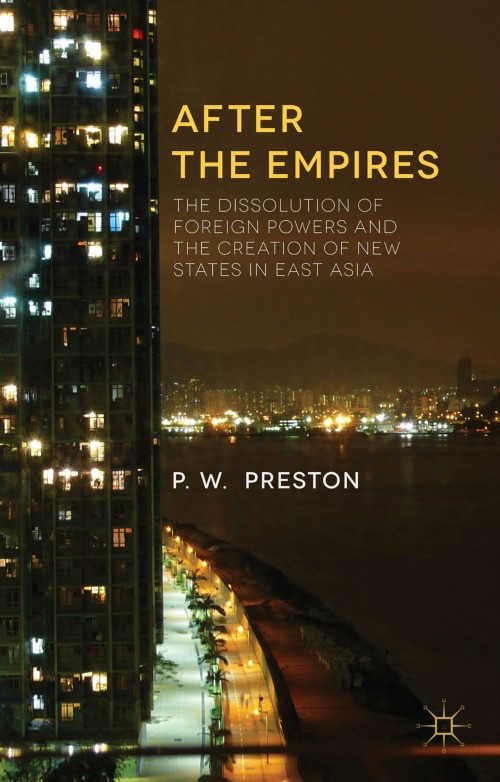
245 10|aAfter the Empires|h[electronic resource] :|bThe Dissolution of Foreign Powers and the Creation of New States in East Asia /|cby P. Preston.
250 |a1st ed. 2014.
264 1|aLondon :|bPalgrave Macmillan UK :|bImprint: Palgrave Macmillan,|c2014.
300 |aXI, 272 p.|bonline resource.
336 |atext|btxt|2rdacontent
337 |acomputer|bc|2rdamedia
338 |aonline resource|bcr|2rdacarrier
347 |atext file|bPDF|2rda
520 |aThe shift to the modern world in East Asia was accomplished in part via the experience of colonial rule in the late nineteenth century. Following imperial crisis in the 1930s and 1940s, independent nation states formed from which the political structure of East Asia is based today.
650 0|aWorld politics.
650 0|aInternational relations.
650 0|aAsia|xHistory.
650 0|aImperialism.
650 0|aSocial history.
650 0|aHistory, Modern.
650 14|aPolitical History.
650 24|aInternational Relations.
650 24|aAsian History.
650 24|aImperialism and Colonialism.
650 24|aSocial History.
650 24|aModern History.
773 0 |tSpringer Nature eBook
776 08|iPrinted edition:|z9781137345677
776 08|iPrinted edition:|z9781349466603
776 08|iPrinted edition:|z9781349466610
856 40|uhttps://doi.org/10.1057/9781137345684
912 |aZDB-2-PHC
912 |aZDB-2-SXH
950 |aPalgrave History Collection (SpringerNature-41138)
950 |aHistory (R0) (SpringerNature-43722)