LEADER 02343nam a22005775i 4500
001 610852
003 TR_AnAIT
005 20250627061329
007 cr nn 008mamaa
008 151205s2013 xxk| s |||| 0|eng d
020 |a9781137355034|9978-1-137-35503-4
024 7 |a10.1057/9781137355034|2doi
041 |aeng
049 |aTürk Tarih Kurumu Kütüphanesi
050 4|aDA1-995
072 7|aHBJD1|2bicssc
072 7|aHIS015000|2bisacsh
072 7|aNHD|x1DD|2thema
082 04|a941|223
090 |aDK/3523
100 1 |aRead, S.|eauthor.|4aut|4http://id.loc.gov/vocabulary/relators/aut
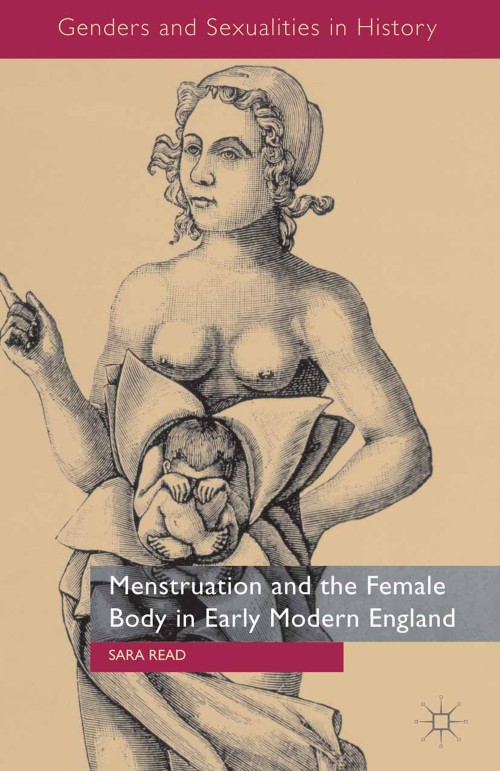
245 10|aMenstruation and the Female Body in Early Modern England|h[electronic resource] /|cby S. Read.
250 |a1st ed. 2013.
264 1|aLondon :|bPalgrave Macmillan UK :|bImprint: Palgrave Macmillan,|c2013.
300 |aXII, 248 p.|bonline resource.
336 |atext|btxt|2rdacontent
337 |acomputer|bc|2rdamedia
338 |aonline resource|bcr|2rdacarrier
347 |atext file|bPDF|2rda
490 1 |aGenders and Sexualities in History,|x2730-9487
520 |aIn early modern English medicine, the balance of fluids in the body was seen as key to health. Menstruation was widely believed to regulate blood levels in the body and so was extensively discussed in medical texts. Sara Read examines all forms of literature, from plays and poems, to life-writing, and compares these texts with the medical theories.
650 0|aGreat Britain|xHistory.
650 0|aSocial history.
650 0|aScience|xHistory.
650 0|aEurope|xHistory.
650 0|aCivilization|xHistory.
650 0|aWorld history.
650 14|aHistory of Britain and Ireland.
650 24|aSocial History.
650 24|aHistory of Science.
650 24|aEuropean History.
650 24|aCultural History.
650 24|aWorld History, Global and Transnational History.
773 0 |tSpringer Nature eBook
776 08|iPrinted edition:|z9781137355027
776 08|iPrinted edition:|z9781349470020
776 08|iPrinted edition:|z9781349470037
830 0|aGenders and Sexualities in History,|x2730-9487
856 40|uhttps://doi.org/10.1057/9781137355034
912 |aZDB-2-PHC
912 |aZDB-2-SXH
950 |aPalgrave History Collection (SpringerNature-41138)
950 |aHistory (R0) (SpringerNature-43722)