LEADER 02058nam a22005535i 4500
001 610991
003 TR_AnAIT
005 20250627060914
007 cr nn 008mamaa
008 151013s2010 xxu| s |||| 0|eng d
020 |a9780230113961|9978-0-230-11396-1
024 7 |a10.1057/9780230113961|2doi
041 |aeng
049 |aTürk Tarih Kurumu Kütüphanesi
050 4|aD31-34
072 7|aJPA|2bicssc
072 7|aHBT|2bicssc
072 7|aPOL010000|2bisacsh
072 7|aJPA|2thema
072 7|aNHT|2thema
082 04|a320.09|223
090 |aDK/3662
100 1 |aRyan, M.|eauthor.|4aut|4http://id.loc.gov/vocabulary/relators/aut
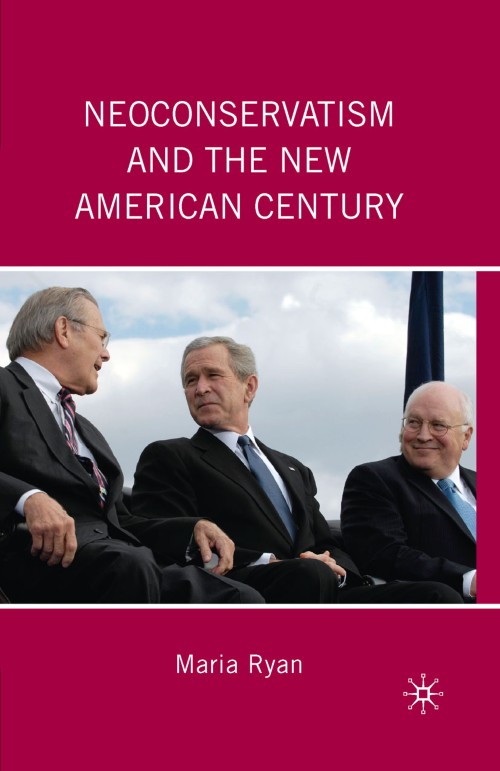
245 10|aNeoconservatism and the New American Century|h[electronic resource] /|cby M. Ryan.
250 |a1st ed. 2010.
264 1|aNew York :|bPalgrave Macmillan US :|bImprint: Palgrave Macmillan,|c2010.
300 |aX, 273 p.|bonline resource.
336 |atext|btxt|2rdacontent
337 |acomputer|bc|2rdamedia
338 |aonline resource|bcr|2rdacarrier
347 |atext file|bPDF|2rda
520 |aSituated at the intersection of political history, intellectual history, and the history of U.S. foreign policy, this book offers an in-depth examination of the development of neoconservative foreign policy from the end of the Cold War to the election of George W. Bush in 2000.
650 0|aWorld politics.
650 0|aUnited States|xHistory.
650 0|aHistory, Modern.
650 0|aPolitical science.
650 0|aSocial history.
650 14|aPolitical History.
650 24|aUS History.
650 24|aModern History.
650 24|aPolitical Theory.
650 24|aSocial History.
773 0 |tSpringer Nature eBook
776 08|iPrinted edition:|z9780230104679
776 08|iPrinted edition:|z9781349289295
776 08|iPrinted edition:|z9781349289301
856 40|uhttps://doi.org/10.1057/9780230113961
912 |aZDB-2-PHC
912 |aZDB-2-SXH
950 |aPalgrave History Collection (SpringerNature-41138)
950 |aHistory (R0) (SpringerNature-43722)