LEADER 02193nam a22005895i 4500
001 611262
003 TR_AnAIT
005 20250627060039
007 cr nn 008mamaa
008 151208s2006 xxu| s |||| 0|eng d
020 |a9780230602076|9978-0-230-60207-6
024 7 |a10.1057/9780230602076|2doi
041 |aeng
049 |aTürk Tarih Kurumu Kütüphanesi
050 4|aM1-5000
072 7|aAV|2bicssc
072 7|aMUS000000|2bisacsh
072 7|aAV|2thema
082 04|a780|223
090 |aDK/3933
100 1 |aWinders, J.|eauthor.|4aut|4http://id.loc.gov/vocabulary/relators/aut
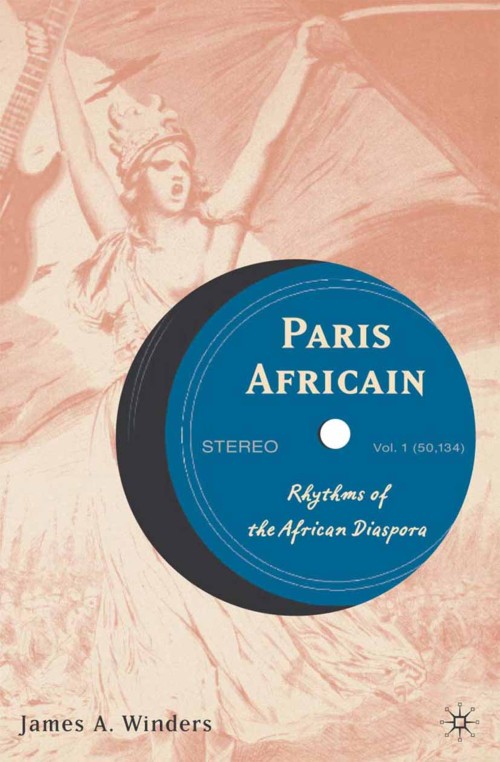
245 10|aParis Africain|h[electronic resource] :|bRhythms of the African Diaspora /|cby J. Winders.
250 |a1st ed. 2006.
264 1|aNew York :|bPalgrave Macmillan US :|bImprint: Palgrave Macmillan,|c2006.
300 |aXV, 231 p.|bonline resource.
336 |atext|btxt|2rdacontent
337 |acomputer|bc|2rdamedia
338 |aonline resource|bcr|2rdacarrier
347 |atext file|bPDF|2rda
520 |aThe growth of African immigration to France at the end of the Twentieth Century wrought cultural change in this epicentre of the avant-garde in European art and music. James Winders presents the story of African immigrants to France as a unique chapter in the long history of the reception accorded expatriate artists in Paris.
650 0|aMusic.
650 0|aConservation biology.
650 0|aEcology .
650 0|aEurope|xHistory.
650 0|aHistory, Modern.
650 0|aEthnology|xAfrica.
650 0|aCulture.
650 0|aArts.
650 14|aMusic.
650 24|aConservation Biology.
650 24|aEuropean History.
650 24|aModern History.
650 24|aAfrican Culture.
650 24|aArts.
773 0 |tSpringer Nature eBook
776 08|iPrinted edition:|z9781403960047
776 08|iPrinted edition:|z9781349526116
776 08|iPrinted edition:|z9781349526123
776 08|iPrinted edition:|z9781403960054
856 40|uhttps://doi.org/10.1057/9780230602076
912 |aZDB-2-PHC
912 |aZDB-2-SXH
950 |aPalgrave History Collection (SpringerNature-41138)
950 |aHistory (R0) (SpringerNature-43722)