LEADER 02167nam a22005535i 4500
001 611447
003 TR_AnAIT
005 20250627055450
007 cr nn 008mamaa
008 151222s2012 xxk| s |||| 0|eng d
020 |a9781137284235|9978-1-137-28423-5
024 7 |a10.1057/9781137284235|2doi
041 |aeng
049 |aTürk Tarih Kurumu Kütüphanesi
050 4|aD17-24.5
072 7|aHBG|2bicssc
072 7|aHIS037000|2bisacsh
072 7|aNHB|2thema
082 04|a909|223
090 |aDK/4118
100 1 |aMoscoso, J.|eauthor.|4aut|4http://id.loc.gov/vocabulary/relators/aut
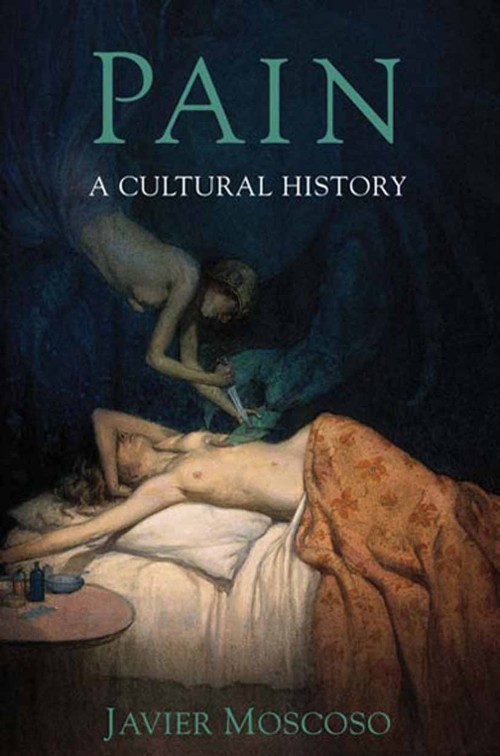
245 10|aPain|h[electronic resource] :|bA Cultural History /|cby J. Moscoso.
250 |a1st ed. 2012.
264 1|aLondon :|bPalgrave Macmillan UK :|bImprint: Palgrave Macmillan,|c2012.
300 |aXIII, 301 p.|bonline resource.
336 |atext|btxt|2rdacontent
337 |acomputer|bc|2rdamedia
338 |aonline resource|bcr|2rdacarrier
347 |atext file|bPDF|2rda
520 |aHalfway between history and philosophy, this book deals with the historical forms that have permitted the understanding of human suffering from the Renaissance to the present. Representation, sympathy, imitation, coherence and narrativity are but a few of the rhetorical recourses that men and women have employed in order to feel our pain.
650 0|aWorld history.
650 0|aEurope|xHistory.
650 0|aSocial history.
650 0|aCivilization|xHistory.
650 0|aHistory, Modern.
650 0|aIntellectual life|xHistory.
650 14|aWorld History, Global and Transnational History.
650 24|aEuropean History.
650 24|aSocial History.
650 24|aCultural History.
650 24|aModern History.
650 24|aIntellectual History.
773 0 |tSpringer Nature eBook
776 08|iPrinted edition:|z9781403991188
776 08|iPrinted edition:|z9781349542598
776 08|iPrinted edition:|z9781349542604
856 40|uhttps://doi.org/10.1057/9781137284235
912 |aZDB-2-PHC
912 |aZDB-2-SXH
950 |aPalgrave History Collection (SpringerNature-41138)
950 |aHistory (R0) (SpringerNature-43722)