LEADER 02786naaaa2200361aa54500
001 621946
003 TR_AnAIT
005 20250627043108
006 aoabee |||| 001 0d
007 ta
008 250516s2023 wauoabee |||| 001 0deng c
020 |a9780884024972
040 |aTTK
041 |aeng
049 |aTürk Tarih Kurumu Kütüphanesi
090 |aB.II/0436
100 1 |aMuehlbauer, Mikael.
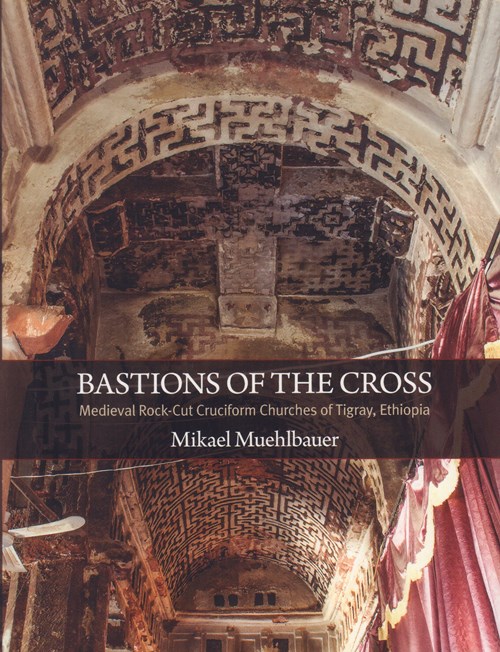
245 10|aBastions of the cross :|bMedieval rock-cut cruciform churches of Tigray, Ethiopia /|cMikael Muehlbauer.
246 1 |aMedieval rock-cut cruciform churches of Tigray, Ethiopia
260 |aWashington, DC :|bDumbarton Oaks Research Library and Collection,|c©2023.
300 |axv, 239 sayfa :|bresim (çoğu renkli), çizim, harita, plan ;|c29 cm.
490 1 |aDumbarton Oaks studies ;|vXLIX
500 |aİndeks s. 231-239.
504 |aBibliyografya s. 209-229.
505 |tIntroduction --|tMedieval architecture in Tigray, Ethiopia --|tChurches in the making --|tInventing Late Antiquity in Medieval Ethiopia --|tMedieval Ethiopia in the Indian Ocean world system --|tConclusion : a local legacy.
520 |a“In the late eleventh century, Ethiopian masons hewed great cruciform churches out of mountains in the eastern highlands of Tigray, Ethiopia's northernmost province. Hitherto unparalleled in scale, these monuments were royal foundations, instruments of political centralization and re-Christianization that anticipated the great thirteenth-century churches at Lalibela. Bastions of the Cross, the first monograph devoted to the subject, examines the cruciform churches of Abreha wa-Atsbeha, Wuqro Cherqos, and Mika'el Amba and connects them to one of the great architectural movements of the Middle Ages: the millennial revival of the early Byzantine aisled, cruciform church. These were also the first to incorporate vaulting, and uniquely did so in the service of a centralized spatial hierarchy. It was through resuscitated pilgrimage networks that Ethiopian craftsmen revisited architectural types abandoned since Late Antiquity, while Islamic mercantile channels brought precious textiles from South Asia that inspired trans-material conceptions of architectural space. This study reveals the eleventh century, in contrast to its popular reputation as a “dark age,“ to be a forgotten watershed in the architectural history of Ethiopia and Eastern Christianity“ --|cArka kapak.
650 4|aKilise mimarisi|zEtiyopya|zTigray bölgesi.
650 4|aMimari, Bizans|zEtiyopya|zTigray bölgesi.
650 4|aKilise binaları|zEtiyopya|zTigray bölgesi.
650 4|aMağara kiliseleri|zEtiyopya|zTigray bölgesi.
651 4|aTigray bölgesi (Etiyopya)|xEski eserler.
830 0|aDumbarton Oaks studies ;|v49.