

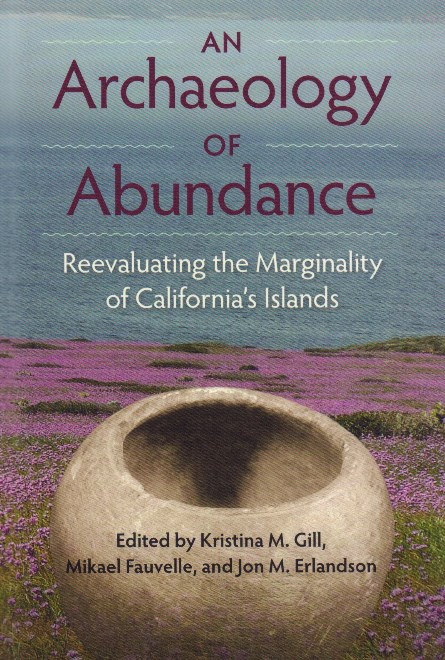
An archaeology of abundance : reevaluating the marginality of California's islands / edited by Kristina M. Gill, Mikael Fauvelle, and Jon M. Erlandson ; foreword by Victor D. Thompson.
Yer Numarası
A.IX/9847
ISBN
9780813056166 (cloth : alk. paper)
Dil Kodu
İngilizce
Kütüphane
Türk Tarih Kurumu Kütüphanesi
Eser Adının Farklı Biçimi
Reevaluating the marginality of California's islands
Yayın Bilgisi
Gainesville : University Press of Florida, 2019.
Fiziksel Niteleme
xvii, 307 sayfa : resim, harita, grafik, tablo ; 24 cm.
Dizi
Society and ecology in island and coastal archaeology
Genel Not
İndeks s. [297]-307.
Bibliyografi, vb. Notu
Bibliyografya makale sonlarındadır.
İçindekiler Notu
Responding to stress or coping with abundance? Re-examining the marginality of the California islands for maritime hunter-gatherers / Jon M. Erlandson, Kristina M. Gill, and Mikael Fauvelle -- Historical degradation and ecological recovery : evaluating the marginality of California island ecosystems / Todd J. Braje, Jon M. Erlandson, Kristina M. Gill, Torben C. Rick, Linda Bentz, and Paul Collins -- Paleocoastal landscapes, marginality, and early human settlement of the California islands / Amy E. Gusick and Jon M. Erlandson -- Where carbohydrates were key : reassessing the marginality of terrestrial plant resources on California's islands / Kristina M. Gill, Jon M. Erlandson, Ken Niessen, Kristin M. Hoppa, and Dustin Merrick -- The potential use of seaweeds and marine plants by native peoples of Alta and Baja California : implications for “marginal“ island ecosystems / Amira F. Ainis, Jon M. Erlandson, Kristina M. Gill, Michael H. Graham, and Rene L. Vellanoweth -- Mineral resources on the islands of Alta and Baja California : evaluating the marginality of islands through space and time / Jon M. Erlandson, Kristina M. Gill, Jennifer E. Perry, Rene L. Vellanoweth, and Andrew Yatsko -- Marginality, material conveyance and trade on California islands / Mikael Fauvelle and Jennifer E. Perry -- Differences in human population density between the California islands and the coastal mainland / Michael A. Glassow and John R. Johnson -- Why translocate? Evaluating the evidence and reasons for ancient human introductions of wildlife to California's islands / Torben C. Rick, Courtney A. Hofman, and Leslie A. Reeder-Myers -- Archaeology, historical ecology, and marginality : global implications of the California islands for island settlement and sustainability / Scott M. Fitzpatrick and Jon M. Erlandson.
Özet, vb.
“The islands of Alta and Baja California changed dramatically in the centuries after Spanish colonists arrived. Native populations were decimated by disease, and their lives were altered through forced assimilation and the cessation of traditional foraging practices. Overgrazing, overfishing, and the introduction of nonnative species depleted natural resources severely. Most scientists have assumed the islands were also relatively marginal for human habitation before European contact, but An Archaeology of Abundance reassesses this long-held belief, analyzing new lines of evidence suggesting that the California islands were rich in resources important to human populations.
Contributors examine data from Paleocoastal to historic times that suggest the islands were optimal habitats that provided a variety of foods, fresh water, minerals, and fuels for the people living there. Botanical remains from these sites, together with the modern resurgence of plant communities after the removal of livestock, challenge theories that plant foods had to be imported for survival. Geoarchaeological surveys show that the islands had a variety of materials for making stone tools, and zooarchaeological data show that marine resources were abundant and that the translocation of plants and animals from the mainland further enhanced an already rich resource base. Studies of extensive exchange, underwater forests of edible seaweeds, and high island population densities also support the case for abundance on the islands.
Concluding that the California islands were not marginal environments for early humans, the discoveries presented in this volume hold significant implications for reassessing the ancient history of islands around the world that have undergone similar ecological transformations.” -- Arka kapak.
Konu
Emeği Geçenler
Gill, Kristina, 1982- editör.
Fauvelle, Mikael, editör.
Erlandson, Jon, editör.
Thompson, Victor D., önsözü yazan.
Fauvelle, Mikael, editör.
Erlandson, Jon, editör.
Thompson, Victor D., önsözü yazan.
Eseri Alıntıla
Referansları kullanmadan önce gözden geçirmeniz ve varsa gerekli düzeltmeleri yapmanız önerilir.
Dijital Kaynak
MARC Görünümü
LEADER 05137naaaa2200373aa54500
001 783538
003 TR_AnAIT
005 20250718143304
006 aobd|e |||| 001 0d
007 ta
008 250714s2019 fluobd|e |||| 001 0deng c
020 |a9780813056166|q(cloth : alk. paper)
040 |aTTK
041 |aeng
049 |aTürk Tarih Kurumu Kütüphanesi
090 |aA.IX/9847
245 03|aAn archaeology of abundance :|breevaluating the marginality of California's islands /|cedited by Kristina M. Gill, Mikael Fauvelle, and Jon M. Erlandson ; foreword by Victor D. Thompson.
246 1 |aReevaluating the marginality of California's islands
260 |aGainesville :|bUniversity Press of Florida,|c2019.
300 |axvii, 307 sayfa :|bresim, harita, grafik, tablo ;|c24 cm.
490 0 |aSociety and ecology in island and coastal archaeology
500 |aİndeks s. [297]-307.
504 |aBibliyografya makale sonlarındadır.
505 |tResponding to stress or coping with abundance? Re-examining the marginality of the California islands for maritime hunter-gatherers /|rJon M. Erlandson, Kristina M. Gill, and Mikael Fauvelle --|tHistorical degradation and ecological recovery : evaluating the marginality of California island ecosystems /|rTodd J. Braje, Jon M. Erlandson, Kristina M. Gill, Torben C. Rick, Linda Bentz, and Paul Collins --|tPaleocoastal landscapes, marginality, and early human settlement of the California islands /|rAmy E. Gusick and Jon M. Erlandson --|tWhere carbohydrates were key : reassessing the marginality of terrestrial plant resources on California's islands /|rKristina M. Gill, Jon M. Erlandson, Ken Niessen, Kristin M. Hoppa, and Dustin Merrick --|tThe potential use of seaweeds and marine plants by native peoples of Alta and Baja California : implications for “marginal“ island ecosystems /|rAmira F. Ainis, Jon M. Erlandson, Kristina M. Gill, Michael H. Graham, and Rene L. Vellanoweth --|tMineral resources on the islands of Alta and Baja California : evaluating the marginality of islands through space and time /|rJon M. Erlandson, Kristina M. Gill, Jennifer E. Perry, Rene L. Vellanoweth, and Andrew Yatsko --|tMarginality, material conveyance and trade on California islands /|rMikael Fauvelle and Jennifer E. Perry --|tDifferences in human population density between the California islands and the coastal mainland /|rMichael A. Glassow and John R. Johnson --|tWhy translocate? Evaluating the evidence and reasons for ancient human introductions of wildlife to California's islands /|rTorben C. Rick, Courtney A. Hofman, and Leslie A. Reeder-Myers --|tArchaeology, historical ecology, and marginality : global implications of the California islands for island settlement and sustainability /|rScott M. Fitzpatrick and Jon M. Erlandson.
520 |a“The islands of Alta and Baja California changed dramatically in the centuries after Spanish colonists arrived. Native populations were decimated by disease, and their lives were altered through forced assimilation and the cessation of traditional foraging practices. Overgrazing, overfishing, and the introduction of nonnative species depleted natural resources severely. Most scientists have assumed the islands were also relatively marginal for human habitation before European contact, but An Archaeology of Abundance reassesses this long-held belief, analyzing new lines of evidence suggesting that the California islands were rich in resources important to human populations.
Contributors examine data from Paleocoastal to historic times that suggest the islands were optimal habitats that provided a variety of foods, fresh water, minerals, and fuels for the people living there. Botanical remains from these sites, together with the modern resurgence of plant communities after the removal of livestock, challenge theories that plant foods had to be imported for survival. Geoarchaeological surveys show that the islands had a variety of materials for making stone tools, and zooarchaeological data show that marine resources were abundant and that the translocation of plants and animals from the mainland further enhanced an already rich resource base. Studies of extensive exchange, underwater forests of edible seaweeds, and high island population densities also support the case for abundance on the islands.
Concluding that the California islands were not marginal environments for early humans, the discoveries presented in this volume hold significant implications for reassessing the ancient history of islands around the world that have undergone similar ecological transformations.” --|cArka kapak.
650 4|aArkeolojik kazılar|zKaliforniya|zKanal Adaları.
650 4|aKuzey Amerika Kızılderilileri|zKaliforniya|zKanal Adaları|xEski eserler.
650 4|aİnsan ekolojisi|zKaliforniya|zKanal Adaları|xTarih.
651 4|aKanal Adaları (Kaliforniya)|xEski eserler.
700 1 |aGill, Kristina,|d1982-|eeditör.
700 1 |aFauvelle, Mikael,|eeditör.
700 1 |aErlandson, Jon,|eeditör.
700 1 |aThompson, Victor D.,|eönsözü yazan.
001 783538
003 TR_AnAIT
005 20250718143304
006 aobd|e |||| 001 0d
007 ta
008 250714s2019 fluobd|e |||| 001 0deng c
020 |a9780813056166|q(cloth : alk. paper)
040 |aTTK
041 |aeng
049 |aTürk Tarih Kurumu Kütüphanesi
090 |aA.IX/9847
245 03|aAn archaeology of abundance :|breevaluating the marginality of California's islands /|cedited by Kristina M. Gill, Mikael Fauvelle, and Jon M. Erlandson ; foreword by Victor D. Thompson.
246 1 |aReevaluating the marginality of California's islands
260 |aGainesville :|bUniversity Press of Florida,|c2019.
300 |axvii, 307 sayfa :|bresim, harita, grafik, tablo ;|c24 cm.
490 0 |aSociety and ecology in island and coastal archaeology
500 |aİndeks s. [297]-307.
504 |aBibliyografya makale sonlarındadır.
505 |tResponding to stress or coping with abundance? Re-examining the marginality of the California islands for maritime hunter-gatherers /|rJon M. Erlandson, Kristina M. Gill, and Mikael Fauvelle --|tHistorical degradation and ecological recovery : evaluating the marginality of California island ecosystems /|rTodd J. Braje, Jon M. Erlandson, Kristina M. Gill, Torben C. Rick, Linda Bentz, and Paul Collins --|tPaleocoastal landscapes, marginality, and early human settlement of the California islands /|rAmy E. Gusick and Jon M. Erlandson --|tWhere carbohydrates were key : reassessing the marginality of terrestrial plant resources on California's islands /|rKristina M. Gill, Jon M. Erlandson, Ken Niessen, Kristin M. Hoppa, and Dustin Merrick --|tThe potential use of seaweeds and marine plants by native peoples of Alta and Baja California : implications for “marginal“ island ecosystems /|rAmira F. Ainis, Jon M. Erlandson, Kristina M. Gill, Michael H. Graham, and Rene L. Vellanoweth --|tMineral resources on the islands of Alta and Baja California : evaluating the marginality of islands through space and time /|rJon M. Erlandson, Kristina M. Gill, Jennifer E. Perry, Rene L. Vellanoweth, and Andrew Yatsko --|tMarginality, material conveyance and trade on California islands /|rMikael Fauvelle and Jennifer E. Perry --|tDifferences in human population density between the California islands and the coastal mainland /|rMichael A. Glassow and John R. Johnson --|tWhy translocate? Evaluating the evidence and reasons for ancient human introductions of wildlife to California's islands /|rTorben C. Rick, Courtney A. Hofman, and Leslie A. Reeder-Myers --|tArchaeology, historical ecology, and marginality : global implications of the California islands for island settlement and sustainability /|rScott M. Fitzpatrick and Jon M. Erlandson.
520 |a“The islands of Alta and Baja California changed dramatically in the centuries after Spanish colonists arrived. Native populations were decimated by disease, and their lives were altered through forced assimilation and the cessation of traditional foraging practices. Overgrazing, overfishing, and the introduction of nonnative species depleted natural resources severely. Most scientists have assumed the islands were also relatively marginal for human habitation before European contact, but An Archaeology of Abundance reassesses this long-held belief, analyzing new lines of evidence suggesting that the California islands were rich in resources important to human populations.
Contributors examine data from Paleocoastal to historic times that suggest the islands were optimal habitats that provided a variety of foods, fresh water, minerals, and fuels for the people living there. Botanical remains from these sites, together with the modern resurgence of plant communities after the removal of livestock, challenge theories that plant foods had to be imported for survival. Geoarchaeological surveys show that the islands had a variety of materials for making stone tools, and zooarchaeological data show that marine resources were abundant and that the translocation of plants and animals from the mainland further enhanced an already rich resource base. Studies of extensive exchange, underwater forests of edible seaweeds, and high island population densities also support the case for abundance on the islands.
Concluding that the California islands were not marginal environments for early humans, the discoveries presented in this volume hold significant implications for reassessing the ancient history of islands around the world that have undergone similar ecological transformations.” --|cArka kapak.
650 4|aArkeolojik kazılar|zKaliforniya|zKanal Adaları.
650 4|aKuzey Amerika Kızılderilileri|zKaliforniya|zKanal Adaları|xEski eserler.
650 4|aİnsan ekolojisi|zKaliforniya|zKanal Adaları|xTarih.
651 4|aKanal Adaları (Kaliforniya)|xEski eserler.
700 1 |aGill, Kristina,|d1982-|eeditör.
700 1 |aFauvelle, Mikael,|eeditör.
700 1 |aErlandson, Jon,|eeditör.
700 1 |aThompson, Victor D.,|eönsözü yazan.
Materyaller
Depodan talep edilen materyal sadece kütüphane içerisinde kullanılmaktadır.
Materyal dışarıya ödünç verilmemektedir.
Materyal dışarıya ödünç verilmemektedir.
