LEADER 02756naaaa2200385aa54500
001 783623
003 TR_AnAIT
005 20250718145923
006 aod||e |||| 001 0d
007 ta
008 250716s2021 nyuod||e |||| 001 0deng c
020 |a9780815636939|q(hardback ; alk. paper)
020 |a9780815636953|q(paperback ; alk. paper)
020 |a9780815655053|q(ebook)
040 |aTTK
041 |aeng
049 |aTürk Tarih Kurumu Kütüphanesi
090 |aA.IX/9873
100 1 |aSehlikoglu, Sertaç.
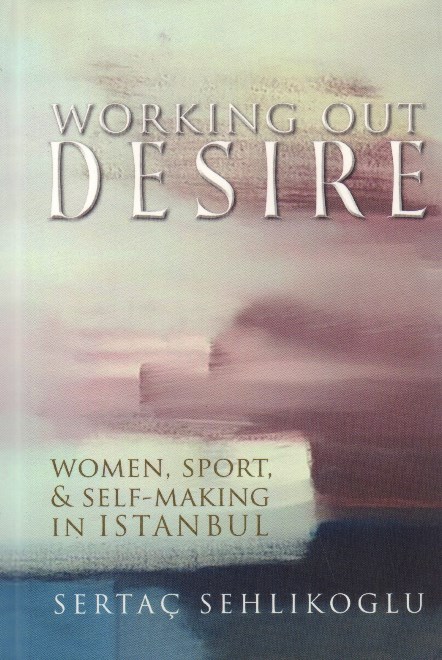
245 10|aWorking out desire :|bwomen, sport, and self-making in Istanbul /|cSertaç Sehlikoglu.
246 1 |aWomen, sport, and self-making in Istanbul
250 |aFirst edition.
260 |aSyracuse, New York :|bSyracuse University Press,|c©2021.
300 |axvii, 295 sayfa :|bresim, tablo ;|c23 cm.
490 0 |aGender, culture, and politics in the Middle East
500 |aSözlük s. 259-261.
500 |aİndeks s. 291-295.
504 |aBibliyografya s. 263-290.
520 |a“Working Out Desire examines spor meraki as an object of desire shared by a broad and diverse group of Istanbulite women. Sehlikoglu follows the latest anthropological scholarship that defines desire beyond the moment it is felt, experienced, or even yearned for, and as something that is formed through a series of social and historical makings. She traces Istanbulite women's ever-increasing interest in exercise not merely to an interest in sport, but also to an interest in establishing a new self - one that attempts to escape from conventional feminine duties - and an investment in forming a more agentive, desiring, self. Working Out Desire develops a multilayered analysis of how women use spor meraki to take themselves out of the domestic zone physically, emotionally, and also imaginatively.Sehlikoglu pushes back against the conventional boundaries of scholarly interest in Muslim women as pious subjects. Instead, it places women's desiring subjectivity at its center and traces women's agentive aspirations in the way they bend the norms which are embedded in the multiple patriarchal ideologies (i.e. nationalism, religion, aesthetics) which operate on their selves. Working out Desire presents the ways in which women's changing habits, leisure, and self-formation in the Muslim world and the Middle East are connected to their agentive capacities to shift and transform their conditions and socio-cultural capabilities.“ --|cYayıncı.
650 4|aKadınlar|zTürkiye|xKimlik.
650 4|aKadınlarda öz algı|zTürkiye.
650 4|aKadınlar için egzersiz|xSosyal yönler|zTürkiye.
650 4|aKadınlar|zTürkiye|xSosyal durum.
650 4|aSporlar|xSosyolojik yönler.