LEADER 03210naaaa2200373aa54500
001 784049
003 TR_AnAIT
005 20250811105427
006 aobd|e |||| 001 0d
007 ta
008 250723s2022 cauobd|e |||| 001 0deng c
020 |a9781503630895|q(cloth)
020 |a9781503631267|q(paperback)
020 |a9781503631274|q(ebook)
040 |aTTK
041 |aeng
049 |aTürk Tarih Kurumu Kütüphanesi
090 |aA.IX/9915
100 1 |aGratien, Chris.
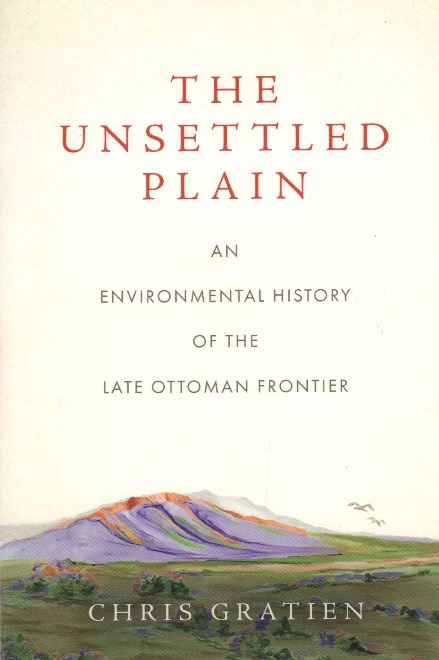
245 14|aThe unsettled plain :|ban environmental history of the late Ottoman frontier /|cChris Gratien.
246 1 |aAn environmental history of the late Ottoman frontier
260 |aStanford, California :|bStanford University Press,|c©2022.
300 |aviii sayfa, [1] sayfa harita, 318 sayfa :|bresim, harita, grafik, tıpkıbasım, tablo ;|c23 cm
500 |aİndeks s. [311]-318.
504 |aBibliyografik notlar s. [241]-310.
505 |tIntroduction --|tUpland empire : the indigenous ecology of Ottoman Cilicia --|tThe stench of progress : ecology and settlement on the Ottoman frontier, 1856-1878 --|tSecond nature in the second Egypt : capital, ecology, and intercommunality in late Ottoman Cilicia, 1878-1914 --|tFallowed years : war, environment, and the end of empire, 1914-1923 --|tA modern life of transhumance : change and continuity in the Republic of Turkey, 1923-1956.
520 |a“The Unsettled Plain studies agrarian life in the Ottoman Empire to understand the making of the modern world. Over the course of the late nineteenth and early twentieth centuries, the environmental transformation of the Ottoman countryside became intertwined with migration and displacement. Muslim refugees, mountain nomads, families deported in the Armenian Genocide, and seasonal workers from all over the empire endured hardship, exile, and dispossession. Their settlement and survival defined new societies forged in the provincial spaces of the late Ottoman frontier. Through these movements, Chris Gratien reconstructs the remaking of Çukurova, a region at the historical juncture of Anatolia and Syria, and illuminates radical changes brought by the modern state, capitalism, war, and technology. Drawing on both Ottoman Turkish and Armenian sources, Gratien brings rural populations into the momentous events of the period: Ottoman reform, Mediterranean capitalism, the First World War, and Turkish nation-building. Through the ecological perspectives of everyday people in Çukurova, he charts how familiar facets of quotidian life like malaria, cotton cultivation, labor, and leisure attained modern manifestations. As the history of this pivotal region hidden on the geopolitical map reveals, the remarkable ecological transformation of late Ottoman society configured the trajectory of the contemporary societies of the Middle East.“ --|cArka kapak.
650 4|aİnsan ekolojisi|zTürkiye|zKilikya|xTarih.
650 4|aKırsal nüfus|zTürkiye|zKilikya|xTarih.
650 4|aArazi kullanımı, kırsal|zTürkiye|zKilikya|xTarih.
651 4|aKilikya (Türkiye)|xÇevresel durum.
651 4|aTürkiye|xTarih|y19. yy.
651 4|aTürkiye|xTarih|y20. yy.