LEADER 01980naaaa2200301aa54500
001 784083
003 TR_AnAIT
005 20250811102823
006 aobe|e |||| 001 0d
007 ta
008 250724s2021 enkobe|e |||| 001 0deng c
020 |a9780300235951
040 |aTTK
041 |aeng
049 |aTürk Tarih Kurumu Kütüphanesi
090 |aB.II/0452
100 1 |aRoskam, Cole.
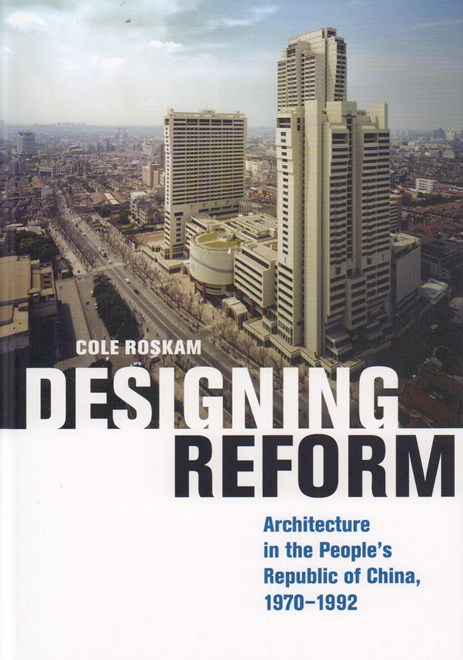
245 10|aDesigning reform :|barchitecture in the People's Republic of China, 1970-1992 /|cCole Roskam.
246 1 |aArchitecture in the People's Republic of China, 1970-1992
260 |aNew Haven ;|aLondon :|bYale University Press,|c©2021.
300 |avi, 290 sayfa :|bresim, harita, plan, şema, tıpkıbasım ;|c26 cm
500 |aİndeks s. 279-290.
504 |aBibliyografik notlar s. 259-277.
520 |a“In the years following China’s Cultural Revolution, architecture played an active role in the country’s reintegration into the global economy and capitalist world. Looking at the ways in which political and social reform transformed Chinese architecture and how, in turn, architecture gave structure to the reforms, Cole Roskam underlines architecture’s unique ability to shape space as well as behavior. Roskam traces how foreign influences like postmodernism began to permeate Chinese architectural discourse in the 1970s and 1980s and how figures such as Kevin Lynch, I. M. Pei, and John Portman became key forces in the introduction of Western educational ideologies and new modes of production. Offering important insights into architecture’s relationship to the politics, economics, and diplomacy of post-Mao China, this unprecedented interdisciplinary study examines architecture’s multivalent status as an art, science, and physical manifestation of cultural identity.” --|cArka kapak.
650 4|aMimarlık|zÇin|xTarih|y20. yy.
650 4|aMimarlık|xSiyasi yönler|zÇin.
650 4|aMimarlık ve toplum|zÇin.