LEADER 03751nam a22004938i 4500
001 784770
003 TR_AnAIT
005 20250821173538
006 m d
007 cr un uuuua
008 221129s2022 gw sb 001 0 eng d
010 |a 2022010554
020 |a9789004428324|q(print)
020 |a9789004512092|q(electronic book)
024 7 |a10.1163/9789004512092|2DOI
035 |a(OCoLC)1345668238
040 |aNL-LeKB|cNL-LeKB|erda
041 |aeng
049 |aTürk Tarih Kurumu Kütüphanesi
050 4|aDK500.L57
072 7|aHB|2bicssc
072 7|aHIS|x000000|2bisacsh
082 04|a947.98|223
090 |aDK/5936
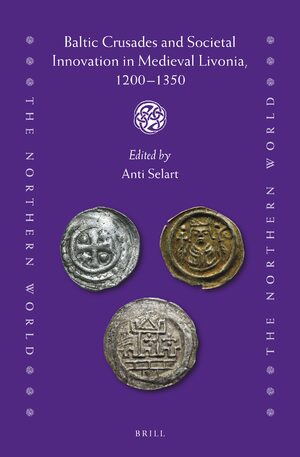
245 10|aBaltic Crusades and Societal Innovation in Medieval Livonia, 1200-1350 /|cedited by Anti Selart.
264 1|aLeiden ;|aBoston :|bBrill,|c2022.
264 4|c©2022
300 |a1 online resource
336 |atext|btxt|2rdacontent
337 |acomputer|bc|2rdamedia
338 |aonline resource|2rdacarrier
490 1 |aLate Antiquity and Medieval Studies E-Books Online, Collection 2022
490 1 |aThe Northern World ;|v93
504 |aIncludes bibliographical references and index.
505 0 |tPreliminary Material /|rEditor: Anti Selart -- Copyright Page /|rEditor: Anti Selart -- Preface /|rEditor: Anti Selart -- Notes on Contributors /|rEditor: Anti Selart -- Chapter 1 Life in Livonia: After the Crusades /|rAnti Selart -- Chapter 2 Domesticating Europe – Novel Cultural Influences in the Late Iron Age Eastern Baltic /|rTõnno Jonuks -- Chapter 3 Exploiting the Conquerors /|rKristjan Kaljusaar -- Chapter 4 Livonian Economic Resources, 1200–1350 /|rAnti Selart -- Chapter 5 Missed Patronage? /|rMihkel Mäesalu -- Chapter 6 From Prehistory to History /|rIvar Leimus -- Chapter 7 The Legal Status of Women in Livonia, 1200–1400 /|rVija Stikāne -- Chapter 8 ‘Local’ Characteristics of the Medieval Livonian Town /|rArvi Haak -- Chapter 9 Advancement of Craftsmanship and Manufacturing in Medieval Livonia /|rAndres Tvauri -- Chapter 10 The Formation, Establishment, and Personal Networks of Livonian Cathedral Chapters, 1190–1350 /|rMadis Maasing -- Chapter 11 Changing Aliens, Changing Natives /|rChristian Lübke -- Index /|rEditor: Anti Selart.
520 |aThe Baltic Crusades in the thirteenth century led to the creation of the medieval Livonia. But what happened after the conquest? The contributors to this volume analyse the cultural, societal, economic and technological changes in the Baltic Sea region c. 1200–1350. The chapters focus on innovations and long-term developments which were important in integrating the area into medieval European society more broadly, while also questioning the traditional divide of the Livonian post-crusade society into native victims and foreign victors. The process of multilateral negotiations and adaptions created a synthesis which was not necessarily an outcome of the wars but also a manifestation of universal innovation processes in northern Europe. Contributors are Arvi Haak, Tõnno Jonuks, Kristjan Kaljusaar, Ivar Leimus, Christian Lübke, Madis Maasing, Mihkel Mäesalu, Anti Selart, Vija Stikāne, and Andres Tvauri.
546 |aEnglish
588 |aDescription based on print version record.
650 0|aCivilization, Medieval.
650 0|aCrusades|y13th-15th centuries.
650 0|aReligion.
700 1 |aSelart, Anti,|eeditor.
776 08|iPrint version:|tBaltic Crusades and Societal Innovation in Medieval Livonia, 1200-1350.|dLeiden : Boston : Brill, 2022.|z9789004428324|w(DLC) 2022010553|w(OCoLC)1291873407
830 0|aLate Antiquity and Medieval Studies E-Books Online, Collection 2022.
830 0|aThe Northern World ;|v93.
856 4 |zDOI: |uhttp://dx.doi.org/10.1163/9789004512092