

Sacred Polities, Natural Law and the Law of Nations in the 16th-17th Centuries / Hans Blom.
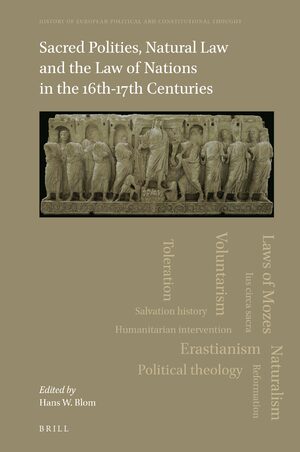
Erişim Adresi
ISBN
9789004501782 (electronic book)
9789004498532 (print)
9789004498532 (print)
Yer Numarası
DK/6063
Yazar
Yayın Bilgisi
Leiden; Boston : Brill, 2022.
Fiziksel Niteleme
1 online resource.
Dizi
History of European Political and Constitutional Thought ; 7
Bibliyografi, vb. Notu
Includes bibliographical references and index.
İçindekiler Notu
Preliminary Material / Editor: Hans W. Blom -- Copyright Page / Editor: Hans W. Blom -- Acknowledgements / Editor: Hans W. Blom -- Notes on Contributors / Editor: Hans W. Blom -- Chapter 1 Introduction / Hans W. Blom -- Chapter 2 Natural Law and National Polity / Arthur Eyffinger -- Chapter 3 'Without Prophetic and Apostolic Voices' / Mads Langballe Jensen -- Chapter 4 Between Scripture and Stoicism / Alberto Clerici -- Chapter 5 Separating the Universal and Natural from the Particular in the Mosaic Legislation / Markus M. Totzeck -- Chapter 6 Challenges of Universalism / József Simon -- Chapter 7 Natural Law, Contingency and History in the Legal Thought of Francisco Suárez / Dominique Bauer -- Chapter 8 Grotius on Natural Law: An Inventory of Propositions / Arthur Eyffinger -- Chapter 9 Erastianism and Natural Law in Hugo Grotius's De Imperio Summarum Potestatum Circa Sacra / Stefanie Ertz -- Chapter 10 Grotius on the Foundation of Natural Law / Jiří Chotaš -- Chapter 11 Pufendorf's Lutheranism / Thomas Behme -- Chapter 12 Pufendorf: Coercion, Religious Beliefs and Toleration / Heikki Haara -- Chapter 13 Moral Entities, Divine Will and Natural Law According to Pufendorf / Denis Ramelet -- Chapter 14 Providence and Uses of Grotian Strategies in Neapolitan Political Thought, 1650-1750 / Adriana Luna-Fabritius -- Index / Editor: Hans W. Blom.
Özet, vb.
Often considered a secularizing force in the rise of the nation state, natural law was also invoked in defence of confessional states. The fourteen chapters in this volume show how religious and secularizing approaches to natural and biblical law interacted and combined as early modern states navigated the fallout from the Reformation. From this new perspective, the volume revisits questions of political legitimacy, civic and ecclesiastical authority, societal stability, conceptions of the common good, liberalism's value pluralism (and its pretence), toleration and the lingering humanist project of determining "who are we" - issues that were as important then as they are now. Contributors are: Dominique Bauer, Thomas Behme, Hans Blom, Jiří Chotaš, Alberto Clerici, Stefanie Ertz, Arthur Eyffinger, Heikki Haara, Mads Langballe Jensen, Adriana Luna-Fabritius, Denis Ramelet, József Simon, and Markus M. Totzeck.
Konu
International law __ History __ 16th century __ Congresses.
International law __ History __ 17th century __ Congresses.
Natural law __ History __ 16th century __ Congresses.
Natural law __ History __ 17th century __ Congresses.
Natural law __ Influence __ Congresses.
Natural law __ Religious aspects __ Christianity __ Congresses.
Conference papers and proceedings. __ lcgft
International law __ History __ 17th century __ Congresses.
Natural law __ History __ 16th century __ Congresses.
Natural law __ History __ 17th century __ Congresses.
Natural law __ Influence __ Congresses.
Natural law __ Religious aspects __ Christianity __ Congresses.
Conference papers and proceedings. __ lcgft
Eseri Alıntıla
Referansları kullanmadan önce gözden geçirmeniz ve varsa gerekli düzeltmeleri yapmanız önerilir.
Dijital Kaynak
MARC Görünümü
LEADER 04306nam a22004931i 4500
001 784897
003 TR_AnAIT
005 20250821173103
006 m d
007 cr un uuuua
008 220201s2022 ne sb 001 0 eng d
010 |a 2021050180
020 |a9789004501782|q(electronic book)
020 |a9789004498532|q(print)
024 7 |a10.1163/9789004501782|2DOI
040 |aNL-LeKB|cNL-LeKB|erda
043 |ae------
049 |aTürk Tarih Kurumu Kütüphanesi
050 00|aK418
072 7|aHPS|2bicssc
072 7|aPHI|x019000|2bisacsh
072 7|aSOC|x000000|2bisacsh
082 00|a340/.112|223/eng/20211109
090 |aDK/6063
100 1 |aBlom, Hans,|eauthor.
245 10|aSacred Polities, Natural Law and the Law of Nations in the 16th-17th Centuries /|cHans Blom.
264 1|aLeiden; |aBoston :|bBrill,|c2022.
300 |a1 online resource.
336 |atext|btxt|2rdacontent
337 |acomputer|bc|2rdamedia
338 |aonline resource|2rdacarrier
490 1 |aHistory of European Political and Constitutional Thought ;|v7
504 |aIncludes bibliographical references and index.
505 00|tPreliminary Material /|rEditor: Hans W. Blom --|tCopyright Page /|rEditor: Hans W. Blom --|tAcknowledgements /|rEditor: Hans W. Blom --|tNotes on Contributors /|rEditor: Hans W. Blom --|tChapter 1 Introduction /|rHans W. Blom --|tChapter 2 Natural Law and National Polity /|rArthur Eyffinger --|tChapter 3 'Without Prophetic and Apostolic Voices' /|rMads Langballe Jensen --|tChapter 4 Between Scripture and Stoicism /|rAlberto Clerici --|tChapter 5 Separating the Universal and Natural from the Particular in the Mosaic Legislation /|rMarkus M. Totzeck --|tChapter 6 Challenges of Universalism /|rJózsef Simon --|tChapter 7 Natural Law, Contingency and History in the Legal Thought of Francisco Suárez /|rDominique Bauer --|tChapter 8 Grotius on Natural Law: An Inventory of Propositions /|rArthur Eyffinger --|tChapter 9 Erastianism and Natural Law in Hugo Grotius's De Imperio Summarum Potestatum Circa Sacra /|rStefanie Ertz --|tChapter 10 Grotius on the Foundation of Natural Law /|rJiří Chotaš --|tChapter 11 Pufendorf's Lutheranism /|rThomas Behme --|tChapter 12 Pufendorf: Coercion, Religious Beliefs and Toleration /|rHeikki Haara --|tChapter 13 Moral Entities, Divine Will and Natural Law According to Pufendorf /|rDenis Ramelet --|tChapter 14 Providence and Uses of Grotian Strategies in Neapolitan Political Thought, 1650-1750 /|rAdriana Luna-Fabritius --|tIndex /|rEditor: Hans W. Blom.
520 |aOften considered a secularizing force in the rise of the nation state, natural law was also invoked in defence of confessional states. The fourteen chapters in this volume show how religious and secularizing approaches to natural and biblical law interacted and combined as early modern states navigated the fallout from the Reformation. From this new perspective, the volume revisits questions of political legitimacy, civic and ecclesiastical authority, societal stability, conceptions of the common good, liberalism's value pluralism (and its pretence), toleration and the lingering humanist project of determining "who are we" - issues that were as important then as they are now. Contributors are: Dominique Bauer, Thomas Behme, Hans Blom, Jiří Chotaš, Alberto Clerici, Stefanie Ertz, Arthur Eyffinger, Heikki Haara, Mads Langballe Jensen, Adriana Luna-Fabritius, Denis Ramelet, József Simon, and Markus M. Totzeck.
588 |aDescription based on print version record.
650 0|aInternational law|xHistory|y16th century|vCongresses.
650 0|aInternational law|xHistory|y17th century|vCongresses.
650 0|aNatural law|xHistory|y16th century|vCongresses.
650 0|aNatural law|xHistory|y17th century|vCongresses.
650 0|aNatural law|xInfluence|vCongresses.
650 0|aNatural law|xReligious aspects|xChristianity|vCongresses.
655 7|aConference papers and proceedings.|2lcgft
776 08|iPrint version:|tSacred Polities, Natural Law and the Law of Nations in the 16th-17th Centuries.|dLeiden ; Boston : Brill, 2022|z9789004498532|w(DLC) 2021050179|w(OCoLC)1285370474
830 0|aHistory of European Political and Constitutional Thought ;|v7.
856 4 |zDOI: |uhttp://dx.doi.org/10.1163/9789004501782
001 784897
003 TR_AnAIT
005 20250821173103
006 m d
007 cr un uuuua
008 220201s2022 ne sb 001 0 eng d
010 |a 2021050180
020 |a9789004501782|q(electronic book)
020 |a9789004498532|q(print)
024 7 |a10.1163/9789004501782|2DOI
040 |aNL-LeKB|cNL-LeKB|erda
043 |ae------
049 |aTürk Tarih Kurumu Kütüphanesi
050 00|aK418
072 7|aHPS|2bicssc
072 7|aPHI|x019000|2bisacsh
072 7|aSOC|x000000|2bisacsh
082 00|a340/.112|223/eng/20211109
090 |aDK/6063
100 1 |aBlom, Hans,|eauthor.
245 10|aSacred Polities, Natural Law and the Law of Nations in the 16th-17th Centuries /|cHans Blom.
264 1|aLeiden; |aBoston :|bBrill,|c2022.
300 |a1 online resource.
336 |atext|btxt|2rdacontent
337 |acomputer|bc|2rdamedia
338 |aonline resource|2rdacarrier
490 1 |aHistory of European Political and Constitutional Thought ;|v7
504 |aIncludes bibliographical references and index.
505 00|tPreliminary Material /|rEditor: Hans W. Blom --|tCopyright Page /|rEditor: Hans W. Blom --|tAcknowledgements /|rEditor: Hans W. Blom --|tNotes on Contributors /|rEditor: Hans W. Blom --|tChapter 1 Introduction /|rHans W. Blom --|tChapter 2 Natural Law and National Polity /|rArthur Eyffinger --|tChapter 3 'Without Prophetic and Apostolic Voices' /|rMads Langballe Jensen --|tChapter 4 Between Scripture and Stoicism /|rAlberto Clerici --|tChapter 5 Separating the Universal and Natural from the Particular in the Mosaic Legislation /|rMarkus M. Totzeck --|tChapter 6 Challenges of Universalism /|rJózsef Simon --|tChapter 7 Natural Law, Contingency and History in the Legal Thought of Francisco Suárez /|rDominique Bauer --|tChapter 8 Grotius on Natural Law: An Inventory of Propositions /|rArthur Eyffinger --|tChapter 9 Erastianism and Natural Law in Hugo Grotius's De Imperio Summarum Potestatum Circa Sacra /|rStefanie Ertz --|tChapter 10 Grotius on the Foundation of Natural Law /|rJiří Chotaš --|tChapter 11 Pufendorf's Lutheranism /|rThomas Behme --|tChapter 12 Pufendorf: Coercion, Religious Beliefs and Toleration /|rHeikki Haara --|tChapter 13 Moral Entities, Divine Will and Natural Law According to Pufendorf /|rDenis Ramelet --|tChapter 14 Providence and Uses of Grotian Strategies in Neapolitan Political Thought, 1650-1750 /|rAdriana Luna-Fabritius --|tIndex /|rEditor: Hans W. Blom.
520 |aOften considered a secularizing force in the rise of the nation state, natural law was also invoked in defence of confessional states. The fourteen chapters in this volume show how religious and secularizing approaches to natural and biblical law interacted and combined as early modern states navigated the fallout from the Reformation. From this new perspective, the volume revisits questions of political legitimacy, civic and ecclesiastical authority, societal stability, conceptions of the common good, liberalism's value pluralism (and its pretence), toleration and the lingering humanist project of determining "who are we" - issues that were as important then as they are now. Contributors are: Dominique Bauer, Thomas Behme, Hans Blom, Jiří Chotaš, Alberto Clerici, Stefanie Ertz, Arthur Eyffinger, Heikki Haara, Mads Langballe Jensen, Adriana Luna-Fabritius, Denis Ramelet, József Simon, and Markus M. Totzeck.
588 |aDescription based on print version record.
650 0|aInternational law|xHistory|y16th century|vCongresses.
650 0|aInternational law|xHistory|y17th century|vCongresses.
650 0|aNatural law|xHistory|y16th century|vCongresses.
650 0|aNatural law|xHistory|y17th century|vCongresses.
650 0|aNatural law|xInfluence|vCongresses.
650 0|aNatural law|xReligious aspects|xChristianity|vCongresses.
655 7|aConference papers and proceedings.|2lcgft
776 08|iPrint version:|tSacred Polities, Natural Law and the Law of Nations in the 16th-17th Centuries.|dLeiden ; Boston : Brill, 2022|z9789004498532|w(DLC) 2021050179|w(OCoLC)1285370474
830 0|aHistory of European Political and Constitutional Thought ;|v7.
856 4 |zDOI: |uhttp://dx.doi.org/10.1163/9789004501782
Materyaller
Depodan talep edilen materyal sadece kütüphane içerisinde kullanılmaktadır.
Materyal dışarıya ödünç verilmemektedir.
Materyal dışarıya ödünç verilmemektedir.
