

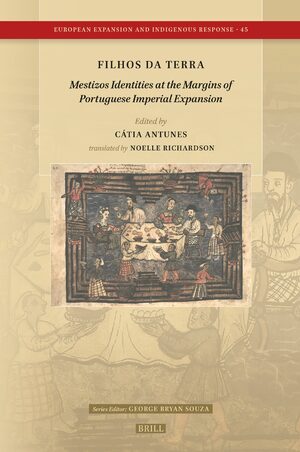
Filhos da Terra : Mestizos Identities at the Margins of Portuguese Imperial Expansion / António Manuel Hespanha and Cátia Antunes.
Erişim Adresi
ISBN
9789004713512 (electronic book)
9789004713505 (print)
9789004713505 (print)
Dil Kodu
İngilizce
Yer Numarası
DK/6076
Eser Adının Farklı Biçimi
Mestizos Identities at the Margins of Portuguese Imperial Expansion
Yayın Bilgisi
Leiden ; Boston : Brill, 2025.
©2025
©2025
Fiziksel Niteleme
1 online resource (396 pages) : illustrations.
Dizi
Early Modern History and Modern History E-Books Online, Collection 2025
European Expansion and Indigenous Response ; 45
European Expansion and Indigenous Response ; 45
Bibliyografi, vb. Notu
Includes bibliographical references and index.
İçindekiler Notu
General Series Editor’s Preface -- List of Illustrations -- Foreword: Filhos da Terra in English – The Raison D’Être -- The Legal Dimensions of Empire: Filhos da Terra and the Normative Order -- Portuguese Identity, Métissage and Liminality -- Translator’s Note -- Glossary -- Introduction -- 1 A ‘Portuguese’ Identity? -- 2 The Analytical Perspective -- 1 Chapter title to be come -- 1 The Portuguese ‘Informal Empire’ -- 2 The ‘Shadow Empire’ -- 3 Developments in the ‘Historiography of the Atlantic’ -- 2 Chapter title to be come -- 1 Methodological Approaches in the Historiography of the ‘Informal Empire’ -- 2 Notes of Caution -- 3 Observing Identity: Methodological Questions -- 3 Chapter title to be come -- 1 The ‘Provinces of the Shadow Empire -- 2 Guinea -- 3 The Americas -- 4 Angola -- 5 Mozambique -- 6 The Indian Ocean and South Asia -- 7 Mainland Southeast Asia -- 8 The Far East -- 4 Chapter title to be come -- 1 The ‘Portuguese Tribe’ -- 5 Chapter title to be come -- 1 Power and Governance in the ‘Shadow Empire’ -- 6 Chapter title to be come -- 1 Questions of Identity: External Differentiation and Internal Homogeneity -- 7 Chapter title to be come -- 1 The Universalism of the Portuguese -- Afterthoughts: Conversing about Diversity in Empire -- Bibliography -- Index.
Özet, vb.
Filhos da Terra narrates the history over time of the so-called ‘Portuguese communities’ living outside the boundaries of the Portuguese Empire but identified locally and by other European empires as ‘Portuguese’. Concepts such as ‘tribe’, ‘diaspora’, and ‘society of métissage’ have been widely used to define these groups. In Filhos da Terra , António Manuel Hespanha sets the stage to analyse a process of creolization that followed the Portuguese maritime expansion and consequent colonial buildup after 1415 and until 1800. This translated edition of his work opens up the possibility for future critical scholarly and public comparative discussions about diversity, identities, and identifications in the context of European empire building. Contributors are: Cátia Antunes, Zoltan Biedermann, Tamar Herzog, Noelle Richardson, Sophie Rose, and Ângela Barreto Xavier.
Dil Notu
English
Konu
History.
Diğer Yazarlar
Eseri Alıntıla
Referansları kullanmadan önce gözden geçirmeniz ve varsa gerekli düzeltmeleri yapmanız önerilir.
Dijital Kaynak
MARC Görünümü
LEADER 04174nam a22004818i 4500
001 784910
003 TR_AnAIT
005 20250821173041
006 m d
007 cr un uuuua
008 241009s2025 gw sb 001 0 eng d
020 |a9789004713512|q(electronic book)
020 |z9789004713505|q(print)
024 7 |a10.1163/9789004713512|2DOI
035 |z(OCoLC)1445897495
040 |aNL-LeKB|cNL-LeKB|erda
041 |aeng
049 |aTürk Tarih Kurumu Kütüphanesi
050 4|aNA105
072 7|aHB|2bicssc
072 7|aHIS|x000000|2bisacsh
082 04|a900|223
090 |aDK/6076
100 1 |aHespanha, António Manuel,|eauthor.
245 10|aFilhos da Terra :|bMestizos Identities at the Margins of Portuguese Imperial Expansion /|cAntónio Manuel Hespanha and Cátia Antunes.
246 3 |aMestizos Identities at the Margins of Portuguese Imperial Expansion
264 1|aLeiden ;|aBoston :|bBrill,|c2025.
264 4|c©2025
300 |a1 online resource (396 pages) :|billustrations.
336 |atext|btxt|2rdacontent
337 |acomputer|bc|2rdamedia
338 |aonline resource|2rdacarrier
490 1 |aEarly Modern History and Modern History E-Books Online, Collection 2025
490 1 |aEuropean Expansion and Indigenous Response ;|v45
504 |aIncludes bibliographical references and index.
505 0 |tGeneral Series Editor’s Preface -- List of Illustrations -- Foreword: Filhos da Terra in English – The Raison D’Être -- The Legal Dimensions of Empire: Filhos da Terra and the Normative Order -- Portuguese Identity, Métissage and Liminality -- Translator’s Note -- Glossary -- Introduction -- 1 A ‘Portuguese’ Identity? -- 2 The Analytical Perspective -- 1 Chapter title to be come -- 1 The Portuguese ‘Informal Empire’ -- 2 The ‘Shadow Empire’ -- 3 Developments in the ‘Historiography of the Atlantic’ -- 2 Chapter title to be come -- 1 Methodological Approaches in the Historiography of the ‘Informal Empire’ -- 2 Notes of Caution -- 3 Observing Identity: Methodological Questions -- 3 Chapter title to be come -- 1 The ‘Provinces of the Shadow Empire -- 2 Guinea -- 3 The Americas -- 4 Angola -- 5 Mozambique -- 6 The Indian Ocean and South Asia -- 7 Mainland Southeast Asia -- 8 The Far East -- 4 Chapter title to be come -- 1 The ‘Portuguese Tribe’ -- 5 Chapter title to be come -- 1 Power and Governance in the ‘Shadow Empire’ -- 6 Chapter title to be come -- 1 Questions of Identity: External Differentiation and Internal Homogeneity -- 7 Chapter title to be come -- 1 The Universalism of the Portuguese -- Afterthoughts: Conversing about Diversity in Empire -- Bibliography -- Index.
520 |aFilhos da Terra narrates the history over time of the so-called ‘Portuguese communities’ living outside the boundaries of the Portuguese Empire but identified locally and by other European empires as ‘Portuguese’. Concepts such as ‘tribe’, ‘diaspora’, and ‘society of métissage’ have been widely used to define these groups. In Filhos da Terra , António Manuel Hespanha sets the stage to analyse a process of creolization that followed the Portuguese maritime expansion and consequent colonial buildup after 1415 and until 1800. This translated edition of his work opens up the possibility for future critical scholarly and public comparative discussions about diversity, identities, and identifications in the context of European empire building. Contributors are: Cátia Antunes, Zoltan Biedermann, Tamar Herzog, Noelle Richardson, Sophie Rose, and Ângela Barreto Xavier.
546 |aEnglish
588 |aDescription based on print version record.
650 0|aHistory.
700 1 |aAntunes, Cátia,|eauthor.
776 08|iPrint version:|tFilhos da Terra : Mestizos Identities at the Margins of Portuguese Imperial Expansion.|dLeiden ; Boston : Brill, 2025.|z9789004713505
830 0|aEarly Modern History and Modern History E-Books Online, Collection 2025.
830 0|aEuropean Expansion and Indigenous Response ;|v45.
856 4 |zDOI: |uhttp://dx.doi.org/10.1163/9789004713512
001 784910
003 TR_AnAIT
005 20250821173041
006 m d
007 cr un uuuua
008 241009s2025 gw sb 001 0 eng d
020 |a9789004713512|q(electronic book)
020 |z9789004713505|q(print)
024 7 |a10.1163/9789004713512|2DOI
035 |z(OCoLC)1445897495
040 |aNL-LeKB|cNL-LeKB|erda
041 |aeng
049 |aTürk Tarih Kurumu Kütüphanesi
050 4|aNA105
072 7|aHB|2bicssc
072 7|aHIS|x000000|2bisacsh
082 04|a900|223
090 |aDK/6076
100 1 |aHespanha, António Manuel,|eauthor.
245 10|aFilhos da Terra :|bMestizos Identities at the Margins of Portuguese Imperial Expansion /|cAntónio Manuel Hespanha and Cátia Antunes.
246 3 |aMestizos Identities at the Margins of Portuguese Imperial Expansion
264 1|aLeiden ;|aBoston :|bBrill,|c2025.
264 4|c©2025
300 |a1 online resource (396 pages) :|billustrations.
336 |atext|btxt|2rdacontent
337 |acomputer|bc|2rdamedia
338 |aonline resource|2rdacarrier
490 1 |aEarly Modern History and Modern History E-Books Online, Collection 2025
490 1 |aEuropean Expansion and Indigenous Response ;|v45
504 |aIncludes bibliographical references and index.
505 0 |tGeneral Series Editor’s Preface -- List of Illustrations -- Foreword: Filhos da Terra in English – The Raison D’Être -- The Legal Dimensions of Empire: Filhos da Terra and the Normative Order -- Portuguese Identity, Métissage and Liminality -- Translator’s Note -- Glossary -- Introduction -- 1 A ‘Portuguese’ Identity? -- 2 The Analytical Perspective -- 1 Chapter title to be come -- 1 The Portuguese ‘Informal Empire’ -- 2 The ‘Shadow Empire’ -- 3 Developments in the ‘Historiography of the Atlantic’ -- 2 Chapter title to be come -- 1 Methodological Approaches in the Historiography of the ‘Informal Empire’ -- 2 Notes of Caution -- 3 Observing Identity: Methodological Questions -- 3 Chapter title to be come -- 1 The ‘Provinces of the Shadow Empire -- 2 Guinea -- 3 The Americas -- 4 Angola -- 5 Mozambique -- 6 The Indian Ocean and South Asia -- 7 Mainland Southeast Asia -- 8 The Far East -- 4 Chapter title to be come -- 1 The ‘Portuguese Tribe’ -- 5 Chapter title to be come -- 1 Power and Governance in the ‘Shadow Empire’ -- 6 Chapter title to be come -- 1 Questions of Identity: External Differentiation and Internal Homogeneity -- 7 Chapter title to be come -- 1 The Universalism of the Portuguese -- Afterthoughts: Conversing about Diversity in Empire -- Bibliography -- Index.
520 |aFilhos da Terra narrates the history over time of the so-called ‘Portuguese communities’ living outside the boundaries of the Portuguese Empire but identified locally and by other European empires as ‘Portuguese’. Concepts such as ‘tribe’, ‘diaspora’, and ‘society of métissage’ have been widely used to define these groups. In Filhos da Terra , António Manuel Hespanha sets the stage to analyse a process of creolization that followed the Portuguese maritime expansion and consequent colonial buildup after 1415 and until 1800. This translated edition of his work opens up the possibility for future critical scholarly and public comparative discussions about diversity, identities, and identifications in the context of European empire building. Contributors are: Cátia Antunes, Zoltan Biedermann, Tamar Herzog, Noelle Richardson, Sophie Rose, and Ângela Barreto Xavier.
546 |aEnglish
588 |aDescription based on print version record.
650 0|aHistory.
700 1 |aAntunes, Cátia,|eauthor.
776 08|iPrint version:|tFilhos da Terra : Mestizos Identities at the Margins of Portuguese Imperial Expansion.|dLeiden ; Boston : Brill, 2025.|z9789004713505
830 0|aEarly Modern History and Modern History E-Books Online, Collection 2025.
830 0|aEuropean Expansion and Indigenous Response ;|v45.
856 4 |zDOI: |uhttp://dx.doi.org/10.1163/9789004713512
Materyaller
Depodan talep edilen materyal sadece kütüphane içerisinde kullanılmaktadır.
Materyal dışarıya ödünç verilmemektedir.
Materyal dışarıya ödünç verilmemektedir.
