LEADER 02315nam a22004098i 4500
001 784953
003 TR_AnAIT
005 20250821172912
006 m d
007 cr un uuuua
008 200716s2022 ne sb 001 0 eng d
020 |a9789004500112|q(electronic book)
020 |a9789004499805|q(print)
024 7 |a10.1163/9789004500112|2DOI
035 |z(OCoLC)1263742845
040 |aNL-LeKB|cNL-LeKB|erda
049 |aTürk Tarih Kurumu Kütüphanesi
050 4|aD127
072 7|aHBLC1|2bicssc
072 7|aHIS|x037010
082 04|a901.92|223
090 |aDK/6119
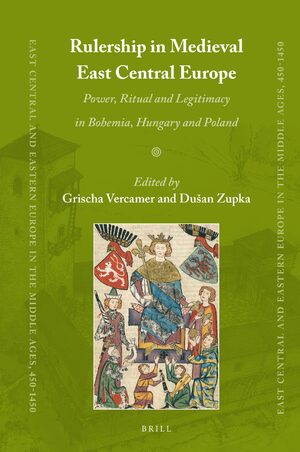
245 00|aRulership in Medieval East Central Europe :|bPower, Ritual and Legitimacy in Bohemia, Hungary and Poland /|cedited by Dušan Zupka, Grischa Vercamer.
246 3 |aPower, Ritual and Legitimacy in Bohemia, Hungary and Poland
264 1|aLeiden; |aBoston :|bBRILL,|c2022.
300 |a1 online resource.
336 |atext|btxt|2rdacontent
337 |acomputer|bc|2rdamedia
338 |aonline resource|2rdacarrier
490 1 |aEast Central and Eastern Europe in the Middle Ages, 450-1450 ;|v78
504 |aIncludes bibliographical references and index.
520 |aThis book provides the first detailed overview of research on rulership in theory and practice, with a particular emphasis on the monarchies of Bohemia, Hungary and Poland in the High and Late Middle Ages. The contributions examine the legitimation of rule of the first local dynasties, the ritual practice of power, the ruling strategies and practices of power in the established monarchies, and the manifold influences on the rulership in East Central Europe from outside the region (such as from Byzantium, and the Holy Roman Empire). The collection shows that these ideas and practices enabled the new polities to become legitimate members of Latin Christendom.
588 |aDescription based on print version record.
650 0|aSocial history|xMedieval.
700 1 |aZupka, Dušan,|eeditor.
700 1 |aVercamer, Grischa,|eeditor.
776 08|iPrint version:|tRulership in Medieval East Central Europe : Power, Ritual and Legitimacy in Bohemia, Hungary and Poland.|dLeiden ; Boston : BRILL, 2022|z9789004499805
830 0|aEast Central and Eastern Europe in the Middle Ages, 450-1450 ;|v78.
856 4 |zDOI: |uhttp://dx.doi.org/10.1163/9789004500112