

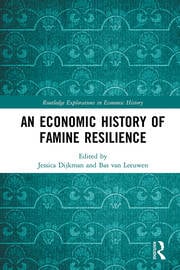
An Economic History of Famine Resilience [electronic resource].
ISBN
9780429577581
0429577583
9780429200632 (electronic bk.)
0429200633 (electronic bk.)
9780429575471 (electronic bk. : EPUB)
0429575475 (electronic bk. : EPUB)
9780429573361 (electronic bk. : Mobipocket)
0429573367 (electronic bk. : Mobipocket)
0367191288
9780367191283
0429577583
9780429200632 (electronic bk.)
0429200633 (electronic bk.)
9780429575471 (electronic bk. : EPUB)
0429575475 (electronic bk. : EPUB)
9780429573361 (electronic bk. : Mobipocket)
0429573367 (electronic bk. : Mobipocket)
0367191288
9780367191283
Dil Kodu
İngilizce
Yazar
Fiziksel Niteleme
1 online resource (291 p.).
Dizi
Routledge Explorations in Economic History Ser.
Genel Not
Description based upon print version of record.
9. Famine, relief and rhetoric of welfare in colonial North India
9. Famine, relief and rhetoric of welfare in colonial North India
İçindekiler Notu
Cover; Half Title; Series Page; Title Page; Copyright Page; Table of Contents; List of illustrations; List of contributors; Preface; 1. Resilience to famine ca. 600 BC to present: An introduction; 1. Central issue; 2. Theories and concepts; 3. Famine resilience in historical research; 4. Some general patterns; PART I: Premodern world; 2. Responses to famines in core regions of antiquity compared; 1. Introduction; 2. The nature of famines in core regions; 3. Societal resilience; 4. Concluding comparison
3. Political, social and economic determinants of responses to food crises in the early Roman empire1. Introduction; 2. Famines and food shortages in the Roman world; 3. The food supply of the city of Rome; 4. Intervention by provincial governors; 5. The role of free trade in resolving urban food crises; 6. Public institutions and private benefactors; 7. Benefactors, public grain-buyers and the grain market; 8. Conclusions; 4. Coping with famines in Ottoman Anatolia (1650-1850); 1. Introduction; 2. "There is famine everywhere
No bread to eat" -- Bread prices and chronology of famines in Anatolia (1650-1850)3. Crises in detail; 4. Flight, migration and settlement pattern changes; 5. Changes in economic activities; 6. "If you are subjects of the sultan, so are we!" -- Politics of famine resilience; 7. "What do you mean by hunger?" -- Politics of famine resilience; 8. Conclusion; 5. Inca responses to environmental hazards in the capital region and provinces; 1. Introduction; 2. Andean hazards and food supplies; 3. Inca state interventions in the Cuzco region; 4. Inca state intervention in provincial regions
5. Conclusions6. Feeding the hungry: Poor relief and famine in northwestern Europe, 1500-1700; 1. Introduction; 2. Southeastern England; 3. The northwestern Low Countries; 4. Northwestern France; 5. Conclusions; PART II: Modern world; 7. Whose famine? Regional differences in vulnerability and resilience during the 1840s potato famine in Belgium; 1. The 1840s potato famine: la misère des Flandres; 2. Methodology and sources; 3. Land use and the impact of the crop failures; 4. Land holding systems and rural income systems; 5. Village politics and local poor relief
6. Whose famine? Explaining the differential vulnerability to a food crisis8. The integration of food markets and increasing government intervention in Indonesia: 1815-1980s; 1. Introduction; 2. Food self-sufficiency and colonial cash crop production; 3. Dysfunctional rice markets and precarity (1850-1900); 4. Government intervention under the Ethical Policy (1900-1930); 5. The Depression years: Towards Indonesian rice self-sufficiency; 6. The Republic of Indonesia under Sukarno; 7. Suharto's central coordination: Bulog; 8. Conclusion
3. Political, social and economic determinants of responses to food crises in the early Roman empire1. Introduction; 2. Famines and food shortages in the Roman world; 3. The food supply of the city of Rome; 4. Intervention by provincial governors; 5. The role of free trade in resolving urban food crises; 6. Public institutions and private benefactors; 7. Benefactors, public grain-buyers and the grain market; 8. Conclusions; 4. Coping with famines in Ottoman Anatolia (1650-1850); 1. Introduction; 2. "There is famine everywhere
No bread to eat" -- Bread prices and chronology of famines in Anatolia (1650-1850)3. Crises in detail; 4. Flight, migration and settlement pattern changes; 5. Changes in economic activities; 6. "If you are subjects of the sultan, so are we!" -- Politics of famine resilience; 7. "What do you mean by hunger?" -- Politics of famine resilience; 8. Conclusion; 5. Inca responses to environmental hazards in the capital region and provinces; 1. Introduction; 2. Andean hazards and food supplies; 3. Inca state interventions in the Cuzco region; 4. Inca state intervention in provincial regions
5. Conclusions6. Feeding the hungry: Poor relief and famine in northwestern Europe, 1500-1700; 1. Introduction; 2. Southeastern England; 3. The northwestern Low Countries; 4. Northwestern France; 5. Conclusions; PART II: Modern world; 7. Whose famine? Regional differences in vulnerability and resilience during the 1840s potato famine in Belgium; 1. The 1840s potato famine: la misère des Flandres; 2. Methodology and sources; 3. Land use and the impact of the crop failures; 4. Land holding systems and rural income systems; 5. Village politics and local poor relief
6. Whose famine? Explaining the differential vulnerability to a food crisis8. The integration of food markets and increasing government intervention in Indonesia: 1815-1980s; 1. Introduction; 2. Food self-sufficiency and colonial cash crop production; 3. Dysfunctional rice markets and precarity (1850-1900); 4. Government intervention under the Ethical Policy (1900-1930); 5. The Depression years: Towards Indonesian rice self-sufficiency; 6. The Republic of Indonesia under Sukarno; 7. Suharto's central coordination: Bulog; 8. Conclusion
Özet, vb.
Food crises have always tested societies. This volume discusses societal resilience to food crises, examining the responses and strategies at the societal level that effectively helped individuals and groups to cope with drops in food supply, in various parts of the world over the past two millennia. Societal responses can be coordinated by the state, the market, or civil society. Here it is shown that it was often a combined effort, but that there were significant variations between regions and periods. The long-term, comparative perspective of the volume brings out these variations, explains them, and discusses their effects on societal resilience. This book will be of interest to advanced students and researchers across economic history, institutional economics, social history and development studies.
Konu
Famines __ Economic aspects.
BUSINESS & ECONOMICS / General __ bisacsh
BUSINESS & ECONOMICS / Economic History __ bisacsh
BUSINESS & ECONOMICS / Economics / General __ bisacsh
BUSINESS & ECONOMICS / General __ bisacsh
BUSINESS & ECONOMICS / Economic History __ bisacsh
BUSINESS & ECONOMICS / Economics / General __ bisacsh
Diğer Yazarlar
Veritabanı
Eseri Alıntıla
Referansları kullanmadan önce gözden geçirmeniz ve varsa gerekli düzeltmeleri yapmanız önerilir.
Dijital Kaynak
MARC Görünümü
LEADER 05558cam a2200577Mu 4500
001 791867
003 TR_AnAIT
005 20260122235150
006 m d
007 cr cnu---unuuu
008 190921s2019 xx o 000 0 eng d
020 |a9780429577581
020 |a0429577583
020 |a9780429200632|q(electronic bk.)
020 |a0429200633|q(electronic bk.)
020 |a9780429575471|q(electronic bk. : EPUB)
020 |a0429575475|q(electronic bk. : EPUB)
020 |a9780429573361|q(electronic bk. : Mobipocket)
020 |a0429573367|q(electronic bk. : Mobipocket)
020 |z0367191288
020 |z9780367191283
035 |a(OCoLC)1120696993|z(OCoLC)1120693908
035 |a(OCoLC-P)1120696993
040 |aOCoLC-P|beng|cOCoLC-P
041 |aeng
049 |aTürk Tarih Kurumu Kütüphanesi
050 4|aHC79.F3
072 7|aBUS|x000000|2bisacsh
072 7|aBUS|x023000|2bisacsh
072 7|aBUS|x069000|2bisacsh
072 7|aKCM|2bicssc
082 04|a363.8|223
100 1 |aDijkman, Jessica.
245 13|aAn Economic History of Famine Resilience|h[electronic resource].
260 |aMilton :|bRoutledge,|c2019.
300 |a1 online resource (291 p.).
490 1 |aRoutledge Explorations in Economic History Ser.
500 |aDescription based upon print version of record.
500 |a9. Famine, relief and rhetoric of welfare in colonial North India
505 0 |aCover; Half Title; Series Page; Title Page; Copyright Page; Table of Contents; List of illustrations; List of contributors; Preface; 1. Resilience to famine ca. 600 BC to present: An introduction; 1. Central issue; 2. Theories and concepts; 3. Famine resilience in historical research; 4. Some general patterns; PART I: Premodern world; 2. Responses to famines in core regions of antiquity compared; 1. Introduction; 2. The nature of famines in core regions; 3. Societal resilience; 4. Concluding comparison
505 8 |a3. Political, social and economic determinants of responses to food crises in the early Roman empire1. Introduction; 2. Famines and food shortages in the Roman world; 3. The food supply of the city of Rome; 4. Intervention by provincial governors; 5. The role of free trade in resolving urban food crises; 6. Public institutions and private benefactors; 7. Benefactors, public grain-buyers and the grain market; 8. Conclusions; 4. Coping with famines in Ottoman Anatolia (1650-1850); 1. Introduction; 2. "There is famine everywhere
505 8 |aNo bread to eat" -- Bread prices and chronology of famines in Anatolia (1650-1850)3. Crises in detail; 4. Flight, migration and settlement pattern changes; 5. Changes in economic activities; 6. "If you are subjects of the sultan, so are we!" -- Politics of famine resilience; 7. "What do you mean by hunger?" -- Politics of famine resilience; 8. Conclusion; 5. Inca responses to environmental hazards in the capital region and provinces; 1. Introduction; 2. Andean hazards and food supplies; 3. Inca state interventions in the Cuzco region; 4. Inca state intervention in provincial regions
505 8 |a5. Conclusions6. Feeding the hungry: Poor relief and famine in northwestern Europe, 1500-1700; 1. Introduction; 2. Southeastern England; 3. The northwestern Low Countries; 4. Northwestern France; 5. Conclusions; PART II: Modern world; 7. Whose famine? Regional differences in vulnerability and resilience during the 1840s potato famine in Belgium; 1. The 1840s potato famine: la misère des Flandres; 2. Methodology and sources; 3. Land use and the impact of the crop failures; 4. Land holding systems and rural income systems; 5. Village politics and local poor relief
505 8 |a6. Whose famine? Explaining the differential vulnerability to a food crisis8. The integration of food markets and increasing government intervention in Indonesia: 1815-1980s; 1. Introduction; 2. Food self-sufficiency and colonial cash crop production; 3. Dysfunctional rice markets and precarity (1850-1900); 4. Government intervention under the Ethical Policy (1900-1930); 5. The Depression years: Towards Indonesian rice self-sufficiency; 6. The Republic of Indonesia under Sukarno; 7. Suharto's central coordination: Bulog; 8. Conclusion
520 |aFood crises have always tested societies. This volume discusses societal resilience to food crises, examining the responses and strategies at the societal level that effectively helped individuals and groups to cope with drops in food supply, in various parts of the world over the past two millennia. Societal responses can be coordinated by the state, the market, or civil society. Here it is shown that it was often a combined effort, but that there were significant variations between regions and periods. The long-term, comparative perspective of the volume brings out these variations, explains them, and discusses their effects on societal resilience. This book will be of interest to advanced students and researchers across economic history, institutional economics, social history and development studies.
588 |aOCLC-licensed vendor bibliographic record.
650 0|aFamines|xEconomic aspects.
650 7|aBUSINESS & ECONOMICS / General|2bisacsh
650 7|aBUSINESS & ECONOMICS / Economic History|2bisacsh
650 7|aBUSINESS & ECONOMICS / Economics / General|2bisacsh
700 1 |aLeeuwen, Bas van,|d1978-
856 40|3Taylor & Francis|uhttps://www.taylorfrancis.com/books/9780429200632
856 42|3OCLC metadata license agreement|uhttp://www.oclc.org/content/dam/oclc/forms/terms/vbrl-201703.pdf
901 |aTaylor & Francis
001 791867
003 TR_AnAIT
005 20260122235150
006 m d
007 cr cnu---unuuu
008 190921s2019 xx o 000 0 eng d
020 |a9780429577581
020 |a0429577583
020 |a9780429200632|q(electronic bk.)
020 |a0429200633|q(electronic bk.)
020 |a9780429575471|q(electronic bk. : EPUB)
020 |a0429575475|q(electronic bk. : EPUB)
020 |a9780429573361|q(electronic bk. : Mobipocket)
020 |a0429573367|q(electronic bk. : Mobipocket)
020 |z0367191288
020 |z9780367191283
035 |a(OCoLC)1120696993|z(OCoLC)1120693908
035 |a(OCoLC-P)1120696993
040 |aOCoLC-P|beng|cOCoLC-P
041 |aeng
049 |aTürk Tarih Kurumu Kütüphanesi
050 4|aHC79.F3
072 7|aBUS|x000000|2bisacsh
072 7|aBUS|x023000|2bisacsh
072 7|aBUS|x069000|2bisacsh
072 7|aKCM|2bicssc
082 04|a363.8|223
100 1 |aDijkman, Jessica.
245 13|aAn Economic History of Famine Resilience|h[electronic resource].
260 |aMilton :|bRoutledge,|c2019.
300 |a1 online resource (291 p.).
490 1 |aRoutledge Explorations in Economic History Ser.
500 |aDescription based upon print version of record.
500 |a9. Famine, relief and rhetoric of welfare in colonial North India
505 0 |aCover; Half Title; Series Page; Title Page; Copyright Page; Table of Contents; List of illustrations; List of contributors; Preface; 1. Resilience to famine ca. 600 BC to present: An introduction; 1. Central issue; 2. Theories and concepts; 3. Famine resilience in historical research; 4. Some general patterns; PART I: Premodern world; 2. Responses to famines in core regions of antiquity compared; 1. Introduction; 2. The nature of famines in core regions; 3. Societal resilience; 4. Concluding comparison
505 8 |a3. Political, social and economic determinants of responses to food crises in the early Roman empire1. Introduction; 2. Famines and food shortages in the Roman world; 3. The food supply of the city of Rome; 4. Intervention by provincial governors; 5. The role of free trade in resolving urban food crises; 6. Public institutions and private benefactors; 7. Benefactors, public grain-buyers and the grain market; 8. Conclusions; 4. Coping with famines in Ottoman Anatolia (1650-1850); 1. Introduction; 2. "There is famine everywhere
505 8 |aNo bread to eat" -- Bread prices and chronology of famines in Anatolia (1650-1850)3. Crises in detail; 4. Flight, migration and settlement pattern changes; 5. Changes in economic activities; 6. "If you are subjects of the sultan, so are we!" -- Politics of famine resilience; 7. "What do you mean by hunger?" -- Politics of famine resilience; 8. Conclusion; 5. Inca responses to environmental hazards in the capital region and provinces; 1. Introduction; 2. Andean hazards and food supplies; 3. Inca state interventions in the Cuzco region; 4. Inca state intervention in provincial regions
505 8 |a5. Conclusions6. Feeding the hungry: Poor relief and famine in northwestern Europe, 1500-1700; 1. Introduction; 2. Southeastern England; 3. The northwestern Low Countries; 4. Northwestern France; 5. Conclusions; PART II: Modern world; 7. Whose famine? Regional differences in vulnerability and resilience during the 1840s potato famine in Belgium; 1. The 1840s potato famine: la misère des Flandres; 2. Methodology and sources; 3. Land use and the impact of the crop failures; 4. Land holding systems and rural income systems; 5. Village politics and local poor relief
505 8 |a6. Whose famine? Explaining the differential vulnerability to a food crisis8. The integration of food markets and increasing government intervention in Indonesia: 1815-1980s; 1. Introduction; 2. Food self-sufficiency and colonial cash crop production; 3. Dysfunctional rice markets and precarity (1850-1900); 4. Government intervention under the Ethical Policy (1900-1930); 5. The Depression years: Towards Indonesian rice self-sufficiency; 6. The Republic of Indonesia under Sukarno; 7. Suharto's central coordination: Bulog; 8. Conclusion
520 |aFood crises have always tested societies. This volume discusses societal resilience to food crises, examining the responses and strategies at the societal level that effectively helped individuals and groups to cope with drops in food supply, in various parts of the world over the past two millennia. Societal responses can be coordinated by the state, the market, or civil society. Here it is shown that it was often a combined effort, but that there were significant variations between regions and periods. The long-term, comparative perspective of the volume brings out these variations, explains them, and discusses their effects on societal resilience. This book will be of interest to advanced students and researchers across economic history, institutional economics, social history and development studies.
588 |aOCLC-licensed vendor bibliographic record.
650 0|aFamines|xEconomic aspects.
650 7|aBUSINESS & ECONOMICS / General|2bisacsh
650 7|aBUSINESS & ECONOMICS / Economic History|2bisacsh
650 7|aBUSINESS & ECONOMICS / Economics / General|2bisacsh
700 1 |aLeeuwen, Bas van,|d1978-
856 40|3Taylor & Francis|uhttps://www.taylorfrancis.com/books/9780429200632
856 42|3OCLC metadata license agreement|uhttp://www.oclc.org/content/dam/oclc/forms/terms/vbrl-201703.pdf
901 |aTaylor & Francis
Materyaller
Depodan talep edilen materyal sadece kütüphane içerisinde kullanılmaktadır.
Materyal dışarıya ödünç verilmemektedir.
Materyal dışarıya ödünç verilmemektedir.
